




From Functional to Fashionable
For decades, fibre had a reputation problem. It was deeply unsexy, associated almost exclusively with digestive health and the later stages of life. The messaging was simple and clinical: eat fibre to stay regular. Products like Metamucil and boxes of bran
cereal dominated the category, their packaging more medicinal than motivational. It was something you *had* to eat, not something you *wanted* to. In the wellness landscape, it was the sensible, boring station wagon parked next to the flashy sports cars of low-carb diets, juice cleanses, and exotic superfoods.
The Gut Microbiome Revolution
So, what changed? In a word: science. The recent explosion of research into the gut microbiome—the trillions of bacteria living in our digestive tract—has completely reframed our understanding of health. We now know these microbes influence everything from our immune system and skin clarity to our mental health and metabolism. And what do these beneficial bacteria love to eat? Fibre. Specifically, prebiotic fibre. This repositioned fibre from a simple bulking agent to a vital fuel source for our internal ecosystem. Suddenly, fibre wasn't just about bathroom habits; it was about cultivating a thriving internal garden that supports whole-body health. This single scientific insight gave the wellness industry a powerful new story to tell.
Spotted on Shelves (and Feeds)
This new narrative has unlocked a wave of innovation and marketing. Walk down the aisle of any health-conscious grocery store and you’ll see the evidence. Chicly canned “prebiotic” sodas promise gut health without the sugar. Snack bars and cereals proudly advertise their high-fibre content, often using terms like “microbiome-friendly.” Even pasta and bread are being reformulated with added fibre from sources like chicory root or oats. Influencers post about their “fibre-rich” smoothies, and premium supplements now sell specialized fibre blends designed to target specific health goals. The language has shifted from “regularity” to “vitality,” “balance,” and “gut glow,” turning a dietary staple into a covetable wellness accessory.
Not All Fibre Is Created Equal
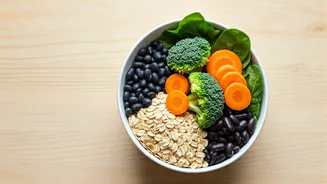
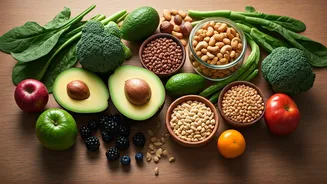
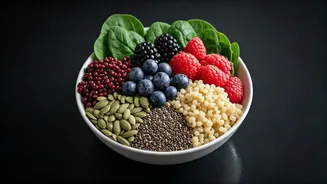
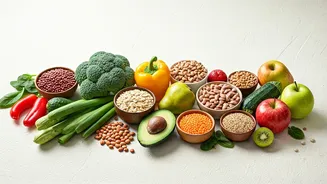
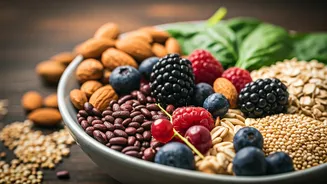
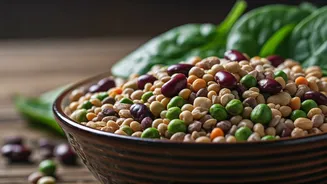
With the hype comes a need for clarity. Not all fibre performs the same function. In simple terms, there are two main types. Insoluble fibre (the “roughage” in vegetable stalks and whole grains) adds bulk and helps move things along, which is the benefit we’ve always known. Soluble fibre (found in oats, apples, beans, and nuts) dissolves into a gel-like substance, helping to lower cholesterol and stabilize blood sugar. Many of the newer, trendy products focus on adding specific types of soluble, prebiotic fibre. While these can be beneficial, experts agree that the best approach is to get a wide variety of fibre from its original source: whole foods. A diet rich in fruits, vegetables, legumes, and whole grains provides a diverse mix of fibres that processed foods and supplements often can't replicate.