


The Case for Going Vertical
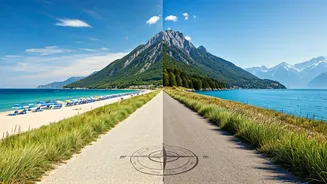
When the mercury rises, our instincts tell us to find water. For most Americans, that means a coastline, a lake, or a pool. But this annual migration creates a predictable pattern of congestion and expense. The truly savvy summer traveler bypasses the horizontal
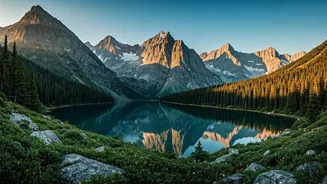
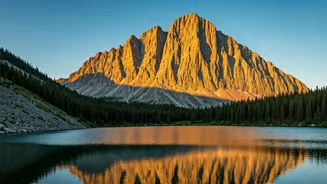
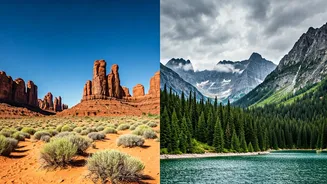
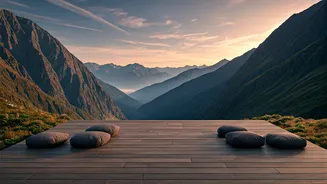
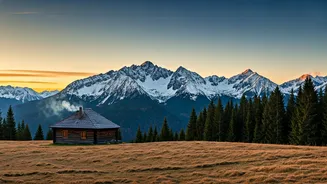
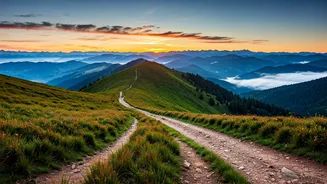
scramble and goes vertical. Hill and mountain towns across U.S. offer a compelling alternative that isn’t just about trading an ocean view for a summit—it’s about fundamentally upgrading your summer break. It’s an escape from the heat, the crowds, and the tired rhythm of a typical getaway. Instead of fighting for a dinner reservation, you might be watching the sunset from a quiet trail. Instead of waking up to sticky humidity, you get crisp, cool mountain air. It’s a strategic retreat for those who value peace and active relaxation over the performance of a packed resort.
The Obvious Perk: Natural Air Conditioning
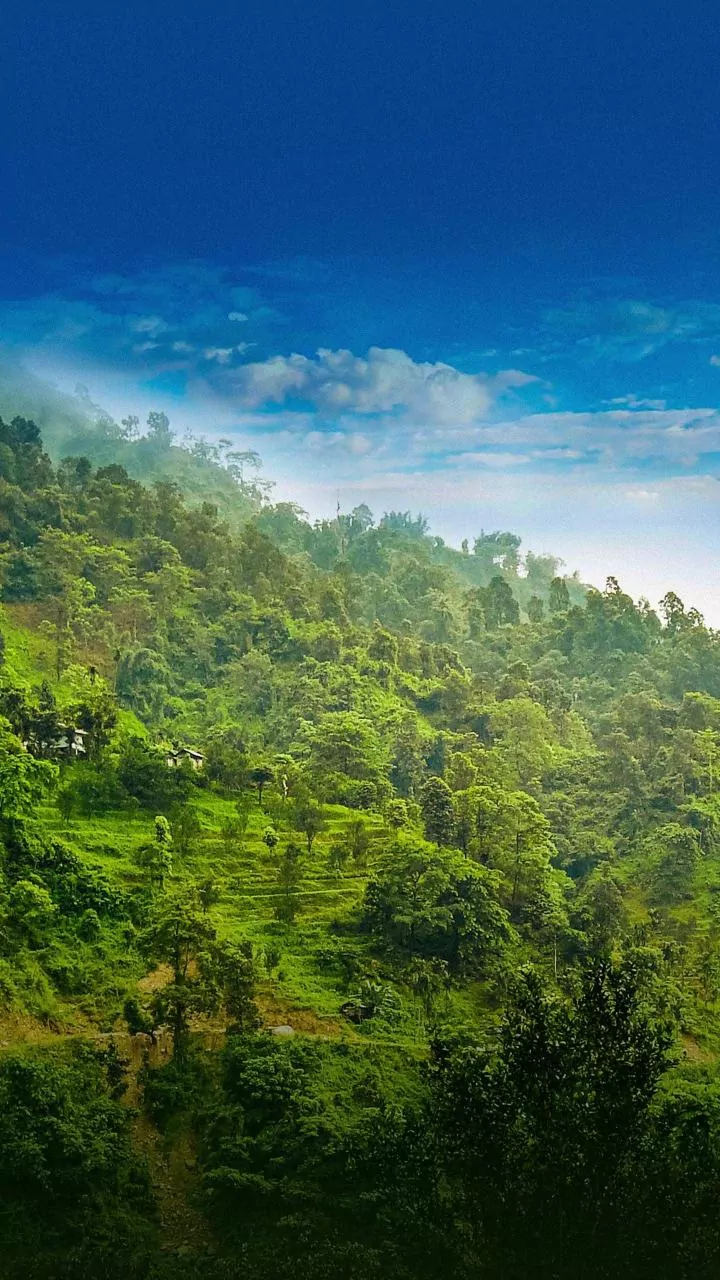
The most immediate and undeniable benefit of a hill escape is the climate. For every 1,000 feet you climb in elevation, the temperature drops roughly 3.5°F. That’s a law of physics working in your favor. While coastal cities are stewing in 90-degree heat with suffocating humidity, towns nestled in the Appalachians, Rockies, or Sierras are often enjoying pleasant 70s during the day and refreshingly cool nights that require a light jacket. This isn't just about comfort; it transforms what you can do. Midday hikes, outdoor dining, and simply walking around town become genuinely enjoyable activities rather than endurance tests. You can sleep with the windows open, listen to the breeze in the pines, and feel invigorated by the air instead of drained by it. This natural climate control is the ultimate summer luxury, and it comes standard with every mountain getaway.
The Crowd Control Factor
America’s premier beach towns operate on a simple summer formula: maximum capacity, maximum prices. Finding solitude can feel impossible. Hill towns, while popular, tend to attract a different rhythm of tourism. The very geography of a mountain landscape disperses people. Instead of everyone cramming onto a single stretch of sand, visitors are spread out across hiking trails, scenic drives, and sprawling national forests. While a town like Asheville, North Carolina, or Park City, Utah, can be lively, the option to find quiet is always just a short drive or walk away. You’re trading the dense, pulsating energy of a boardwalk for the expansive quiet of a scenic overlook. This makes for a more restorative experience, where your time feels like your own, not like you're just another ticket-holder in a summer theme park.
A Different (and Better) Pace of Play
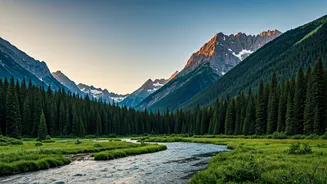
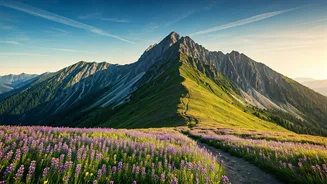
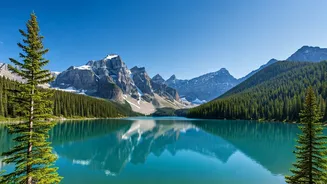
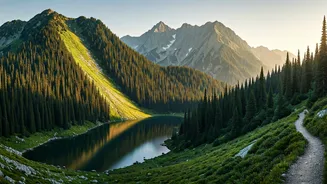
A beach vacation often involves a lot of… sitting. You sit on the sand, you sit by the pool, you sit at the bar. A hill escape is inherently more active, but on your own terms. The 'entertainment' is built into the landscape. Days are structured around exploring—a morning hike to a waterfall, an afternoon kayaking on an alpine lake, or an evening stroll through a historic downtown. It encourages a healthier, more engaging form of leisure. Even the downtime feels different. Reading a book on a cabin porch overlooking a valley provides a deeper sense of peace than doing so on a crowded beach. It’s a shift from passive consumption to active participation, replacing screen time and sun-baking with fresh air and discovery.
The Quiet Value Proposition
While premier mountain destinations aren't necessarily cheap, they often provide better value than their coastal counterparts in peak season. The desperation pricing of a hotel with 'ocean views' in July has few mountain equivalents. Accommodations often come in more varied and interesting forms, from rustic cabins to charming inns, which can offer more space and character for your dollar. Furthermore, many of the best activities—hiking, sightseeing, finding a perfect picnic spot—are free. You’re not paying for access at every turn. By opting out of the peak beach market, you’re stepping into a travel economy that is often more stable, reasonable, and focused on the experience itself rather than the premium attached to a specific square mile of coastline.