






From Paper to Personality
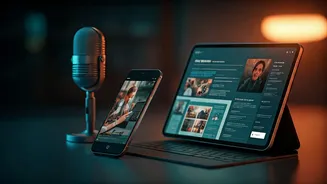
So, what exactly is a 'Reel resume'? It’s not a line-by-line reading of a candidate’s work history. Instead, think of it as a movie trailer for a potential employee. In 30 to 90 seconds, these videos on platforms like TikTok and Instagram Reels aim to convey
what a static PDF cannot: personality, communication skills, creativity, and genuine enthusiasm. A graphic designer might use a Reel to quickly showcase their portfolio with a trending audio track. A marketing hopeful could create a short, witty video pitching themselves directly to their dream company. The goal isn't to replace the resume entirely, but to act as a powerful, attention-grabbing introduction that gets a foot in the door.
The Backlash Against 'Apply Now'
This trend isn't just about Gen Z's comfort with being on camera. It’s a direct response to the frustrating and often demoralizing experience of modern online job applications. Many young professionals feel like they are sending their meticulously crafted resumes into a digital 'black hole'—an impersonal applicant tracking system (ATS) that scans for keywords and rarely provides feedback. The video resume is a strategic maneuver to bypass that system. It's an attempt to re-humanize the hiring process, allowing candidates to present their authentic selves and connect with a company's culture on a platform where the brand is already active. It shifts the power dynamic from passively waiting for a reply to proactively making an impression.
Does It Actually Work?
The short answer is: sometimes, and for the right roles. A viral TikTok resume is not a golden ticket for an accounting position at a conservative firm. However, for creative, social media, marketing, and communication-focused industries, it can be a game-changer. Companies are starting to pay attention. Some have even encouraged video applications through dedicated hashtags. A well-executed Reel demonstrates not only a candidate’s stated skills but also their understanding of current digital trends—a valuable asset in itself. Success stories often involve a candidate's video being seen by a hiring manager or recruiter who was impressed by the initiative and creativity, leading to an interview that might not have happened through traditional channels. The key is that the medium matches the message and the role.
What Hiring Managers Think
For employers, the rise of the video resume is both a blessing and a curse. On the one hand, it offers a much richer, more holistic view of a candidate early in the process. Recruiters can quickly gauge soft skills like confidence, articulation, and cultural fit in a way a resume never could. On the other hand, it presents logistical and ethical challenges. Reviewing hundreds of videos is far more time-consuming than scanning resumes. More importantly, it opens the door to potential implicit bias based on a candidate's appearance, accent, or background. Unlike a standardized resume, videos are difficult to compare systematically, which complicates fair evaluation and could create legal risks for companies trying to maintain equitable hiring practices.