


The 'Miracle Tree' Explained
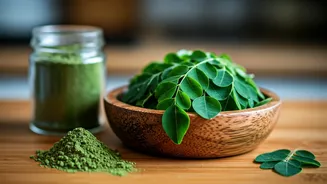
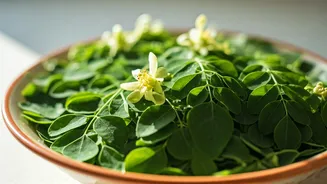
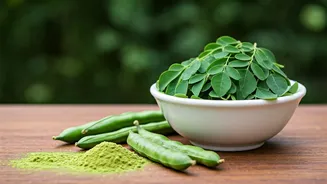
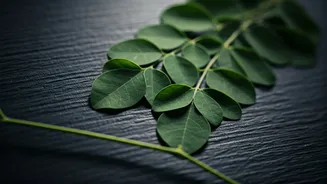
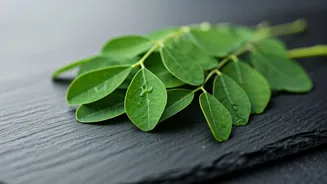
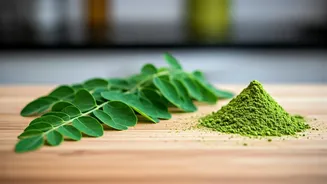
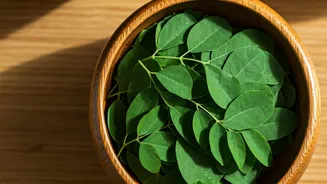
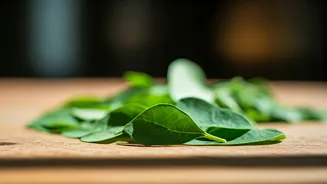
If you've seen a vibrant, emerald-green powder popping up in smoothie shops and health food aisles, you've likely met moringa. Derived from the leaves of the *Moringa oleifera* tree, native to parts of India and Africa, this plant has been used for centuries
in traditional medicine and as a food source. Often called the 'drumstick tree' for its long seed pods or the 'miracle tree' for its resilience and purported benefits, moringa is now gaining mainstream attention in the U.S. as a highly versatile and nutrient-dense supplement. Unlike many wellness trends that require complex recipes or expensive equipment, moringa’s appeal lies in its simplicity. The leaves are typically dried and ground into a fine powder, preserving their nutritional content and making them incredibly easy to incorporate into a daily routine.
A Nutritional Powerhouse
So, what makes moringa 'smart'? The answer is its impressive nutritional profile. Gram for gram, moringa leaves are packed with vitamins and minerals. While specific amounts can vary based on processing and growing conditions, it’s generally considered an excellent source of vitamin C, iron, vitamin A, calcium, and potassium. It also contains all nine essential amino acids, making it a complete plant protein—a rarity in the plant kingdom. Furthermore, moringa is rich in antioxidants, which are compounds that help fight oxidative stress in the body. While the wellness world is full of overblown promises, the science on moringa points to it being a genuinely nutrient-dense food. Think of it less as a miracle cure and more as a powerful multivitamin straight from a plant, offering a broad spectrum of nutrients that support overall well-being.
Easy Ways to Add It to Your Day
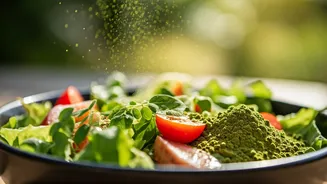
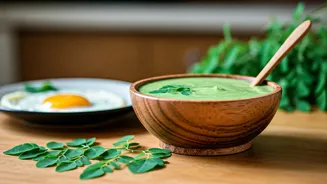
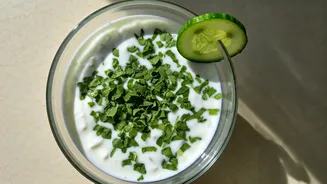
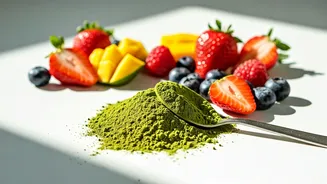
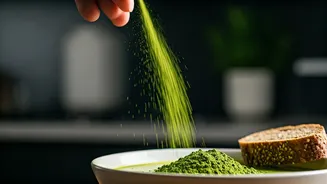
This is where moringa truly shines. You don’t need to learn new recipes to use it. Instead, you can 'smarten up' the meals you already make. Start with about half to one teaspoon of the powder, as a little goes a long way. **Blend it:** The most popular method is to add a spoonful to your morning smoothie. Its earthy flavor, often compared to matcha or spinach, pairs well with fruits like banana, pineapple, and mango, which help balance its taste. **Stir it:** Mix it into yogurts, oatmeal, or overnight oats for a simple morning boost. It also dissolves well in sauces, soups, and stews, adding a nutritional kick without dramatically changing the flavor profile. **Sprinkle it:** Use it as a finishing touch on savory dishes. Sprinkle moringa over scrambled eggs, roasted vegetables, avocado toast, or even popcorn. You can also whisk it into salad dressings, like a simple lemon-tahini or vinaigrette, to turn your salad into a superfood. **Whisk it:** For a coffee alternative, try a moringa latte. Just whisk the powder with hot water and top with your favorite frothed milk and a touch of honey or maple syrup.
Flavor, Tips, and What to Buy
Moringa has a distinct earthy, slightly bitter taste, similar to green tea. For this reason, it's best to start with a small amount and see how you like it before adding more. Pairing it with sweet or creamy ingredients can help mellow its flavor. When shopping for moringa, quality matters. Look for powder that is 100% pure moringa leaf, certified organic, and non-GMO. A vibrant green color is a good indicator of freshness and quality; avoid powders that look brownish or dull. Because it’s a potent ingredient, it’s wise to start slow. If you are pregnant, breastfeeding, or taking medications—particularly for blood pressure or diabetes—it’s always a good idea to consult with your doctor before adding a new supplement like moringa to your regimen. Most people tolerate it well, but it’s better to be safe.