





A Sea of Sacred Flowers
Step into almost any Hindu temple in India, and your senses are immediately engaged. The air is thick with the scent of incense, bells chime with rhythmic grace, and everywhere you look, there are flowers. Marigolds, roses, jasmine, and lotuses are offered
to deities by the thousands of devotees who pass through daily. These floral offerings, or 'pushpanjali,' are a fundamental expression of reverence and devotion, a tangible prayer presented in its most beautiful natural form. The vibrant colors and sweet fragrances are meant to please the gods and sanctify the space. This river of blossoms is a constant, powerful symbol of faith, with an estimated 8 million metric tons of temple flowers offered across India each year.
The Blessing Becomes a Burden
But a profound challenge lies on the other side of this devotion. What happens to these sacred flowers once they are swept away from the altars? Traditionally, because of their holy status, these flowers cannot simply be thrown in the trash. The most common practice has been to dispose of them in nearby rivers or water bodies, such as the Ganges. While seemingly a respectful return to nature, the modern reality is an environmental crisis. The sheer volume of flowers, often treated with chemical pesticides and fertilizers, chokes waterways, depletes oxygen levels, and harms aquatic life. The sacred act, multiplied by millions, inadvertently creates pollution, turning a symbol of purity into a source of contamination.
The Rangoli Renaissance
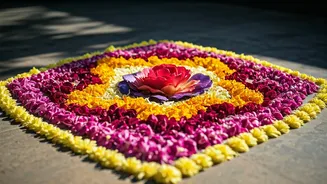
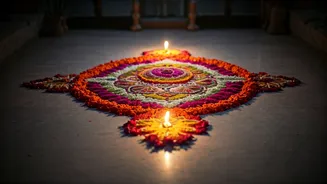
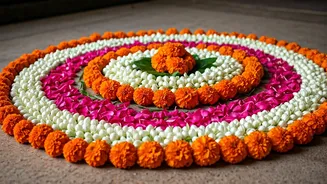
This is where a new wave of eco-conscious young people is stepping in, armed with creativity and a deep respect for their heritage. They are collecting these discarded temple flowers and giving them a second life as stunning works of art. The petals—vibrant yellows, deep reds, and brilliant whites—are separated and used to create rangolis, a traditional Indian art form. Rangolis are intricate, colorful patterns made on the ground, typically during festivals like Diwali, to welcome good fortune and guests. Instead of using colored powders or rice, these innovators are using the still-beautiful flower petals. The result is a gorgeous, organic mosaic that is both an artistic expression and a powerful environmental statement. It’s a solution that is as beautiful as it is clever, transforming waste into wonder right at the temple doorstep.
More Than Just Art
This practice is more than just a clever recycling project; it's a re-imagining of the relationship between faith, tradition, and environmental responsibility. By turning temple waste into rangolis, these young people are not discarding tradition but enriching it. They are demonstrating that ecological awareness can be seamlessly integrated into cultural and religious life. This movement, often organized through local community groups and social media initiatives, shows a generation that is unwilling to accept that devotion must come at an environmental cost. They are asking a simple but profound question: What if the entire life cycle of a sacred offering could be holy? This creative act provides a compelling answer, proving that ancient customs and modern values don't have to be in conflict. Instead, they can combine to create something new, meaningful, and utterly breathtaking.