







From the Hutch to the House
For decades, the American image of a pet rabbit was a fluffy creature nibbling a carrot in a small cage in the backyard or a child’s bedroom. They were seen as low-maintenance, short-term pets, often an Easter novelty that would quietly disappear after
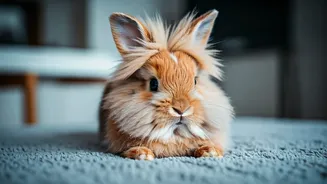
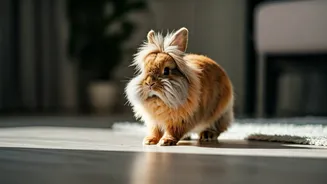
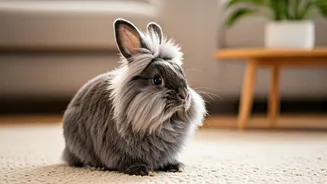
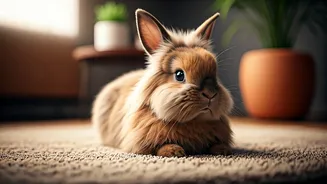
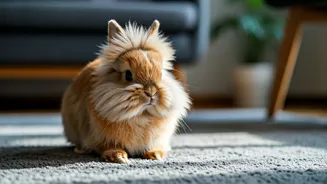
a few years. But a significant cultural shift is underway. Propelled by advocacy from groups like the House Rabbit Society, a new understanding of rabbits as complex, intelligent, and deeply social animals has taken root. The modern house rabbit is a litter-box trained, free-roaming member of the family. These bunnies don't live in cages; they have “home bases” but are otherwise free to explore, play, and interact with their human families on their own terms. This movement reframes the rabbit not as a possession, but as a companion deserving of a rich indoor life and a level of care once reserved exclusively for canines and felines.
The Rise of the 'Bun-fluencer'
You can’t talk about a modern pet trend without talking about social media. Instagram and TikTok are flooded with accounts dedicated to the delightful antics of house rabbits. We see them “binkying” (a unique hop-twist that signals pure joy), flopping over in contentment, and interacting with their humans in surprisingly expressive ways. These “bun-fluencers” have done wonders for rabbit PR, showcasing their personalities and dismantling the myth that they are boring or passive pets. They’re shown cuddling with owners, solving puzzle toys, and developing distinct personalities. This digital exposure has made a new generation of potential owners fall in love with the idea of a rabbit companion. The visual appeal is undeniable, but it has a double edge, sometimes inspiring impulse adoptions without a full understanding of the commitment involved.
Not Your Average Low-Maintenance Pet
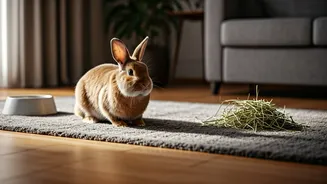
Here’s the reality check that every viral bunny video should come with: rabbits are not easy pets. In fact, their needs are highly specific and often more demanding than a cat’s. For starters, their diet is not carrots and pellets. The vast majority of a rabbit's food intake—around 80%—must be fresh timothy hay to keep their ever-growing teeth and delicate digestive systems functioning. They also require specialized veterinary care from an “exotic” vet, which is more expensive and harder to find than a standard cat-and-dog veterinarian. Furthermore, rabbits are natural chewers. To live harmoniously with a free-roaming bunny means “bunny-proofing” your home by covering all electrical cords, moving houseplants, and accepting that the legs of your antique wooden chair might get a little nibble. They need space, enrichment, and a level of daily attention that surprises many new owners.
Earning a Different Kind of Love
What devoted rabbit owners will tell you is that the effort is worth it for the unique bond they share. Unlike a dog, a rabbit’s affection is not given freely or boisterously. As prey animals, their trust must be earned over time with patience and respect for their boundaries. A rabbit owner learns to read subtle cues: a nudge with the nose is a request for pets, a gentle tooth-grind is a sign of contentment (the bunny equivalent of a purr), and a relaxed flop on the floor beside you is the ultimate sign of trust. This quiet, earned affection creates a profound connection. It’s a relationship built on understanding and mutual respect, and for many, it’s a deeply rewarding alternative to the more overt companionship offered by dogs. They teach their humans to be calm, observant, and patient—qualities that are valuable in any relationship, human or otherwise.