



Meet the New Breakfast Club
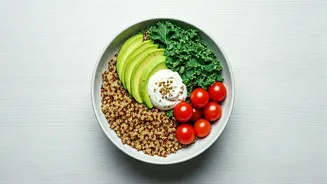
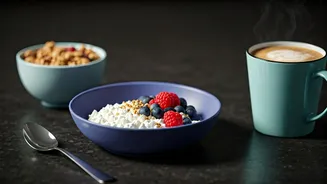
If you’re scrolling through social media first thing in the morning, you’ve likely seen it: vibrant, artfully arranged bowls of cottage cheese piled high with fruit and nuts; frothy, creamy coffee that promises a protein punch; or single-serving ramekins
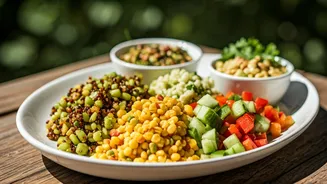
of baked oatmeal that look more like dessert than a meal. This isn’t one specific food, but a category of breakfast engineered for a new generation. The common threads are simple: high protein, minimal effort, and undeniable visual appeal. Forget the long sizzle of bacon or the careful watch over a stovetop. Gen Z’s morning fix is about assembly, not complex cooking. It’s the era of “proffee” (protein powder mixed into coffee), savory cottage cheese bowls that have single-handedly revived a dairy-aisle classic, and blended baked oats that offer a cake-like texture with the nutritional profile of a health food. These meals are designed to be put together in minutes, providing maximum fuel with minimum friction.
Fueled by Function, Not Just Flavor
So, why the sudden shift away from carbs and sugar? The driving force is a deep-seated wellness mindset that prioritizes function. For a generation raised on a constant stream of health information, food is seen as fuel. The goal of breakfast is no longer just to stave off hunger until lunch, but to optimize the morning. Protein is the star player because it offers satiety—that feeling of fullness that prevents a mid-morning energy crash. It also helps stabilize blood sugar, avoiding the spike and subsequent slump that comes from a bowl of frosted flakes or a sugary pastry. This focus on metabolic health and muscle maintenance reflects Gen Z’s broader interest in fitness and proactive wellness. They aren't just eating; they're bio-hacking their mornings, using simple ingredients to build a foundation for a more productive and energetic day. It's a pragmatic response to the demands of a fast-paced life, where every choice is an opportunity for self-improvement.
Designed for the Algorithm
You can’t separate a Gen Z trend from the platform that powers it: social media. These breakfasts aren't just easy to make; they’re incredibly easy to share. A colorful cottage cheese bowl is a visual feast, perfectly framed for an Instagram post. The process of whipping up baked oats or frothing a proffee is ideal content for a short, snappy TikTok video. It's a symbiotic relationship. The food’s aesthetic appeal drives its viral spread, while the algorithm introduces millions to new, simple recipes. This creates a powerful feedback loop where trends are born and normalized overnight. Unlike the avocado toast of millennials, which often became a symbol of restaurant brunch culture, this new wave of breakfast is largely a domestic affair. It’s about what you can create in your own kitchen with a few basic ingredients, a blender, and maybe a ring light. Influencers demonstrate how to do it, followers replicate it, and a digital community forms around a shared meal.
A Fad or the Future of Breakfast?
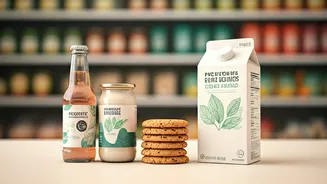
Every generation has its food fads, but this one feels different. While specific ingredients like cottage cheese might ebb and flow in popularity, the underlying principles are likely here to stay. The demand for convenient, affordable, and health-conscious food is not a passing phase; it’s a reflection of modern economic and social realities. Gen Z is entering a workforce with high demands on their time and wallets. A breakfast that can be made for a few dollars in under five minutes and keeps you full for hours isn't a trend; it's a practical life hack. It represents a fundamental shift in how we view the first meal of the day—less as a ritual and more as a strategic decision. As this generation’s habits become mainstream, we can expect to see the food industry continue to adapt, with more products geared toward quick, protein-rich, and functional eating.