


First, What Are the Ghats?
Think of the Western Ghats as the verdant spine of Southern India. This UNESCO World Heritage site is a mountain range older than the Himalayas, stretching over 1,000 miles parallel to the western coast. While they may not have the staggering, snow-capped
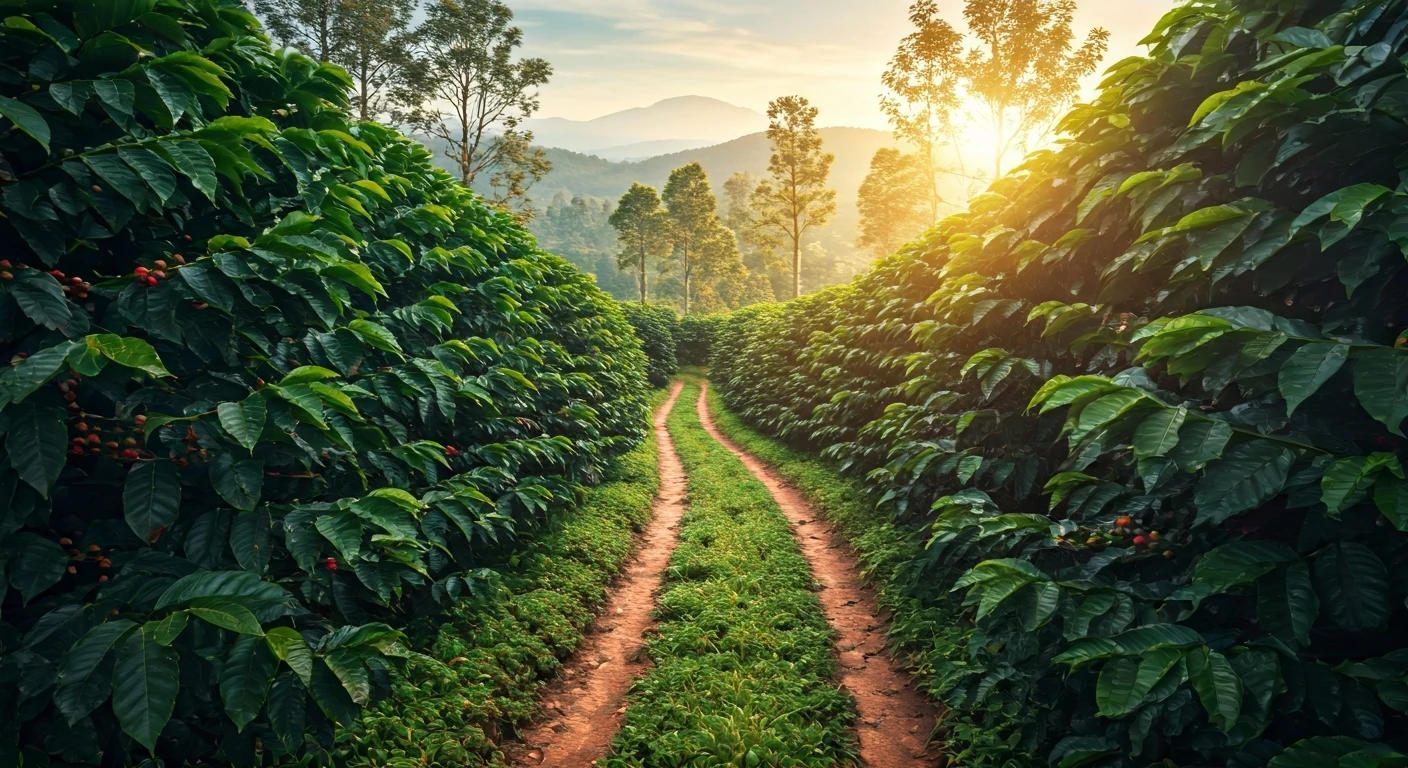
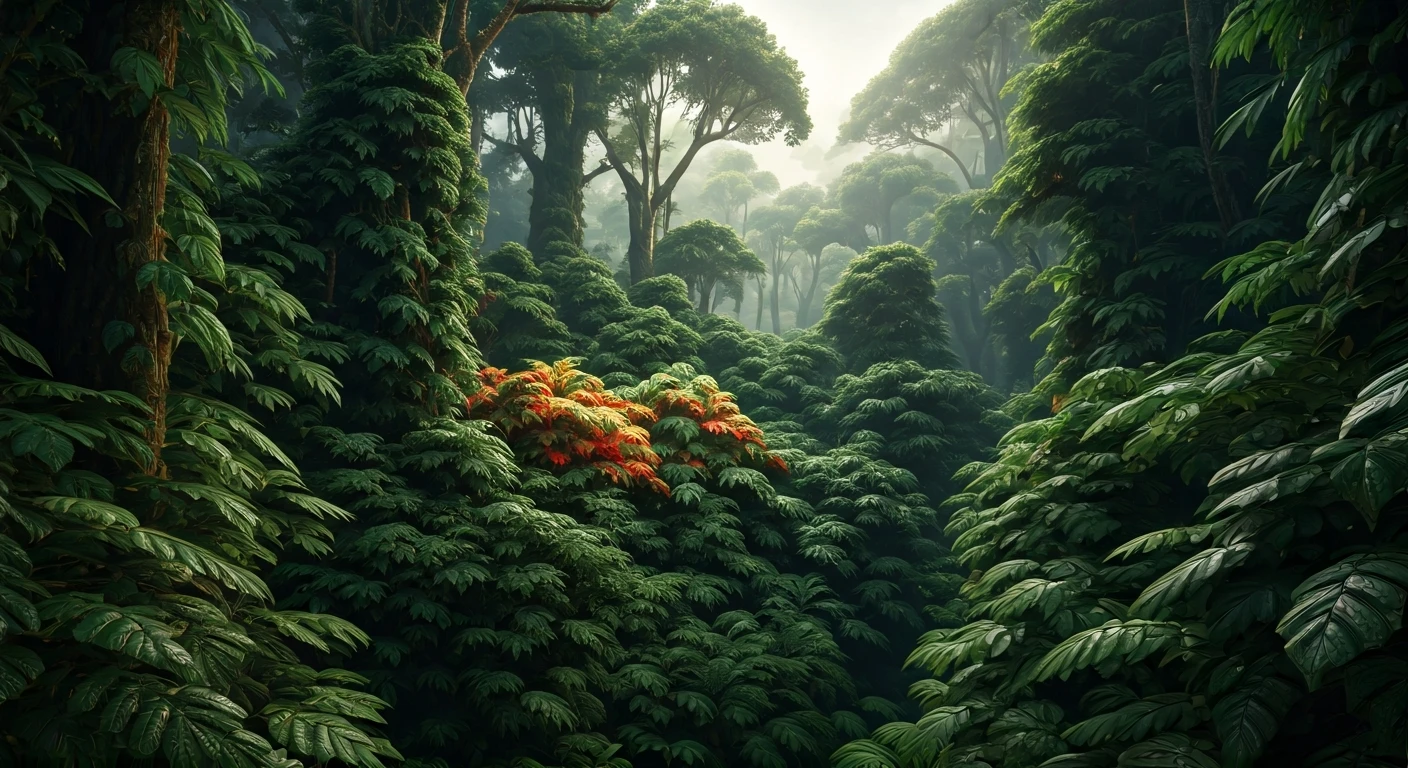
peaks of their northern cousins, the Ghats are a global biodiversity hotspot, teeming with thousands of species of flora and fauna, many of which are found nowhere else on Earth. The state of Karnataka is home to a significant, and arguably one of the most beautiful, stretches of this ancient range. It’s a region of rolling hills, dense rainforests, fragrant spice gardens, and world-class coffee plantations—a world away from the chaotic energy of India's megacities.
Why June is the Magic Month
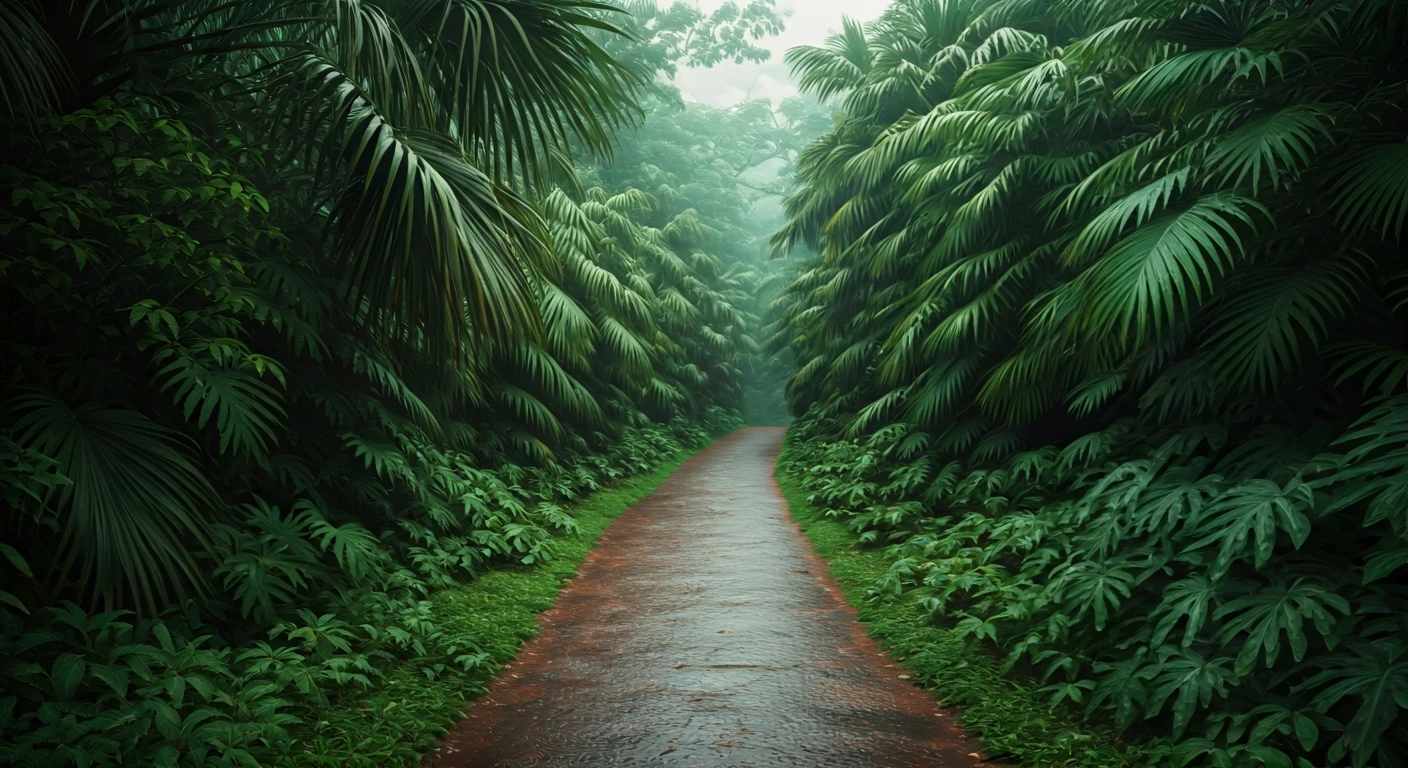
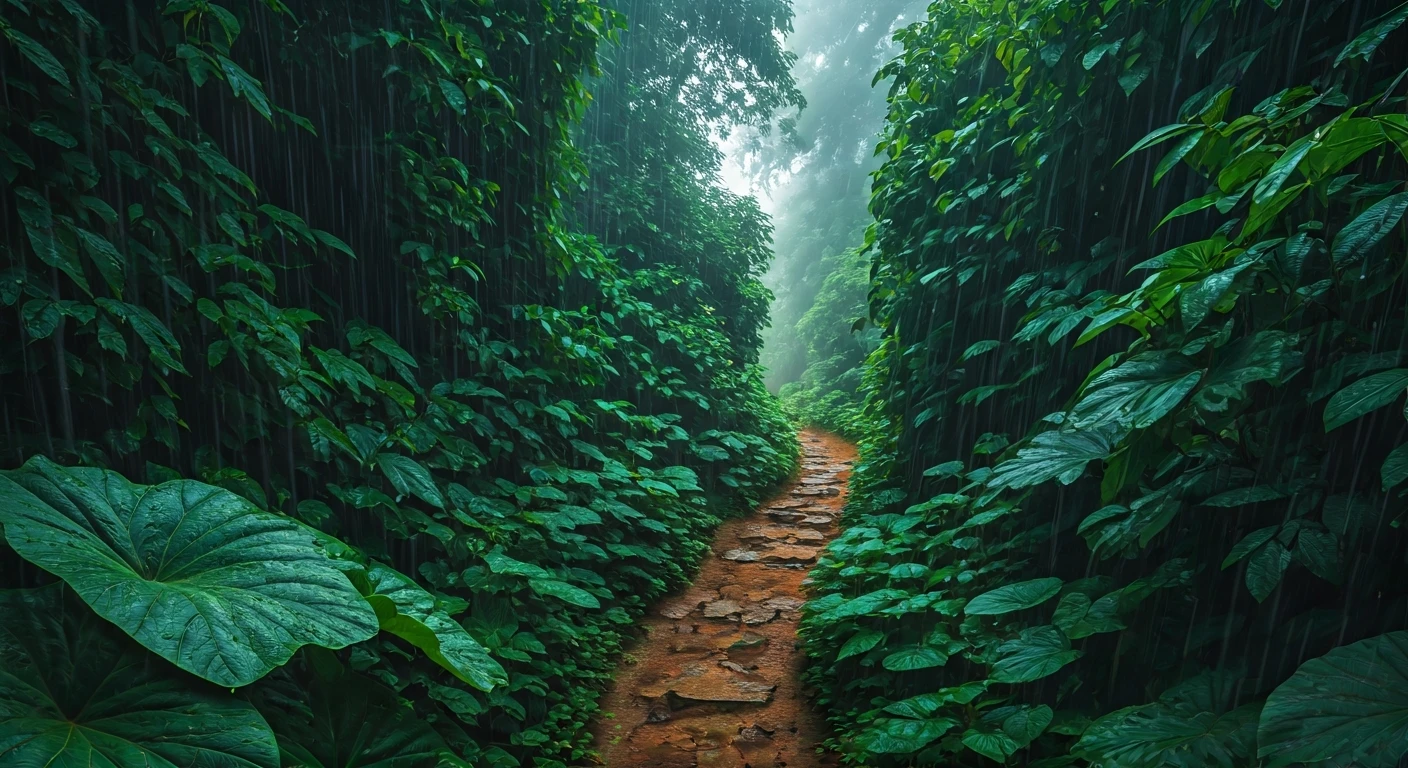
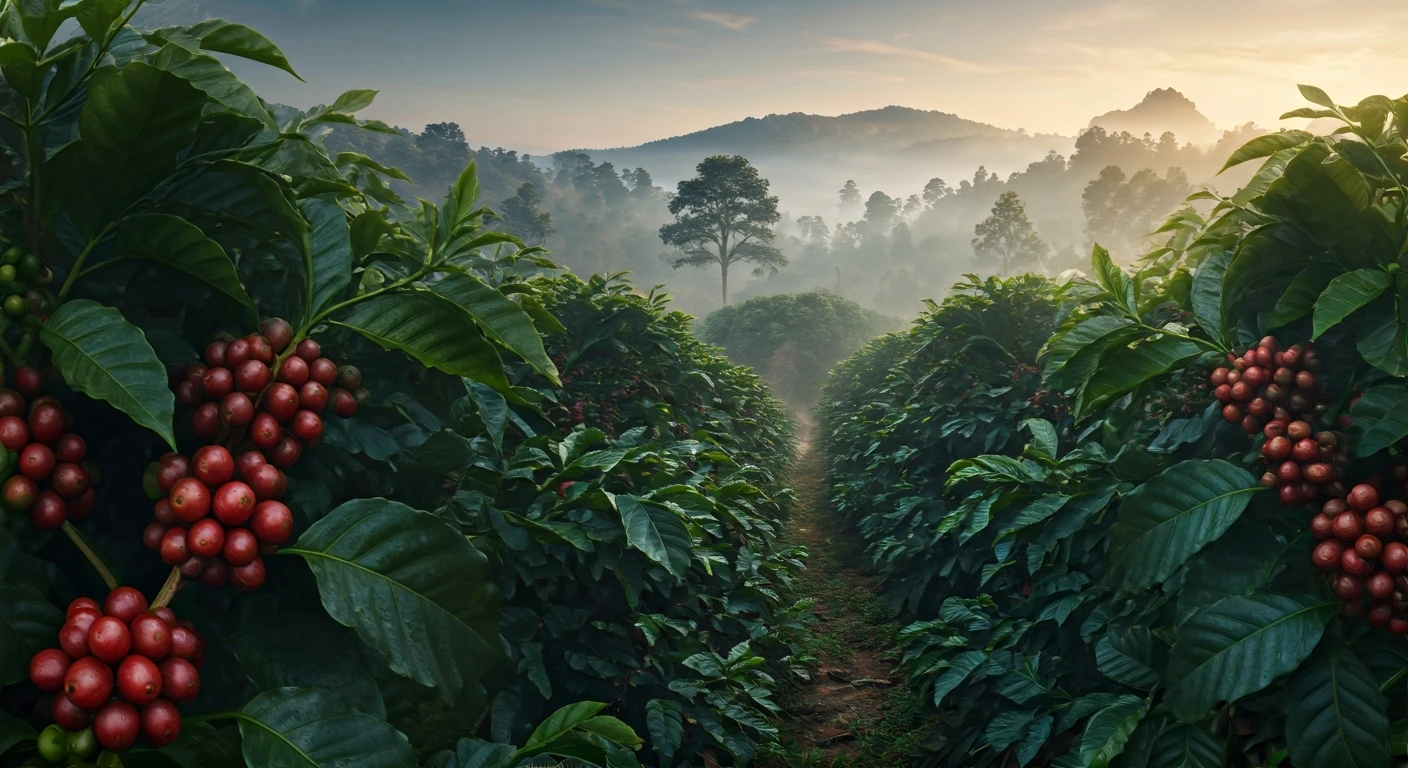
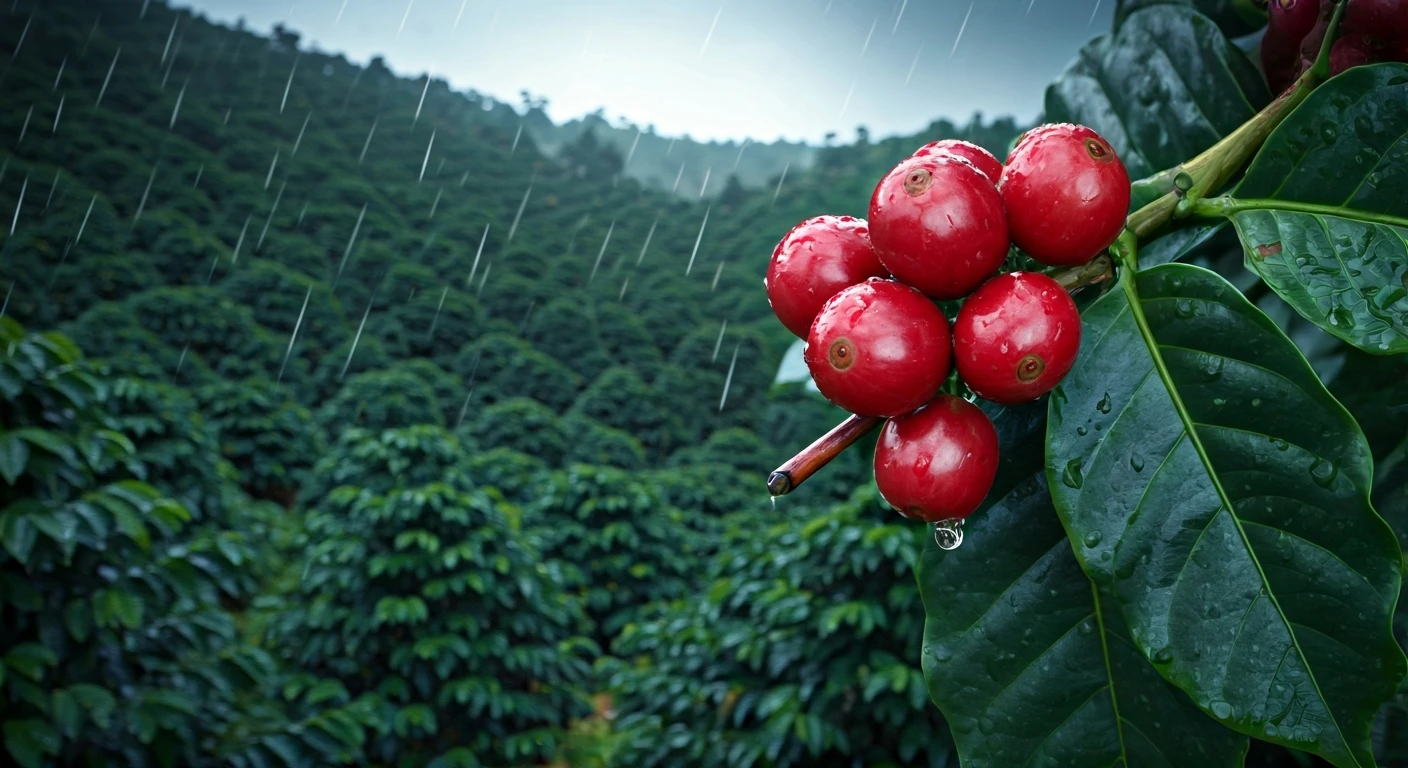
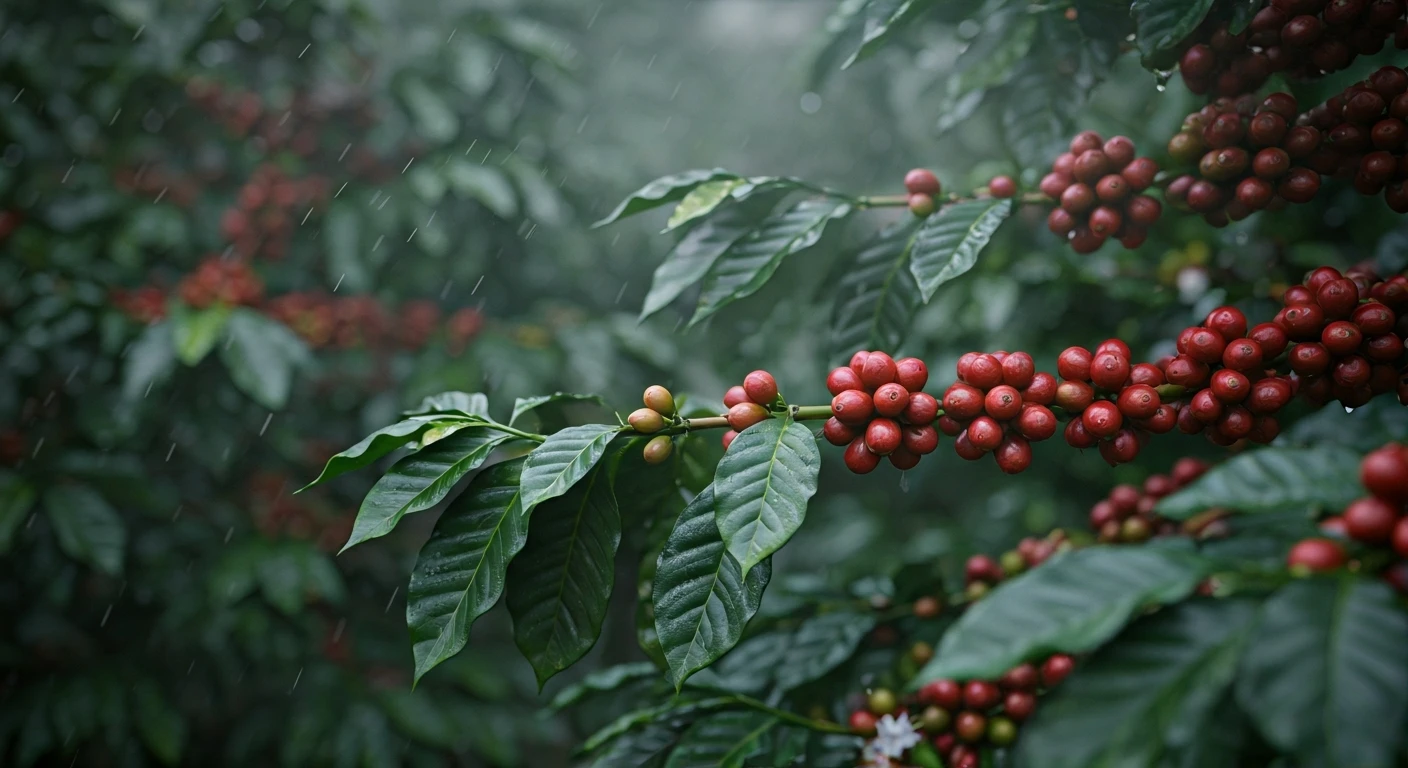
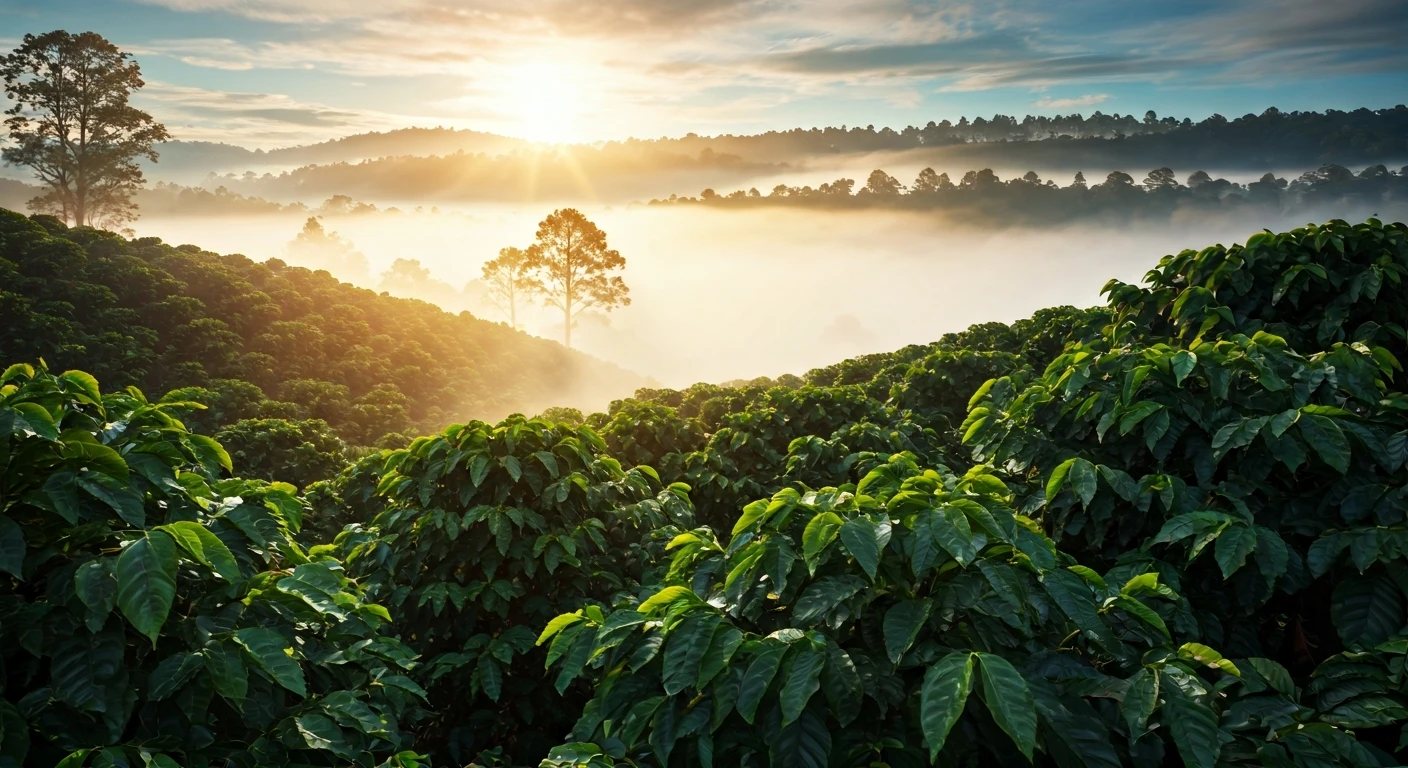
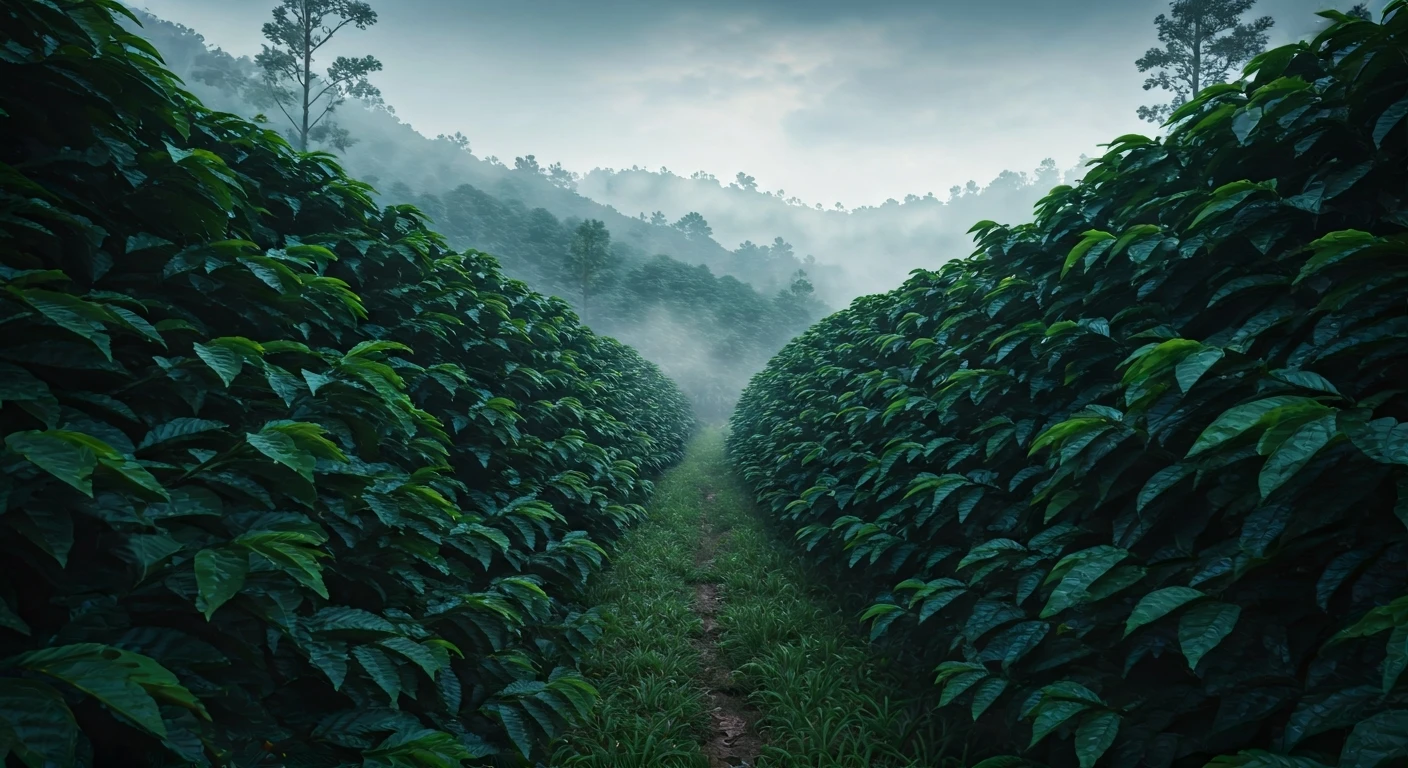
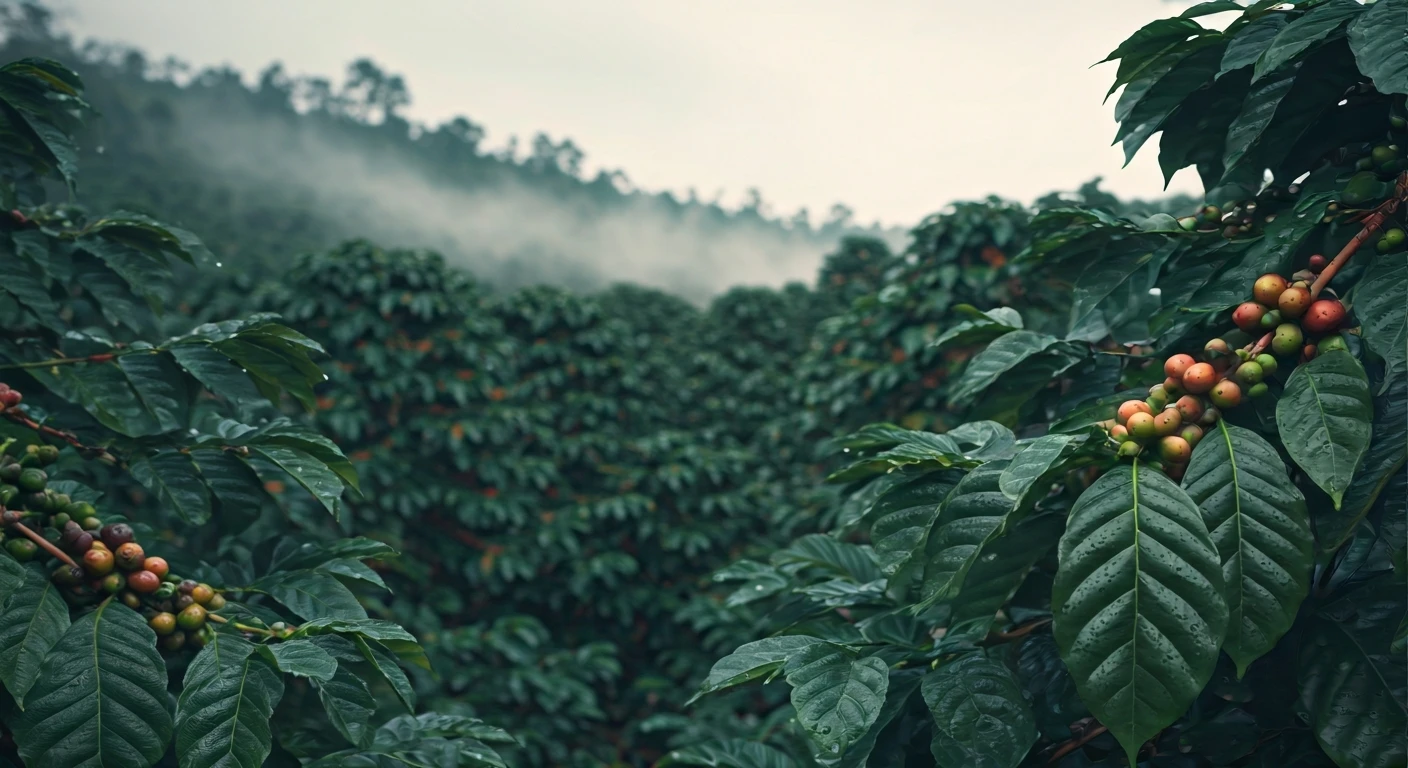
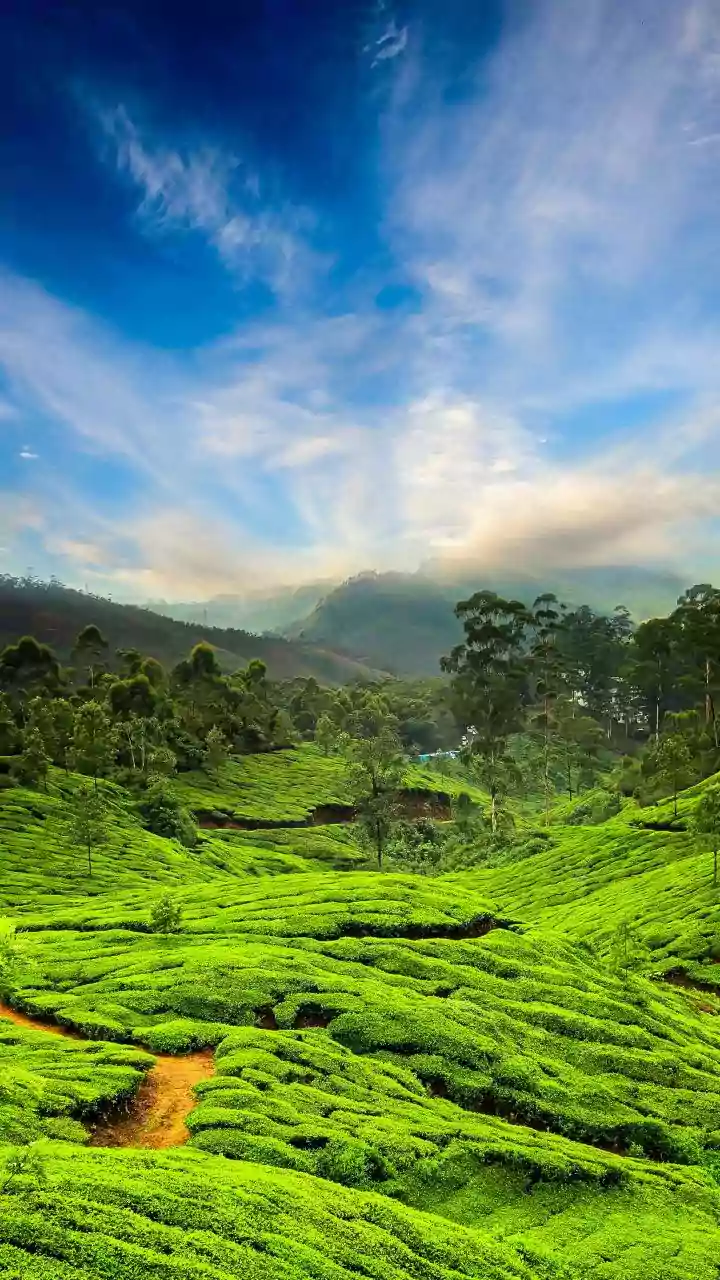
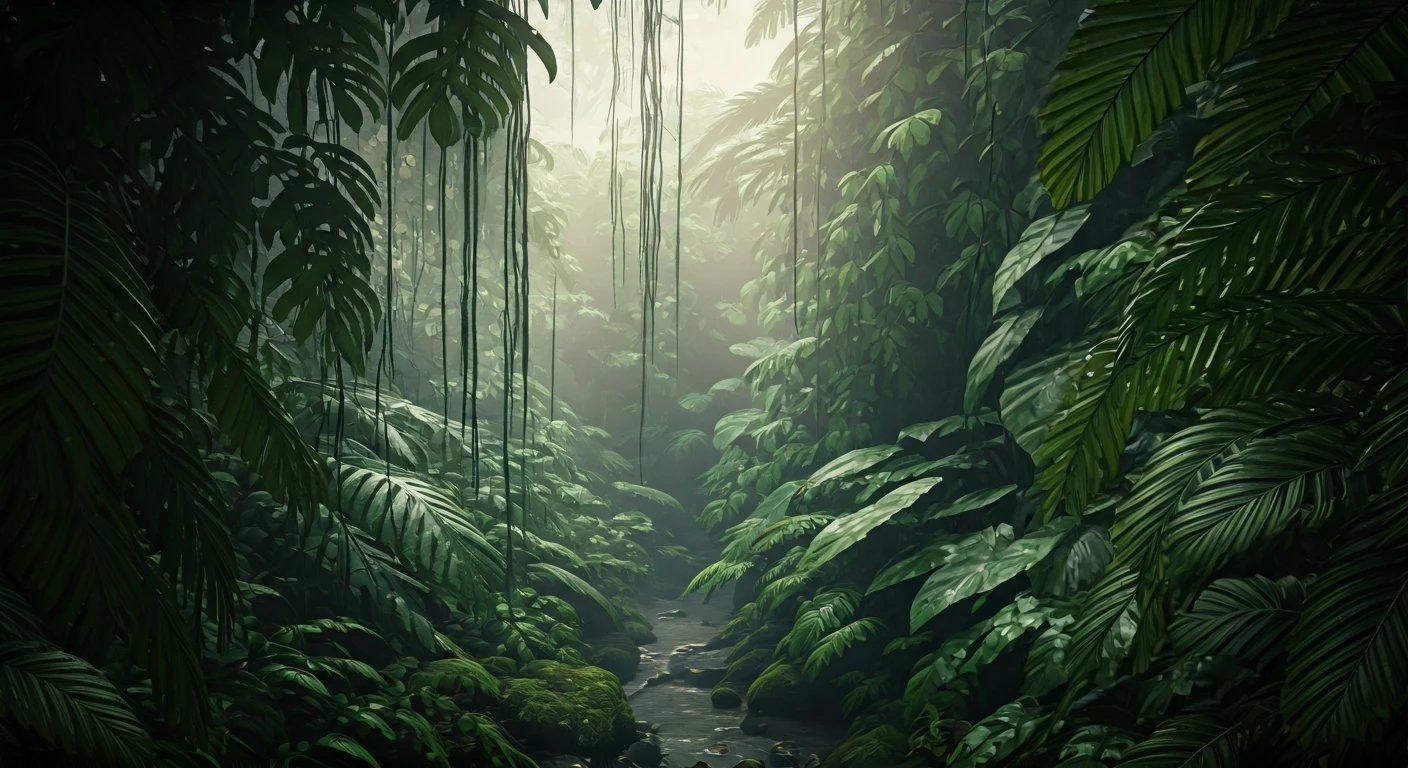
For most of the world, a forecast of daily rain sends travelers running. In Karnataka, it’s an invitation. June marks the arrival of the southwest monsoon, a season that completely revitalizes the region. After months of dry heat, the first rains wash the dust from the leaves, awaken dormant streams, and carpet every inch of the landscape in a brilliant, almost fluorescent green. The air becomes crisp and cool, heavy with the smell of wet earth and blooming flowers. Clouds hang low in the valleys, wrapping the hills in a mystical shroud of mist that drifts through coffee estates and village roads. This isn't just rain; it's a dramatic, soul-stirring transformation you have to see to believe.
Head for the Hills: Coorg and Chikmagalur
Two of the most popular gateways to the Ghats experience are the hill stations of Coorg (Kodagu) and Chikmagalur. Often called the “Scotland of India,” Coorg is a region of emerald hills, dense forests, and endless coffee plantations. In June, its famous Abbey Falls and Iruppu Falls are thundering spectacles. Chikmagalur, credited as the birthplace of coffee in India, offers a similar vibe with a slightly more rugged edge. You can drive through winding roads surrounded by a canopy of green, hike to stunning viewpoints like Mullayanagiri Peak (if weather permits), and tour estates to learn how your morning cup of joe is grown. Both regions are dotted with charming homestays and boutique resorts, perfect for curling up with a book and a hot drink while the rain patters outside.
Chase Waterfalls and Explore Rainforests
The monsoon is the peak season for chasing waterfalls, and the Ghats are overflowing with them. Beyond the famous falls in Coorg, the region is home to Jog Falls, one of India's highest, which becomes a truly awe-inspiring sight during the rains. For the more adventurous, the Agumbe rainforest region—which receives some of the highest rainfall in southern India—offers a raw, immersive nature experience. Known as the “Cherrapunji of the South,” its dense canopy is alive with the sounds of insects, birds, and the occasional Malabar gliding frog. While serious trekking can be treacherous and is often restricted for safety during the heaviest rains, numerous guided nature walks and jeep trails allow you to safely experience this vibrant ecosystem at its peak.
The Cozy Factor: Comfort Food and Homestays
The appeal of a monsoon trip isn't just about the outdoor scenery; it's also about the indoor coziness. There's a unique pleasure in finding refuge from a downpour in a local café or your homestay’s veranda. It’s the perfect time to savor the local Kodava cuisine in Coorg—like the famous pandi curry (pork curry) and akki roti (rice flatbread)—or enjoy a filter coffee brewed from beans grown just a few feet away. The experience is less about ticking off a checklist of sights and more about slowing down, watching the rain fall, feeling the cool mist on your face, and connecting with the powerful rhythm of nature. It’s a sensory journey that refreshes the mind as much as the landscape.