





The End of the Checklist Tour
A massive shift is underway in one of the world’s fastest-growing travel markets. As India’s middle and upper-middle classes expand, their travel aspirations are evolving. The first wave of Indian outbound tourism was often about prestige and aspiration—collecting
stamps in a passport from the famous capitals of the West. London, Paris, Rome, New York. The goal was to see the iconic sights, prove you’d made it, and return with photos of the Eiffel Tower and the Statue of Liberty. This was “checklist tourism.” Today, a younger, more digitally savvy, and increasingly confident generation of Indian travelers is rewriting the rules. They have more disposable income than their parents but often less time for sprawling, three-week holidays. More importantly, their definition of a great vacation is changing. It’s no longer about how far you go, but how much you experience. The new currency isn't distance, it's discovery.
The Tyranny of the Visa
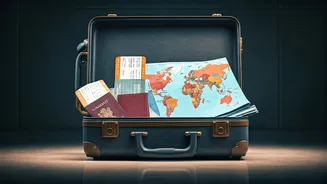
One of the biggest drivers of this change is practical: the visa. For an Indian passport holder, planning a trip to the United States or the European Schengen Area is a significant undertaking. It involves extensive paperwork, expensive application fees, and often long waits for an appointment, with no guarantee of approval. This bureaucratic hurdle acts as a powerful deterrent, especially for spontaneous or short-notice trips.
In contrast, many countries in Southeast Asia and the Middle East have rolled out the red carpet. Nations like Thailand, Malaysia, Sri Lanka, and Vietnam offer visa-free entry or simple visa-on-arrival processes for Indian citizens. This ease of access makes a weekend trip to Bangkok or a five-day beach holiday in Bali a simple, stress-free proposition. For a generation accustomed to on-demand services, the appeal of a hassle-free entry process cannot be overstated. Why spend months planning a trip to the West when you can book a flight to a tropical paradise tonight?
The Rise of the Regional Hotspot
The result is a boom in regional travel. Destinations a 4-to-6-hour flight from major Indian hubs like Delhi, Mumbai, and Bangalore are thriving. Dubai has become a perennial favorite, a veritable playground offering luxury shopping, futuristic architecture, and world-class entertainment. It’s close, familiar to many, and understands the Indian consumer market exceptionally well.
Southeast Asia is the other major beneficiary. Vietnam has seen an explosion in interest, driven by its stunning landscapes, incredible food culture, and affordability. Thailand remains a powerhouse, attracting everyone from backpackers to luxury resort-goers. Indonesia, particularly Bali, draws those seeking spiritual wellness, yoga retreats, and vibrant nightlife. These destinations are not just geographically convenient; they offer a depth of cultural experience that feels both accessible and excitingly different.
From Sightseeing to 'Experience-ing'
This shift is about more than just geography and convenience. It reflects a deeper change in mindset, heavily influenced by social media and a globalized pop culture. The new Indian traveler isn't just a tourist; they are a creator of their own narrative. They want unique, “Instagrammable” moments that go beyond a posed photo in front of a monument. They seek out authentic food tours, boutique hotels, adventure sports, music festivals, and hidden gems they discovered through a travel blogger.
The focus is on immersion. Instead of seeing five countries in ten days, the goal might be to truly understand one neighborhood in Hanoi, learn to scuba dive in the Andaman Islands, or go on a solo trek in Nepal. This desire for discovery—for personal growth, unique stories, and genuine connection—is the defining characteristic of this new wave. It's a move from passive sightseeing to active “experience-ing.”