





The Great Migration North
For decades, the travel industry has been built on the promise of sun, sand, and surf. Yet, a significant shift is underway. Search data, booking trends, and tour operator offerings all point in the same direction: north. Or south, if you’re heading to Antarctica.
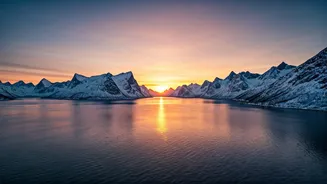
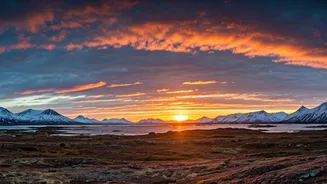
Trips to destinations like Iceland, Scandinavia, Alaska, and even the polar regions are surging in popularity. These aren't just your standard ski trips to Aspen or Vermont. We're talking about expeditions to see the Northern Lights, stays in hotels carved from ice, cruises through glacial fjords, and wildlife safaris to spot polar bears. This phenomenon, dubbed “cool-cations” or cold-weather tourism, is moving from a niche pursuit for hardcore adventurers to a mainstream travel goal.
Why We're Craving the Chill
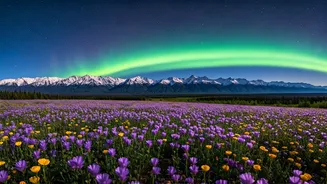
So, what’s behind this collective shiver? Part of it is a reaction to over-tourism. Popular warm-weather spots from the Mediterranean to the Caribbean are often crowded and expensive, especially during peak seasons. Cold destinations offer a sense of novelty and escape. There's also a powerful psychological pull. These trips promise genuine adventure and a challenge, moving beyond passive sunbathing to active experiences like dog-sledding, ice-caving, or snowshoeing. They tap into a desire for personal growth and stories worth telling. And let’s be honest, the visuals are spectacular. The ethereal glow of the aurora borealis or the stark beauty of a massive glacier is social media gold, providing a unique aesthetic that stands out in a sea of sunset beach photos.
The New Cold-Weather Hotspots
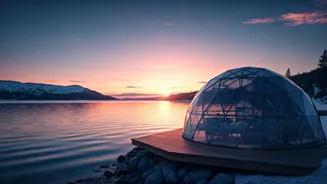
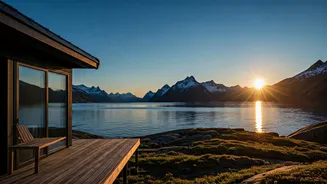
Iceland was the gateway drug for many. Its otherworldly landscapes of volcanoes, geysers, and glaciers—all within a reasonable flight from the U.S. East Coast—made it a blockbuster destination. But the trend has expanded. Finnish Lapland now draws travelers with its promise of reindeer sleigh rides, cozy glass igloos for aurora-viewing, and a chance to visit the “official” home of Santa Claus. Norway’s coastal cruises, especially through its dramatic fjords in winter, offer a majestic and slightly more comfortable way to experience the Arctic landscape. For the truly committed, expedition cruises to Antarctica have become a pinnacle of bucket-list travel, offering a front-row seat to one of the planet's last great wildernesses.
The Climate Change Conundrum
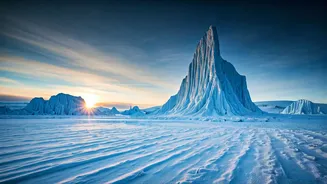
There's an uncomfortable irony at the heart of this trend. One of the quiet motivators for many travelers is the sense of urgency known as “last-chance tourism.” People are rushing to see magnificent glaciers and polar ice caps before they shrink further or disappear due to climate change. The paradox is that the very act of flying thousands of miles to these fragile ecosystems contributes to the carbon emissions that are accelerating their decline. The travel industry is slowly responding with more sustainable options, carbon-offsetting programs, and stricter regulations on visitor numbers, particularly in sensitive areas like Antarctica. But it remains a complex ethical question for every traveler who books a ticket to the ice: are you honoring a place, or hastening its demise?