





From Kibble to Custom Formulas
For decades, feeding your pet meant choosing between a few major brands at the grocery store. Today, the pet food aisle—both physical and virtual—looks wildly different. The latest evolution is personalized pet nutrition, a booming market that goes far
beyond simply choosing a “small breed” or “senior” formula. At its most basic, it involves companies that create custom-portioned meals based on a detailed questionnaire about your pet’s age, breed, weight, activity level, and health issues. Think of it as a personal chef for your pug. These meals, often made with fresh, human-grade ingredients, are then delivered directly to your door, taking the guesswork out of portion control and calorie counting.
The High-Tech, DNA-Driven Approach
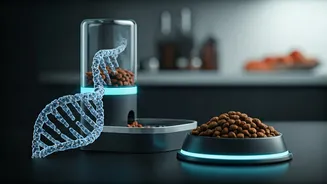
The trend gets even more futuristic. A growing number of startups are now offering services that claim to design food based on your pet’s unique biology. This usually involves a kit sent to your home to collect a sample—either a cheek swab for DNA or a stool sample for gut microbiome analysis. The company analyzes the sample to identify genetic predispositions for certain conditions, food sensitivities, or imbalances in their digestive system. The promise is a diet engineered with specific ingredients and supplements—like prebiotics for gut health or omega-3s for a genetic marker linked to joint issues—to proactively manage your pet’s long-term health. It’s the ultimate expression of preventative care, treating food as medicine before a problem even starts.
The Potential Payout for Your Pet
Proponents of personalized diets argue the benefits are obvious. A custom-formulated plan can be a lifesaver for pets with persistent health problems like skin allergies, chronic digestive upset, or pancreatitis, where specific ingredients are known triggers. For these animals, a diet that meticulously excludes irritants and includes supportive nutrients can lead to a dramatic improvement in quality of life. Owners who make the switch often report seeing a shinier coat, increased energy levels, healthier stools, and better weight management. For a pet that has been struggling, finding the right nutritional combination can feel like cracking a code that veterinarians and standard prescription diets couldn't solve.
The Vet's-Eye View (and the Cost)
Before you rush to swab your golden retriever’s cheek, it’s important to consider the caveats. First and foremost is the cost. Personalized fresh food diets can be significantly more expensive than even premium kibble, sometimes running hundreds of dollars per month depending on the size of your dog. Secondly, the science behind direct-to-consumer genetic and microbiome testing for pets is still in its infancy. Many veterinary nutritionists are skeptical, arguing that while the data is interesting, it’s not yet robust enough to be the sole basis for designing a diet. They caution that a well-formulated commercial diet from a reputable brand that conducts extensive feeding trials is still the gold standard for most healthy pets.
So, Should You Make the Switch?
The decision ultimately comes down to your pet’s specific needs and your budget. If you have a healthy dog or cat with no pressing issues, a high-quality, off-the-shelf food is likely perfectly adequate. The vast majority of pets thrive on these diets. However, if your pet suffers from chronic health issues that haven’t responded to traditional approaches, a personalized diet could be a worthwhile experiment. The key is to approach it as a partnership. Instead of replacing your vet’s advice with an online quiz, use these services as a tool. Share the ingredient lists and nutritional analysis with your veterinarian to ensure the plan is balanced and appropriate for your pet's medical history.