


An Alpine Meadow Comes Alive
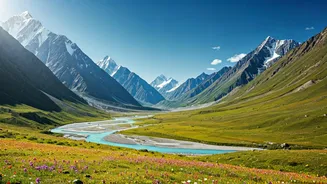
Each year, a remote valley in India’s Uttarakhand state undergoes a spectacular transformation. For months, it lies dormant under a thick blanket of snow. But as the summer sun melts the ice, the Valley of Flowers National Park awakens. This year, the first
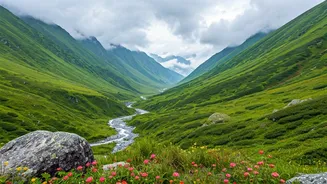
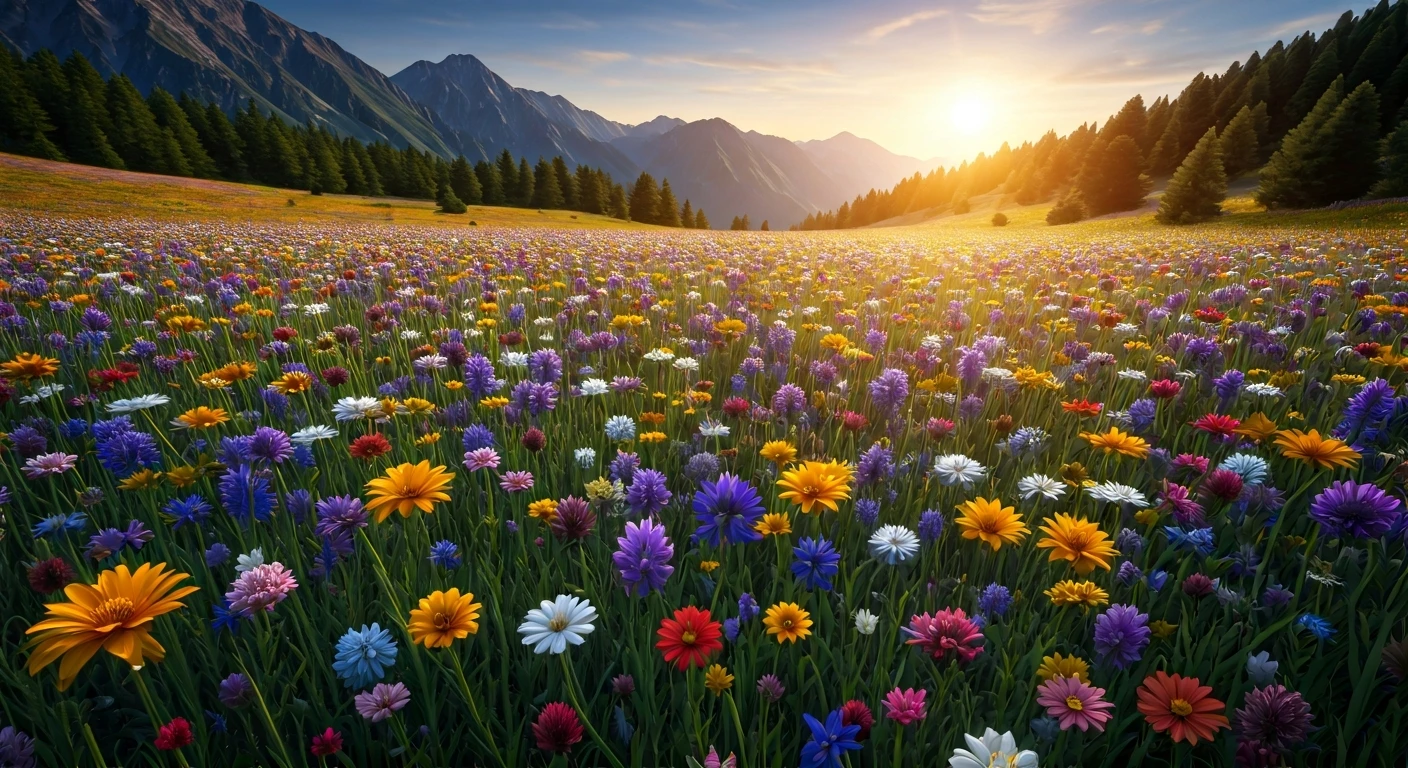
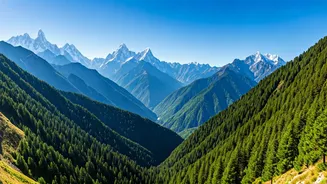
wave of trekkers who made the journey after its June 1st opening are reporting a particularly stunning start to the season. While the full, jaw-dropping carpet of over 600 floral species peaks in July and August, these early visitors are being rewarded with a vibrant mosaic of potentilla, wild rose, primula, and fragrant marigolds. Against the dramatic backdrop of the Garhwal Himalayas, these initial blooms create a landscape that feels more like a painting than a real place—a high-altitude Eden re-emerging from its winter slumber.
The Pilgrimage to Paradise
Getting to the Valley of Flowers is an adventure in itself, a journey that filters out casual tourists and rewards the determined. For American travelers, the trip begins with a flight to Delhi, followed by a journey to the mountain town of Rishikesh. From there, it's a long, winding drive to Govindghat, the starting point of the trek. The first leg of the hike is a roughly 8-mile ascent along a roaring river to the small village of Ghangaria, the base camp for the valley. It’s here, after a night of rest, that the true magic begins. The final stretch is a shorter but steeper climb into the park itself. There are no roads, no vehicles—only a stone-paved path, the sound of your own breathing, and the growing anticipation as the first patches of color appear, promising a world-class natural spectacle just ahead.
A UNESCO World Heritage Treasure
This isn’t just another pretty meadow. The Valley of Flowers, along with the adjacent Nanda Devi National Park, is a UNESCO World Heritage site, recognized for its exceptional natural beauty and unique ecology. The park is a transition zone between the Zanskar and Great Himalayan ranges, creating a microclimate that supports an incredible diversity of flora. Many of the flowers found here, like the elusive blue poppy and the Brahma Kamal, are endemic to the region and have been used in traditional Ayurvedic medicine for centuries. The valley is also a critical habitat for rare and endangered animals, including the Asiatic black bear, snow leopard, and blue sheep. To walk here is to step into a fragile, protected ecosystem that represents one of the most remarkable alpine landscapes on Earth.
A Fleeting and Dynamic Spectacle
The true wonder of the Valley of Flowers is its ephemeral nature. The spectacle is a moving target, with the park open only from June through early October. What trekkers see in June is vastly different from the floral explosion of mid-July or the late-season hues of September. The bloom is a dynamic wave of color that rolls through the valley. Early season offers the crispness of a world just waking up. The monsoon-drenched peak season brings a density of flowers so thick it’s hard to see the ground. By fall, the colors begin to fade as the landscape prepares for its long winter sleep. This fleeting window makes every visit unique and adds to the sense of privilege felt by those who time their journey just right to witness one of nature's greatest, and most temporary, masterpieces.