







The Great Log-Off
At the heart of this movement is a powerful, collective craving for disconnection. In an age of relentless pings, notifications, and the ambient anxiety of being perpetually online, the forest offers the ultimate off-switch. It’s a destination where the main
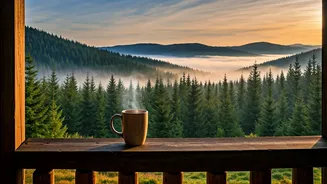
attraction is a distinct lack of digital noise. This isn’t about Luddism; it’s about mental preservation. The goal is to trade doomscrolling for staring into a campfire and Zoom fatigue for the simple focus of a woodland trail. The silence of the woods isn't empty; it's filled with the subtle sounds of nature that help reset a cluttered mind. This search for quiet is a direct response to modern burnout, making the forest less a place to visit and more a place to recover.
From Rustic Cabin to Rustic-Chic
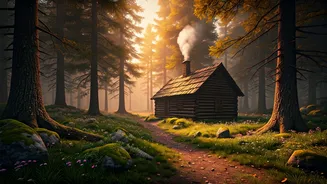
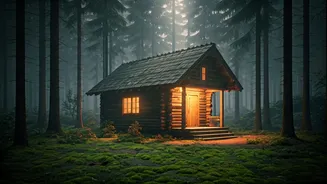
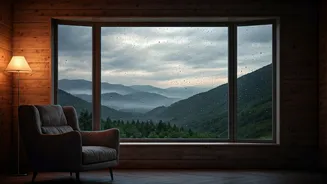
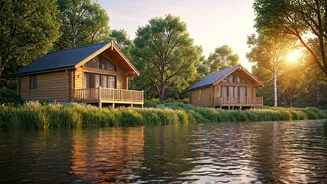
The modern forest retreat is a far cry from a drafty, bare-bones shack. Today’s most sought-after properties blend seamless natural immersion with high-end comforts. Think architect-designed A-frames with floor-to-ceiling windows, cedar hot tubs steaming under starry skies, and fully-equipped kitchens that would make a chef envious. The key is “aspirational rusticity.” Travelers want the scent of pine and the crackle of a wood stove, but they also appreciate high-speed Wi-Fi (the irony isn't lost), plush linens, and a well-designed space. Booking platforms like Airbnb and Vrbo are flooded with these design-forward cabins, treehouses, and forest lodges that promise seclusion without sacrifice. This evolution has made the woods accessible and appealing to a much broader audience than just seasoned outdoorspeople.
The Rise of 'Forest Bathing'
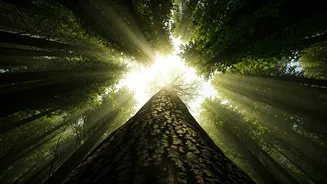
This trend has a powerful ally in the wellness world: the concept of *shinrin-yoku*, or “forest bathing.” Originating in Japan in the 1980s, this practice isn’t about hiking or exercise but about simply being calm and quiet amongst the trees, absorbing the environment through all five senses. What once sounded like a niche wellness practice has gone mainstream, backed by a growing body of research highlighting its benefits. Studies have shown that spending time in a forest can lower blood pressure, reduce levels of the stress hormone cortisol, and improve mood and focus. Americans are increasingly looking for travel that does more than provide a break; they want it to actively improve their well-being. Forest bathing provides a framework and a name for what many intuitively feel: that nature is restorative.
Finding Your Own Wilderness
The beauty of this trend is its accessibility. You don’t need to venture into the deep Alaskan bush to participate. Forest retreats are flourishing across the country, offering diverse experiences for every comfort level. The misty, moss-covered landscapes of the Pacific Northwest have long been a haven for cabin lovers. The rolling hills of the Appalachians in states like North Carolina and Tennessee offer cozy getaways steeped in mountain culture. New England provides a classic autumn backdrop of fiery foliage, while the forests around the Great Lakes offer serene, waterside seclusion. Whether it’s a solo trip to a tiny cabin to finish a novel, a romantic weekend in a luxury treehouse, or a family gathering at a sprawling lodge, the core appeal remains the same: a chance to slow down, breathe deeply, and reconnect with something fundamental and real.