

Kerala: The Backwaters Reborn
Imagine gliding through a maze of canals on a traditional Kettuvallam, or houseboat. Now, imagine doing it while a soft, steady rain patters on the thatched roof, turning the entire landscape a shade of impossible green. This is Kerala’s backwaters during
the monsoon (roughly June to September). The rivers and lakes swell, the air is clean and cool, and the symphony of raindrops on water becomes your travel soundtrack. The experience shifts from a simple boat ride to a deeply immersive, almost meditative journey. The usual tourist buzz quiets down, replaced by the sounds of nature at its most vibrant.
Coorg: Scotland of India in the Mist
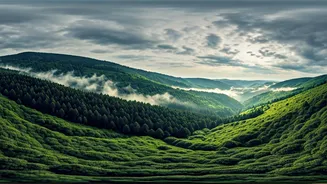
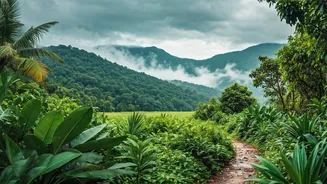
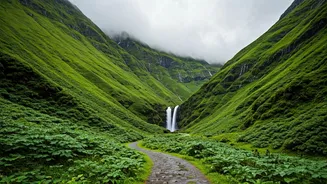
Known as the “Scotland of India,” Coorg (or Kodagu) in the neighboring state of Karnataka transforms into a mystical, misty wonderland during the rains. Its rolling hills, blanketed in coffee and spice plantations, are shrouded in a low-hanging fog that lends an air of mystery. Waterfalls like Abbey and Iruppu, which can be modest trickles in the dry season, become thunderous, roaring spectacles. For those who don’t mind getting a little wet, a drive through Coorg’s winding roads during a light drizzle offers view after breathtaking view of verdant valleys and glistening coffee cherries.
Ayurveda: The Season of Rejuvenation
In Kerala, the monsoon is traditionally considered the best time for Ayurvedic treatments. According to ancient wisdom, the humid, dust-free air during the rainy season causes the pores of the skin to open, making the body more receptive to oils and therapeutic treatments. Whether you're seeking a simple relaxing massage or a more intensive panchakarma detox, undergoing these therapies in Kerala during the monsoon is seen as the most effective and authentic way to experience this ancient healing system. It’s wellness travel at its most elemental.
The Sensory Overload You’ll Crave
Monsoon travel isn’t just about the sights; it's a full-body sensory experience. It’s the earthy smell of petrichor—the scent of rain hitting dry soil. It’s the taste of a hot, spicy curry or a fresh cup of local coffee enjoyed while watching the downpour from a dry veranda. It’s the feeling of the cool, fresh air on your skin. For Americans used to air-conditioned, climate-controlled environments, embracing the raw, untamed weather can be a surprisingly liberating and memorable part of the adventure.
Fewer Crowds and Better Deals
While monsoon tourism is growing, it still doesn't see the peak-season crowds of the winter months. For travelers, this translates into a more peaceful and personal experience. You’re more likely to have that stunning viewpoint to yourself or find quiet moments of reflection. This “shoulder season” also means better value. Flights are often cheaper, and many luxury hotels and resorts offer significant discounts, making a trip that might seem out of reach during high season suddenly very affordable.
A Photographer's Dreamscape
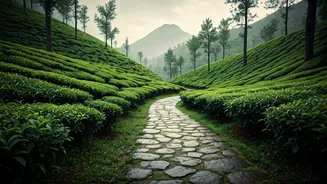
Clear, sunny skies are great for postcards, but dramatic weather makes for dramatic photos. The monsoon season provides an ever-changing canvas of moody skies, saturated colors, and beautiful, soft light. The contrast of dark rain clouds against the brilliant green of the tea plantations in Kerala or the misty silhouettes of trees in Coorg offers endless opportunities for stunning, atmospheric photography. It’s a chance to capture a side of India that feels more intimate and profound than the typical sun-drenched imagery.
Practical Tips for Monsoon Travel
Embracing the rain doesn't mean being unprepared. Pack lightweight, quick-drying clothes and a reliable waterproof jacket. Sturdy, waterproof footwear with good grip is non-negotiable. Be aware that heavy rains can sometimes cause travel delays or road closures, so a flexible itinerary is your best friend. And yes, in the lush outdoors, you might encounter leeches; leech socks and a small bottle of salt or hand sanitizer can help. Think of it as part of the authentic, wild experience.