




The Himalayan Stage
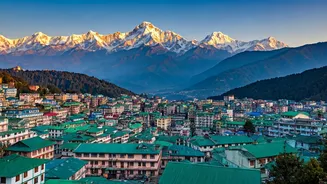
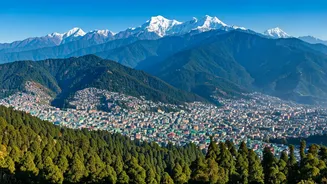
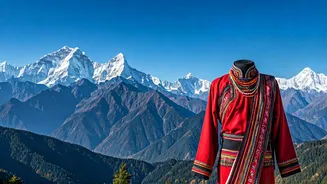
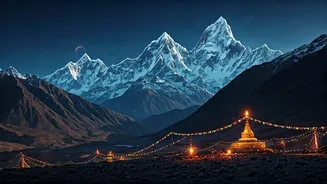
Perched on a steep Himalayan ridge in northeast India, Gangtok is a city defined by its view. The capital of the tiny state of Sikkim lives and breathes in the shadow of Mount Kanchenjunga, a colossal, five-peaked massif that locals revere as a guardian
deity. In many cities, a mountain view is a pleasant bonus; in Gangtok, it’s the main character. The air is thinner, the sky seems closer, and the colossal scale of the Himalayas puts everything in perspective. This isn’t just a pretty postcard setting. It’s an ever-present, silent participant in daily life, a spiritual anchor that informs the city’s identity. The streets wind up and down the hillside, offering dramatic, frame-worthy glimpses of the peaks between buildings. It’s this profound connection to the landscape that elevates everything that happens here, turning community gatherings into something that feels monumental.
Color and Sound on the Roof of the World
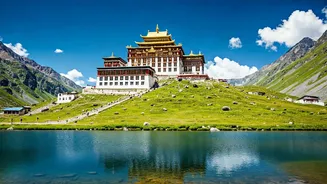
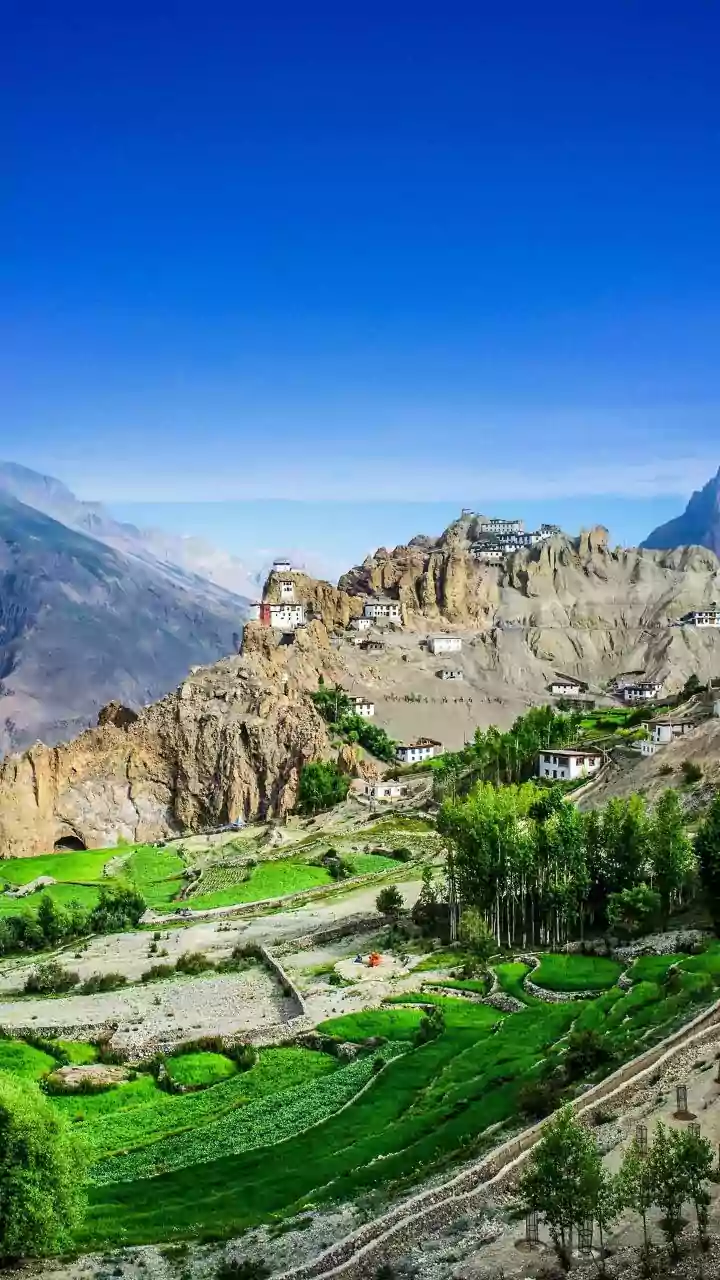
Into this spectacular amphitheater spills a calendar of festivals as vibrant and colorful as the mountains are imposing and white. Drawing from its rich Tibetan Buddhist heritage, Sikkimese culture is expressed through sound, movement, and elaborate ritual. During Losar, the Tibetan New Year, or other major Buddhist holidays, monasteries like the famous Rumtek and Enchey come alive. The highlight is often the ‘Chaam’ dance. These are not mere performances but sacred, masked rituals where monks embody deities and demons to tell ancient stories of the triumph of good over evil. The air fills with the drone of long horns, the clash of cymbals, and the rhythmic beat of drums, sounds that seem to echo across the valleys. The masks themselves are masterpieces of religious art—intricate, sometimes terrifying, and always captivating, representing a pantheon of spiritual forces.
Where Sacred Meets Scenic
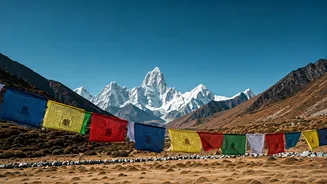
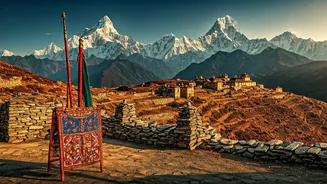
This is where the alchemy happens. A Chaam dance performed inside a temple hall is a powerful religious experience. A Chaam dance performed in a monastery courtyard with Kanchenjunga looming in the background is a transcendent spectacle. The juxtaposition is breathtaking. The raw, untamed power of the Himalayas provides a dramatic counterpoint to the disciplined, intricate choreography of the monks. The ancient, sacred energy of the ritual feels amplified by the ancient, sacred energy of the mountains themselves. Spectators, both local and visiting, aren't just watching a show; they are immersed in an environment where the spiritual and the natural worlds are visibly, undeniably intertwined. The crisp mountain wind whips the colorful prayer flags, sending blessings into the air, and the sheer scale of the landscape makes the human celebration feel both small and incredibly significant at the same time.
More Than Just a Backdrop
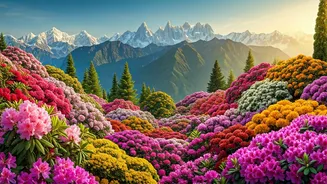
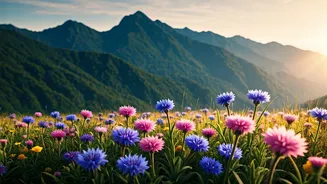
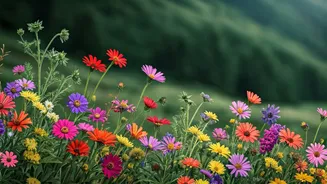
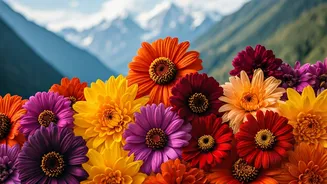
The magic isn’t limited to religious festivals. Gangtok’s secular celebrations also leverage this unique natural branding. The annual International Flower Festival, for instance, turns the city into a riot of color. Orchids, rhododendrons, magnolias, and countless other species native to the region are put on dazzling display. But seeing these vibrant blooms set against the distant, stark-white peaks adds a layer of context and beauty that a typical exhibition hall could never replicate. It’s a celebration of the region’s incredible biodiversity, made all the more poignant by the presence of the very mountains that created the conditions for it to flourish. Food festivals, music events, and cultural fairs all benefit from the same effect. Gangtok has learned that its greatest asset is its sense of place, transforming its mountain setting from a passive backdrop into festival gold—a unique selling proposition that is impossible to imitate.