



When and Where to Look
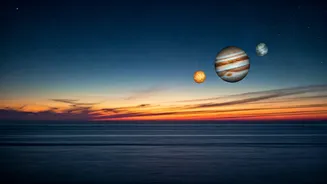
Timing is everything for this celestial performance. The best viewing window opens about 30 to 45 minutes after sunset. As the sky deepens from twilight blue to dusky purple, the planets will begin to emerge. You’ll need to face due west and find a location
with a clear, unobstructed view of the horizon. Trees, buildings, and even low hills can easily block the show, as the planets will be sitting low in the sky. A park, a field, or an elevated spot with a westward-facing view is your best bet. Don't wait too long; the trio will follow the Sun and set below the horizon within about 90 minutes of sunset, so the clock is ticking as soon as the show begins.
Identifying the Planets
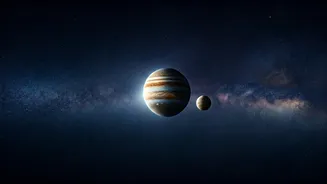
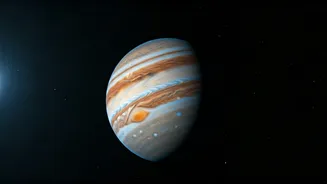
You won’t need a star chart to pick out the main players, but it helps to know who’s who. The brightest object you'll see is Venus. It will be unmistakable—a brilliant, steady, silvery light that will likely be the first “star” to pop into view after the sun goes down. It's often called the “Evening Star” for a reason, and tonight it serves as your main signpost. Just above or beside Venus, you'll find Jupiter. While not as dazzling as Venus, Jupiter is still exceptionally bright, shining with a strong, unwavering golden-white light. The real prize of the night is Mercury. It will be the faintest of the three and closest to the horizon's glow. Look for a small, star-like point of light near the brighter planets. Spotting Mercury is a treat for any sky-watcher, as its proximity to the sun means it's often lost in solar glare.
Do I Need a Telescope?
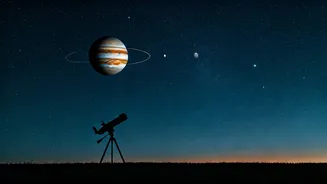
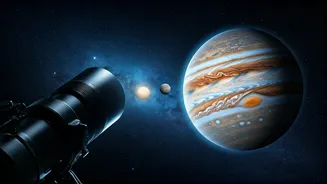
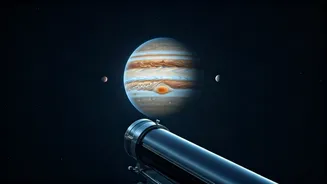
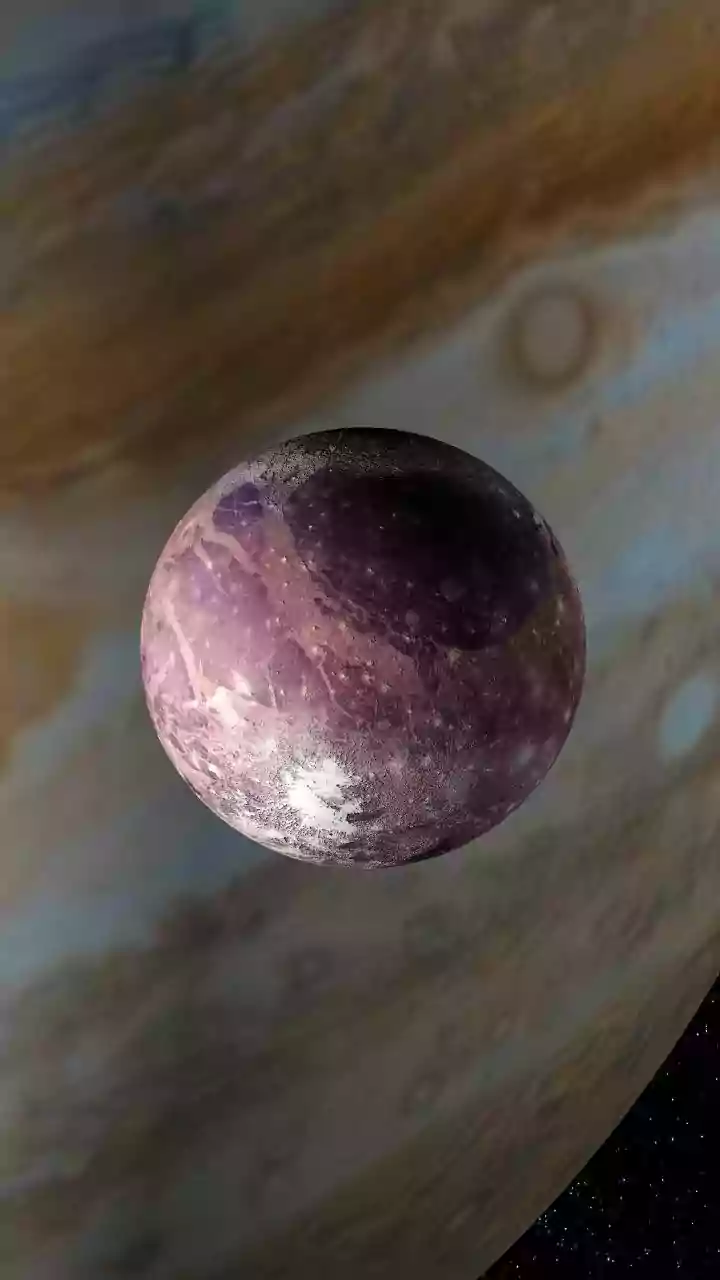
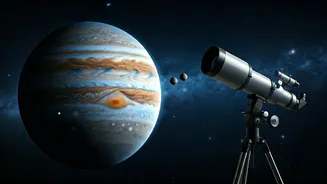
Absolutely not. This planetary gathering is a naked-eye event, accessible to anyone with a clear view of the sky. The beauty of this alignment is its scale—seeing the three worlds hang together in the twilight is a magnificent sight on its own. However, if you have a pair of binoculars, they will dramatically enhance the experience. Binoculars will make Mercury much easier to spot and may even reveal the four largest moons of Jupiter, which look like tiny pinpricks of light huddled close to the giant planet. A telescope would, of course, provide even more detail, potentially showing the phases of Venus or the cloud bands of Jupiter. But don’t let a lack of equipment stop you; your eyes are more than enough to enjoy the main event.
What 'Alignment' Really Means
When astronomers talk about a planetary alignment, it's not what you might see in a sci-fi movie. The planets aren't actually forming a perfectly straight line in space. If you could fly out in a spaceship, you'd see that Mercury, Venus, Jupiter, and Earth are all in their normal, separate orbits, millions of miles apart. The “alignment” is purely a line-of-sight phenomenon from our perspective here on Earth. Imagine standing in the bleachers at a vast circular racetrack. From your seat, several cars on different parts of the track might appear to be clustered together, but you know they are actually far apart. That’s what’s happening tonight. The orbital paths of these planets cause them to occasionally appear grouped in the same small patch of our sky, creating a beautiful, temporary cosmic tableau.
A Rare and Fleeting Sight
While conjunctions—where two celestial objects appear close together—are relatively common, seeing three bright planets clustered this tightly is a less frequent occurrence. What makes this event particularly rewarding is the inclusion of Mercury. As the solar system's innermost planet, it zips around the sun so quickly and stays so close to it that it's only visible for a few weeks at a time, either just before sunrise or just after sunset. Catching it at all is an accomplishment. Seeing it alongside the two brightest planets in our sky is a genuine astronomical treat. These celestial alignments are dynamic; night after night, you can watch the planets shift their positions relative to one another, a visible reminder of the grand, clockwork motion of our solar system.