



The Gentle Pace of Floral Tourism
The premise is simple: you travel to a destination specifically to see flowers in peak bloom. Unlike a trip built around conquering a city’s landmarks or hiking a challenging trail, a bloom-focused vacation has a built-in-brake. The main event is nature’s
schedule, not yours. The goal isn’t to *do* as much as possible, but to *see* and *feel* something beautiful. This slower, more observant style of travel can be profoundly relaxing. It encourages leisurely strolls, scenic drives, and long moments spent just taking it all in. It’s a perfect antidote to our high-productivity culture, offering maximum beauty for minimal stress.
Washington, D.C.’s Iconic Cherry Blossoms
The National Cherry Blossom Festival is famous for a reason, but it doesn’t have to be a battle against the crowds. The key to a low-stress experience is timing and location. While the Tidal Basin is the epicenter, thousands of Yoshino and Kwanzan cherry trees are planted across the city. Consider a weekday morning stroll through the U.S. National Arboretum or a visit to the quieter Dumbarton Oaks gardens in Georgetown. The main activity is walking on flat, paved ground, making it accessible for all mobility levels. Pack a picnic, find a bench away from the main crush, and simply enjoy the spectacle of a city draped in pink and white.
A Texas Bluebonnet Driving Tour
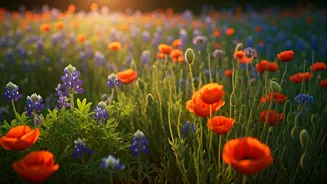
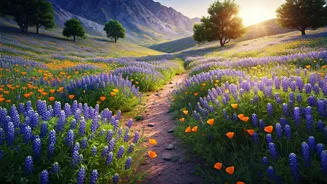
For an experience that’s truly effortless, you can’t beat the Texas Hill Country in spring. From late March through April, the roadsides and pastures explode with a sea of bluebonnets, Indian paintbrushes, and other wildflowers. This isn’t a trip about destinations; it’s about the journey. The “exhausting” part is nonexistent because the main event happens from the comfort of your car. Map a route through towns like Brenham, Fredericksburg, and Burnet—the “Bluebonnet Capital of Texas”—and let the scenery unfold. You can pull over at designated wildflower farms or safe spots on the roadside for photos, but the core activity is simply driving and looking. It’s the ultimate scenic-route vacation.
The Tulip Fields of Skagit Valley, Washington
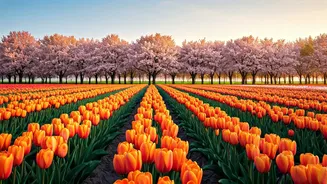
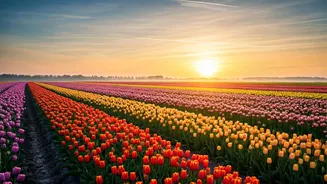
About an hour north of Seattle, the Skagit Valley transforms into a miniature Netherlands each April. The annual Tulip Festival celebrates acres upon acres of meticulously planted, brilliantly colored tulips that stretch to the horizon. While popular, the experience is inherently calm. You drive between various farms, like RoozenGaarde and Tulip Town, park, and then wander through vast, flat fields. There are no hills to climb or complex itineraries to follow. The visual impact is immense—a pure, overwhelming dose of color—but the physical demand is negligible. It’s a perfect day trip or weekend escape for anyone in the Pacific Northwest seeking beauty without the burnout.
California’s Surprising Desert Superbloom
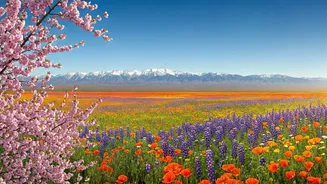
A desert superbloom is a rarer, more magical event, typically occurring after a wet winter. Places like Anza-Borrego Desert State Park or Antelope Valley California Poppy Reserve can become carpeted in a riot of color. While timing is less predictable, a successful trip is incredibly rewarding. The beauty of a desert bloom trip is its simplicity. You’re there to witness a fleeting natural wonder. Much of the viewing can be done from designated trails, visitor center overlooks, or scenic drives that snake through the park. It’s a powerful reminder that the most stunning sights don’t always require the most strenuous effort to reach. Check park websites for bloom forecasts before you go.