



The Clutter-Free Dream
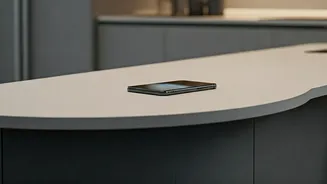
Imagine a kitchen island with a smooth, uninterrupted surface. No tangled wires, no bulky charging pads, no searching for an open outlet. You simply place your smartphone on a designated spot on the quartz or wood countertop, and it begins to charge as
if by magic. This isn't a futuristic fantasy; it's the reality of 'invisible' integrated charging, a technology rapidly making its way into high-end kitchen designs. By embedding wireless charging transmitters beneath the surface of the island, designers are creating a truly seamless and functional centerpiece for the modern home. The result is a clean aesthetic that finally matches the high-tech functionality we expect in our daily lives.
How 'Invisible' Charging Works
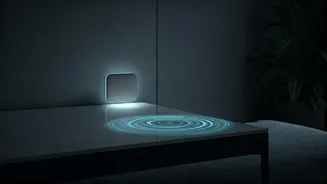
The technology behind these smart stations is an advanced form of Qi wireless charging, the same standard used in most modern smartphones. However, instead of a small pad that sits on top of your counter, powerful transmitters are mounted directly underneath it. These units are designed to send a magnetic field through several centimeters of solid material, like quartz, granite (non-metallic), marble, or wood. When you place your phone on the surface directly above the transmitter, the field induces a current in your phone's receiving coil, charging its battery. To guide the user, a subtle, often lightly etched or illuminated symbol is placed on the countertop to mark the charging 'hotspot.' The installation is permanent and done by a professional during the island's construction or renovation, ensuring no visible wires or hardware.
Why Rounded Islands Are the Perfect Fit
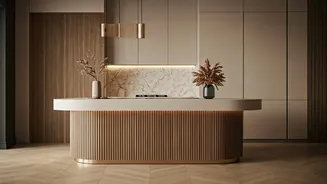
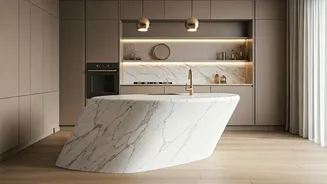
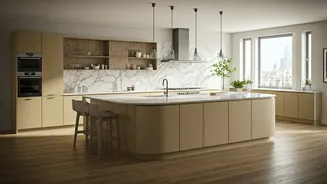
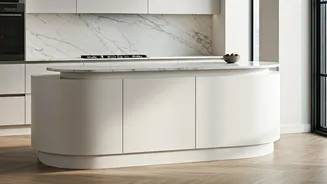
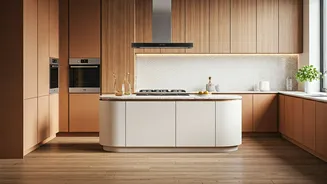
While this technology can be installed in any island, it has found a natural home in rounded and curved designs. The soft, flowing lines of a rounded island are all about creating a more social, communal, and accessible space. Sharp corners are eliminated, encouraging better traffic flow and inviting people to gather around. The 'invisible' charging concept perfectly complements this ethos. It removes the last bit of visual and physical friction—the charging cable—reinforcing the island’s role as a clean, uncluttered hub for cooking, working, and socializing. The aesthetic is fluid, modern, and minimalist, where the technology serves the design rather than disrupting it.
The Pros and Cons to Consider
The primary advantage is undeniable: aesthetics and convenience. You get a completely clear countertop and the simple joy of dropping your phone down to charge. It protects your device from spills and keeps valuable counter space free for meal prep or entertaining. However, there are practical considerations. First, the cost is significantly higher than a standard countertop or a standalone charging pad, involving both the price of the charging unit and specialized installation. Second, charging speeds may be slightly slower than a direct-wired connection, though newer standards are closing this gap. Finally, the charging spots are fixed. You can't move them once they're installed, so placement must be carefully planned during the design phase to align with how you actually use your kitchen.
Is This Upgrade Right for You?
An integrated charging station is a luxury feature, best suited for those planning a significant kitchen renovation or a new build. If you value a minimalist aesthetic and are already investing in high-end finishes and smart home features, it’s a logical and impressive addition. For homeowners who despise cord clutter and see their kitchen island as a central command station for family life, the functional benefit can easily justify the cost. However, if you're on a tight budget or prefer the flexibility of moving your charging locations, traditional solutions might still be the more practical choice for now. It’s a feature that signals where kitchen design is heading: a future where technology is powerful, helpful, and completely hidden from view.