






The Dawn of the 'Heat Escape'
This isn't your typical, planned-for-months summer vacation. This is the 'heat escape'—a reactive, often last-minute trip born of desperation. Travel data increasingly shows a direct correlation between spiking temperatures in major metropolitan areas
and a surge in searches for getaways to cooler destinations. During a blistering heatwave in Texas, for example, search traffic for rentals in the mountains of Colorado or the milder climes of the Upper Midwest can jump significantly. Unlike traditional tourism, the primary goal isn't sightseeing or adventure; it's physiological relief. People aren't just looking for a change of scenery; they're looking for a change in degrees. This emerging travel category is less about leisure and more about temporary climate migration, a short-term solution to a long-term problem.
Why Your City Feels Like an Oven
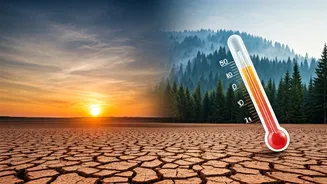
The feeling of being 'pushed out' by the heat isn't just psychological. It’s a physical phenomenon amplified by modern urban design. Cities are victims of the “urban heat island” effect, a term scientists use to describe why metropolitan areas are significantly warmer than their rural surroundings. Dark surfaces like asphalt roads and rooftops absorb and retain solar radiation, while concrete buildings create canyons that trap hot air and block cooling winds. Furthermore, the lack of green spaces—parks, trees, and grass—means there's less natural cooling from shade and evapotranspiration. On a 90°F day, the EPA notes that the surface of a black roof can be more than 50 degrees hotter. When the ambient temperature climbs to 104°F, that effect becomes unbearable, turning a walk to the grocery store into a genuinely hazardous activity and making a getaway feel less like a luxury and more like a necessity.
America's New Cool Corridors
So, where are people going? The destinations are often predictable, following what you might call 'cool corridors.' For residents of Phoenix and Las Vegas, it’s a drive north to the higher altitudes of Flagstaff, Arizona, or east to the coastal breezes of Southern California. For those sweltering in Dallas or Houston, it might mean a trip to the Ozarks in Arkansas or even the Great Lakes region. These aren't necessarily glamorous, five-star resort trips. Often, they involve renting a simple cabin, staying in a modest motel, or visiting family in a more temperate state. The key criteria are simple: lower temperatures, accessible nature, and breathable air. This trend is creating new seasonal economies in formerly quiet towns, which are suddenly becoming hotspots for heat-weary urbanites seeking refuge for a long weekend or even a week.
The Ripple Effects of Fleeing the Heat
This climate-driven migration has complex consequences. For the destination towns, the influx of visitors is an economic boon, boosting local businesses from restaurants to rental agencies. However, it can also strain local infrastructure, from water supplies to traffic, that wasn't designed for seasonal population booms. More profoundly, the rise of the heat escape highlights a growing form of climate inequality. The ability to drop everything and pay for gas, lodging, and food for a few days is a privilege. Those without the financial means, flexible work schedules, or physical ability to travel are left behind to endure the worst of the heat, often in neighborhoods with the least green space and oldest infrastructure. This creates a society of climate 'haves' and 'have-nots,' where the wealthy can buy their way to comfort while others are forced to bear the brunt of an increasingly hostile environment.