




Understand the Monsoon Itself
Before you even think about packing, it's crucial to understand what a monsoon truly is. It's not just a few weeks of extra rain; it's a large-scale, seasonal shift in wind patterns that brings prolonged, torrential downpours to a region. While this phenomenon
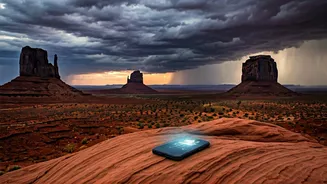
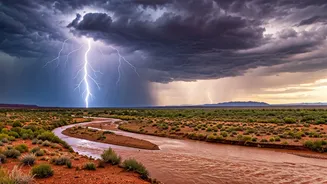
is most famously associated with South and Southeast Asia, a significant monsoon season also occurs in the American Southwest, impacting states like Arizona, New Mexico, and Utah from June through September. These weather systems are powerful and unpredictable, capable of turning a dry creek bed into a raging river in minutes. The 'off-season' prices that often accompany this time of year are a direct reflection of the heightened risk and potential for widespread disruption.
Your Trip Begins with Research, Not a Ticket
The most critical phase of monsoon travel happens at your desk. Start by researching the specific patterns for your destination. When does the season typically peak? Which areas are most prone to flooding or landslides? Government travel advisories, like those from the U.S. Department of State, are an essential resource, often providing specific warnings about infrastructure risks during rainy seasons. Look at travel insurance policies with a magnifying glass. Ensure your plan covers trip cancellations or interruptions due to severe weather events. Many basic policies have exclusions for 'acts of God,' so you may need to purchase a more comprehensive 'Cancel For Any Reason' (CFAR) plan, which offers greater flexibility if conditions on the ground deteriorate.
Prioritize Alerts Over Itineraries
This is the core of safe monsoon travel. Your beautifully planned itinerary is secondary to the real-time information you receive. Before you go, identify and sign up for all relevant alerts. If traveling internationally, enroll in the Smart Traveler Enrollment Program (STEP), a free service that allows the U.S. Embassy to notify you in an emergency. On a local level, find the official meteorological service for your destination country or region and see if they have an app or a social media account that pushes out warnings. Domestically, the National Weather Service is your best friend. Set up phone alerts for flash flood warnings, severe thunderstorm warnings, and any other relevant advisories for the specific counties you'll be visiting. Your phone buzzing with an alert should be an immediate call to action, not a minor annoyance to be swiped away.
Pack for Utility, Not Just Vacation
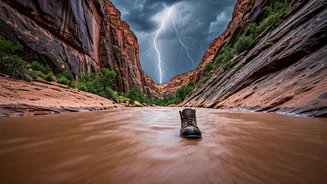
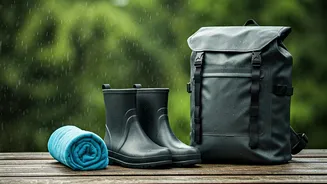
Your suitcase should look less like a beach holiday and more like a field kit. Absolutely essential items include a high-quality waterproof rain jacket and pants—not a flimsy poncho. Pack footwear with excellent grip that you don't mind getting soaked; waterproof hiking boots or sturdy sandals are good options. Given the risk of power outages, a fully charged power bank is non-negotiable. Add a reliable headlamp or flashlight. Quick-dry clothing made from synthetic materials is far superior to cotton, which stays wet and cold. Finally, a basic first-aid kit with antiseptic wipes, bandages, and water purification tablets can be a lifesaver, especially if road closures temporarily cut you off from services.
On the Ground: Be Flexible and Humble
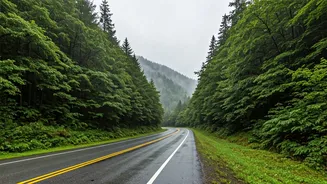
Once you've arrived, the golden rule is to respect the power of the weather. Never, ever attempt to drive or walk through a flooded road. It's impossible to tell the depth of the water or the condition of the road beneath it. In the American Southwest, this is particularly true for normally dry washes, which are notorious for flash floods. Listen to local advice. If a guide, hotel owner, or official tells you a trail is closed or a road is unsafe, believe them. Be prepared to change your plans at a moment's notice. The waterfall you wanted to hike to might be inaccessible, but your safety is more important. A rigid itinerary is a liability; a flexible, safety-first mindset is your greatest asset.