




Why Plant Safety Suddenly Matters
Not long ago, the biggest concern for a new plant owner was keeping their fiddle-leaf fig alive. Today, as millions more people embrace indoor gardening, the conversation has shifted. With a surge in pet adoptions and more time spent at home, households
are rightfully asking: Is that beautiful new plant safe? The answer isn't always simple. Many of the most popular and easy-to-grow houseplants contain compounds that can be toxic if ingested by curious pets or toddlers. While fatality is rare, accidental ingestion can lead to everything from mild mouth irritation and stomach upset to more severe symptoms requiring a costly and stressful trip to the veterinarian. Understanding the difference between safe and unsafe plants is the first step to creating a home that is both green and secure.
Go-To Favorites: The Safe List
If you want the beauty of houseplants without the worry, start with species that are widely recognized as non-toxic to dogs and cats by authorities like the ASPCA. These plants are excellent choices for homes with four-legged friends or young children.
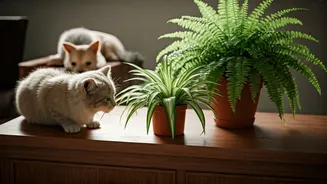
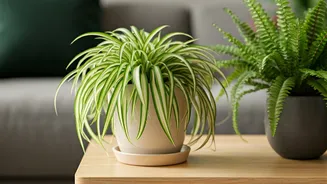
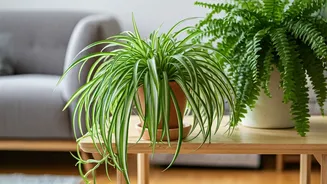
* Spider Plant (Chlorophytum comosum): Famous for its air-purifying qualities and arching leaves, the spider plant is a resilient and completely safe option. It’s a classic for a reason.
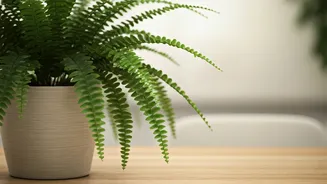
* Boston Fern (Nephrolepis exaltata): With its lush, feathery fronds, the Boston Fern adds a touch of elegance and is perfectly safe for all members of the family.
* Calathea (Prayer Plant family): Known for their stunning, patterned leaves that fold up at night, Calatheas are non-toxic and add a dramatic flair to any room.
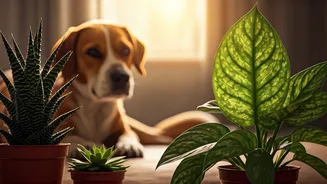
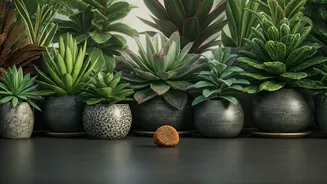
* Haworthia (Zebra Plant): Often mistaken for a mini-aloe, this striking succulent is a much safer alternative, as it lacks the compounds that make many aloe species toxic to pets.
Common Plants That Require Caution
Many of the trendiest plants on social media and in garden centers are unfortunately on the toxic list. “Toxic” can mean different things, from causing mild irritation to being life-threatening. The key is to know the risk.
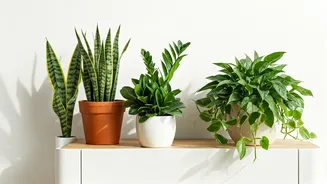
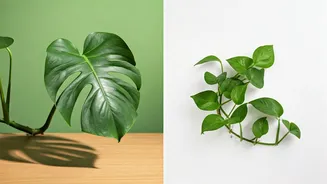
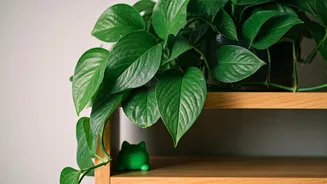
* Pothos & Philodendron: These vining favorites contain insoluble calcium oxalate crystals. Chewing on them can cause intense oral pain, swelling, drooling, and vomiting. They're rarely fatal but extremely unpleasant.
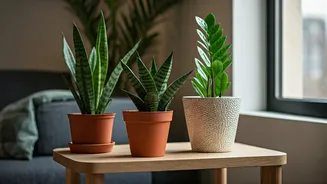
* Snake Plant (Sansevieria trifasciata): While only mildly toxic, a snake plant can cause nausea and diarrhea in pets if they eat enough of it. It’s best kept out of reach.
* ZZ Plant (Zamioculcas zamiifolia): Like Pothos, the hardy ZZ Plant contains calcium oxalate crystals, leading to similar symptoms of oral irritation if chewed.
* Lilies (Lilium & Hemerocallis species): This is a critical one for cat owners. Many types of lilies, including Easter, Tiger, and Daylilies, are extremely toxic to felines. Ingesting any part of the plant, including the pollen or water from the vase, can cause rapid kidney failure and death. Dogs may only experience minor upset, but for cats, these are a non-negotiable danger.
Creating a Safe Green Space
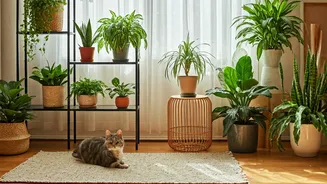
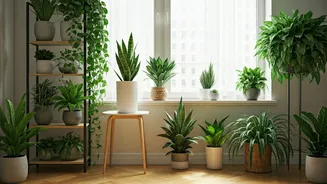
You don't necessarily have to get rid of a beloved but moderately toxic plant. Smart placement is key. Use hanging planters, high shelves, or designated plant rooms to keep potentially hazardous greenery out of reach of curious paws and hands. For floor plants, consider using decorative plant stands that elevate them just enough to be out of a small pet's or toddler's direct path. It’s also helpful to provide your pets with their own safe greens, like cat grass, to give them a designated, healthy plant to chew on. This can redirect their curiosity away from your decorative foliage. A little strategic planning allows you to enjoy a wide variety of plants responsibly.
What to Do in an Emergency
If you suspect your pet or child has ingested a plant, don't wait for symptoms to appear. First, remove any remaining plant material from their mouth. If possible, identify the plant—taking a quick photo can be very helpful for experts. Then, immediately contact your veterinarian, your local emergency vet, or a poison control hotline. The two most trusted resources are the ASPCA Animal Poison Control Center at (888) 426-4435 and the Pet Poison Helpline at (855) 764-7661. For human poison control, call (800) 222-1222. These services are available 24/7, but be aware that a consultation fee may apply for the pet-specific hotlines.