





The Roots of the New Green Rush
The data tells a story that many are already feeling: a deep, resurgent desire to get our hands dirty. While gardening has always had its devotees, the recent explosion in interest, particularly in urban areas, is unprecedented. This isn't just about
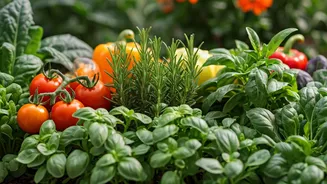
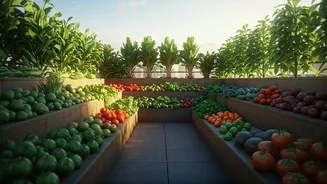
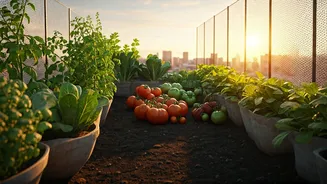
a few new tomato plants; it's a cultural phenomenon. Experts point to a confluence of factors that began simmering during the pandemic and have now boiled over into a sustained movement. Heightened awareness around food supply chains, a collective search for stress-reducing hobbies, and a growing consciousness about sustainability have all fueled the fire. For city dwellers, who are often detached from food production, urban gardening offers a tangible way to reclaim a piece of it. It’s an act of resilience and a source of profound satisfaction, transforming a sterile balcony into a personal, productive oasis.
From Backyard to Browser Window
What makes this boom different is its digital backbone. In the past, learning to garden meant finding a local class or relying on a knowledgeable neighbor. Now, the classroom is wherever you have an internet connection. Prestigious universities, local botanical gardens, and seasoned horticulturalists are making their expertise more accessible than ever through free or low-cost online courses. This digital shift has democratized gardening knowledge, removing barriers of time, cost, and geography. A renter in a Brooklyn studio can now access the same high-quality soil science lecture as a homeowner in suburban Oregon. These self-paced courses allow aspiring gardeners to learn on their own schedule—watching a module on pest control during their lunch break or learning about container options late at night. The result is a more confident, informed, and ultimately more successful generation of new growers.
Your First Digital Harvest: What to Expect
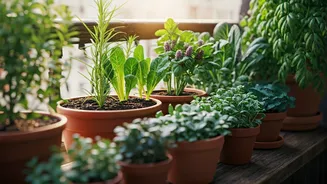
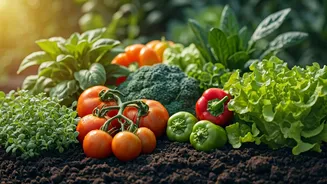
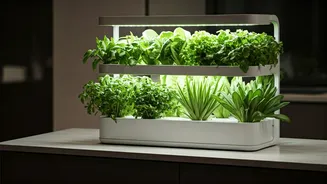
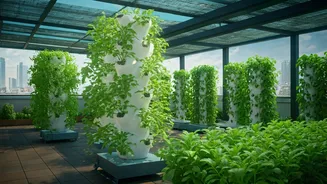
If you're one of the thousands signing up, what will you actually learn? Most foundational courses are designed specifically for the challenges and opportunities of small-space gardening. They skip the sprawling vegetable patch and focus on what’s practical. Core modules often start with the absolute basics: understanding light. You’ll learn the difference between direct and indirect sun and how to map your apartment’s “microclimates.” From there, you’ll dive into the world of containers, learning which pots are best for herbs versus fruiting plants like tomatoes. Soil is another major topic—courses demystify potting mix, compost, and fertilizer, teaching you how to create the perfect foundation for healthy roots. Finally, they guide you on plant selection, steering you toward high-yield, low-maintenance options like lettuce greens, basil, mint, and compact cherry tomato varieties that thrive on a patio.
How to Find Your Green Thumb Online
The sheer number of options can be overwhelming, but finding a quality free course is straightforward if you know where to look. Start with university agricultural extension programs. A simple search for “[Your State] University Extension gardening course” will often lead to a wealth of free, science-backed videos, articles, and even full certificate programs. These are among the most reliable resources available. Don’t overlook your local public library; many offer free access to educational platforms like Kanopy or Great Courses, which feature excellent gardening content. Major botanical gardens, such as the New York Botanical Garden or Chicago Botanic Garden, frequently post free webinars and tutorials on their websites and YouTube channels. Finally, there are many reputable “garden-fluencers” on YouTube who provide detailed, step-by-step guidance, but be sure to choose creators who are transparent about their methods and growing conditions.