


The Rise of 'Regret Energy'
Let’s be honest: 'Regret Energy' isn’t a scientific term, but we all know exactly what it means. It’s the physical and psychological toll of an indulgent meal. Physically, it’s the sugar crash that leaves you foggy and lethargic, the bloating that makes
you want to change into sweatpants, or the heavy feeling that seems to weigh you down for hours. Psychologically, it’s the whisper of guilt, the feeling that you’ve somehow 'failed' your wellness goals. In an era where we track our steps, sleep, and macros, the cost of a simple pleasure can feel disproportionately high. This isn’t just about calories. It’s about the desire to feel good, energized, and clear-headed, a state of being that a plate of greasy fries or a super-sized milkshake directly threatens. The demand isn't for 'diet food'; it's for indulgent food that respects our desire to function at a high level.
This Isn't Your Parents' Diet Food
For decades, the food industry’s answer to this was simple: take the fat and sugar out. The result was the joyless landscape of the ‘80s and ‘90s: chalky low-fat cookies, watery snacks, and bland diet sodas that were a pale imitation of the real thing. This created a culture of deprivation and restriction, where 'healthy' was synonymous with 'tasteless.' The new movement is a direct rebellion against that. Consumers are no longer willing to sacrifice flavor and texture. Instead, they’re asking for the impossible: the full sensory experience of richness without the biological fallout. The new holy grail is what industry insiders call 'permissible indulgence.' It’s not about restriction; it’s about renovation. It's about using food science and smart ingredients to build a better brownie from the ground up, one that delivers on satisfaction without demanding a tax on your well-being.
The Industry's New Playbook
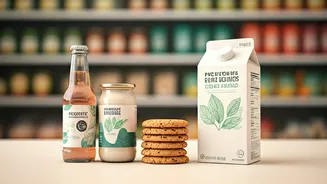
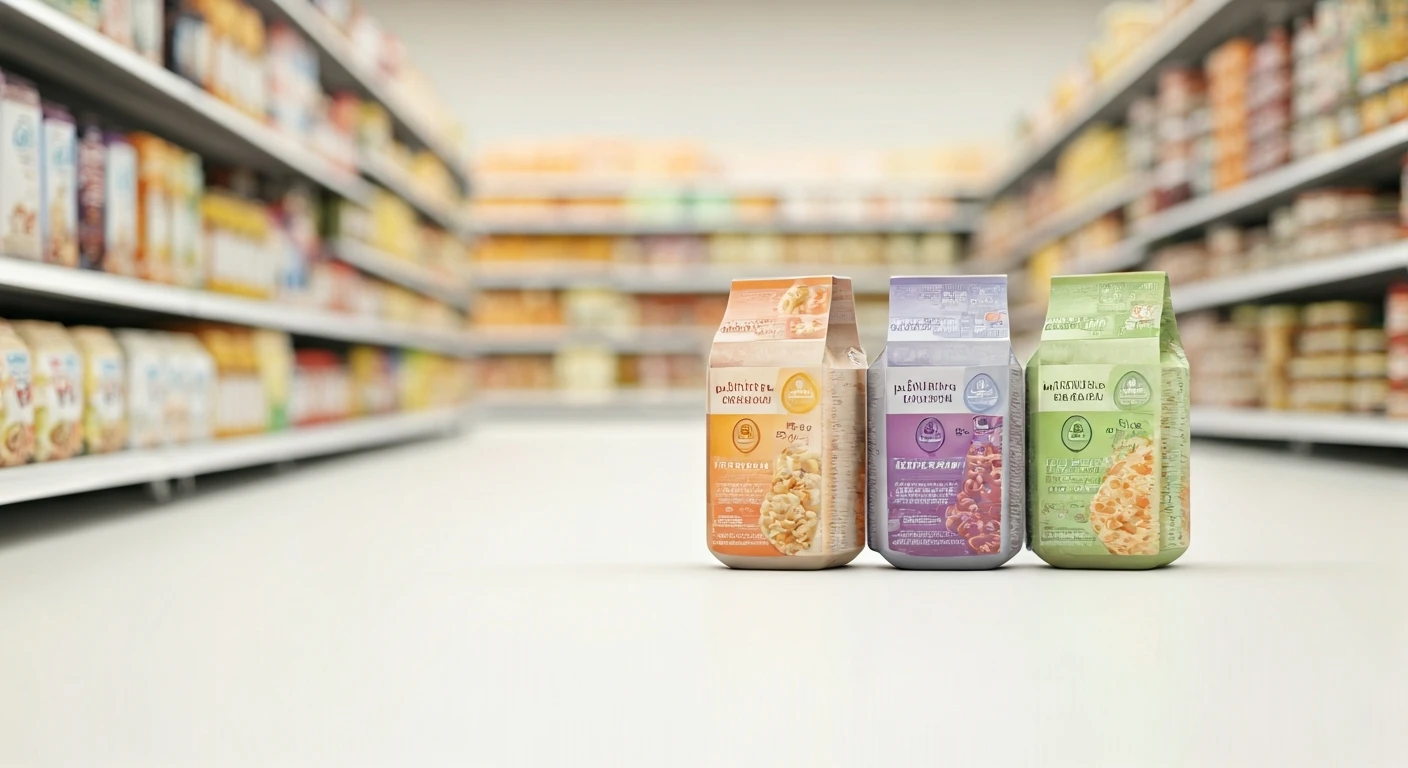
Food and beverage companies are scrambling to meet this demand, leading to a wave of innovation in the grocery aisle. The strategy is two-pronged: remove the bad, and in some cases, add the good. Sugar is public enemy number one. Instead of aspartame, brands are turning to natural, zero-calorie sweeteners like monk fruit and allulose, which don't spike blood sugar. Unhealthy fats are being replaced with plant-based alternatives, like avocado or coconut oil, to achieve a creamy mouthfeel. On the 'add-in' front, 'functional ingredients' are everywhere. A pint of ice cream might be fortified with 20 grams of protein to keep you full. A chocolate bar might contain adaptogens to help you de-stress. Cereals that taste like your sugary childhood favorites now boast high fiber and zero net carbs. Brands like Halo Top (ice cream), Magic Spoon (cereal), and countless protein bars that taste like candy bars have built empires on this very premise: all the fun, none of the regret.
How to Be a Savvy Indulger
Navigating this new world of 'healthy' indulgence requires a little bit of label-reading savvy. First, don't be fooled by front-of-package claims. 'Keto-friendly' or 'low-sugar' doesn't automatically mean 'healthy.' Flip it over and look at the ingredient list. Is it full of whole-food ingredients you recognize, or is it a long list of fibers, gums, and chemical compounds? Both can work, but it's good to know what you're eating. Pay attention to serving sizes, which can sometimes be deceptively small. Also, be mindful of sugar alcohols (like erythritol or maltitol), which can cause digestive issues for some people in large quantities. The goal is to find products that use clever formulation to create a genuinely satisfying experience, not just ones that mask a lack of substance with marketing buzzwords. The best products are those that taste great and leave you feeling just as great afterward.