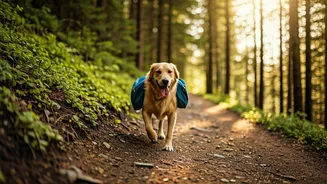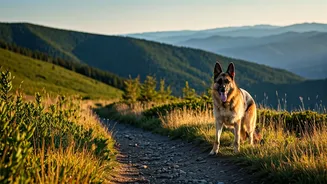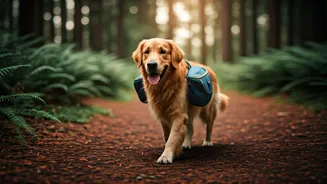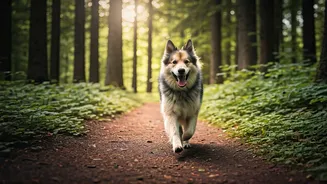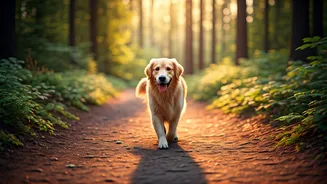




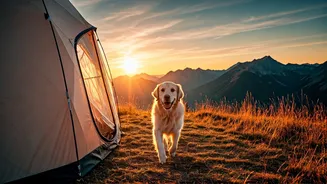


1. It's A Win for Total Family Bonding
For the 65 million American households that own a dog, pets aren’t just animals; they're family. The growing trend of pet-friendly recreation reflects this cultural shift. Leaving a dog at home can feel like leaving a child behind, creating a pang of guilt
that dampens the fun. When trails welcome dogs, they allow families to create memories together without exclusion. Watching your kids and your dog joyfully explore a forest path or splash in a mountain stream is a uniquely fulfilling experience. These shared adventures strengthen the bond between humans and their pets, integrating them more fully into the fabric of family life and turning a simple hike into a core memory for everyone involved.
2. What 'Pet-Friendly' Actually Means
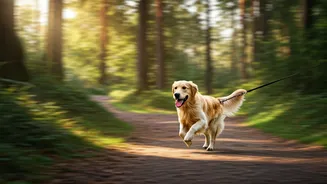
The term “pet-friendly” isn't a free-for-all. It comes with rules, and they vary significantly. In most National Parks, for example, pets are generally restricted to paved roads, parking lots, and developed campgrounds, with very few trails open to them. However, National Forests, Bureau of Land Management (BLM) lands, and most state and local parks are often far more accommodating. A truly 'pet-friendly' trail typically means dogs are welcome as long as they are leashed (usually a six-foot maximum) and under their owner’s control. It also comes with the non-negotiable expectation that you will pick up and pack out all pet waste. Always check the specific park or trail website before you go; don't assume the rules are the same everywhere.
3. The Unwritten Rules: Trail Etiquette 101
Beyond the official regulations, there’s a code of conduct that ensures a good experience for everyone. The first rule is yielding. Hikers with dogs should always yield the right-of-way to other hikers, especially on narrow trails. Step aside, hold your dog close, and let others pass. Second, not everyone loves dogs, and some people are afraid of them. Never allow your dog, even if friendly, to run up to strangers or other dogs without permission. Third, be mindful of wildlife. A barking or chasing dog can stress local fauna and disrupt the ecosystem you came to enjoy. Keeping your dog leashed and calm helps protect the natural environment and ensures you remain a welcome guest.
4. Essential Gear for Your Trail Dog
Hitting the trail with your pup requires more than just a leash. Packing a few key items will keep them safe, hydrated, and happy. Start with water and a collapsible bowl; dogs get thirsty just like we do, and they can't drink safely from every stream or puddle. Bring more water than you think you’ll need. Next, pack plenty of poop bags. The 'leave no trace' principle applies to pets, too, and packing out waste is mandatory. For longer or more rugged hikes, consider protective booties to shield their paws from hot ground, sharp rocks, or ice. A dog-specific first-aid kit with essentials like antiseptic wipes, bandages, and tweezers for ticks or thorns is also a smart addition to your pack.
5. How to Find Your Next Great Hike
So, you’re ready to hit the trail. How do you find places that will welcome your furry companion? Technology is your best friend. Apps and websites like AllTrails and BringFido have become indispensable tools for pet owners. They feature filters that allow you to specifically search for dog-friendly trails. User reviews often provide recent, on-the-ground intelligence about trail conditions, water availability, and whether a trail is truly suited for dogs. Beyond apps, the official websites for state parks, national forests, and regional conservation areas are the ultimate authority. Look for a “recreation” or “activities” tab, which will almost always have a section detailing their pet policy.