

Meet the Reigning King: Alphonso
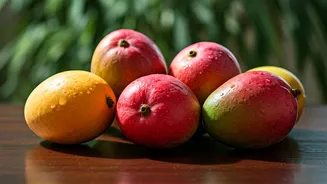
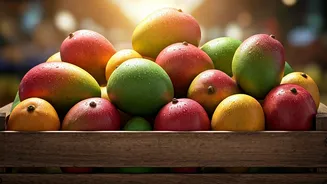
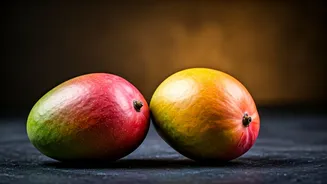
To understand the mango world, you have to start with the king. The Alphonso, or ‘Hapus’ as it’s known in India, is the undisputed heavyweight champion. Grown primarily in the coastal Konkan region of western India, the Alphonso is the mango that poets
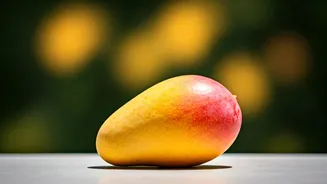
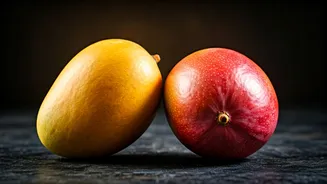
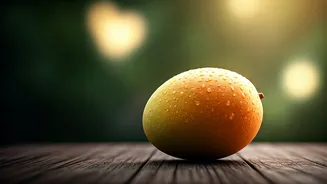
write about. It’s not just a fruit; it’s an event. What makes it so special? A perfect, almost buttery texture with absolutely no stringy fibers, a deep saffron-gold color, and a flavor that combines notes of honey, citrus, and something indefinably tropical. Its aroma alone can fill a room. For many, the Alphonso is the benchmark against which all other mangoes are judged. Its relatively short season and high price tag only add to its mystique, making it the luxurious, aspirational star of the mango universe.
The Supporting Cast: Kesar and Others
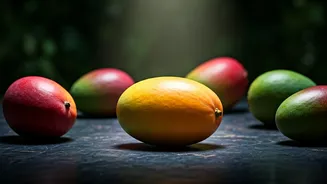
No main character exists in a vacuum. The Alphonso shares the stage with a strong supporting cast, most notably the Kesar mango from Gujarat. Often called the 'Queen of Mangoes,' the Kesar is prized for its intense sweetness and a pulp so vividly orange it’s named after saffron (*kesar*). It has its own loyal following, particularly for making juices and sweets. Other notable players include the fragrant Dasheri from the north and the sweet, round Chausa. This diverse lineup proves that ‘the best mango’ is often a matter of regional pride and personal taste. But for decades, if an Indian mango made it to American shores, it was almost always the famous Alphonso, leaving U.S. foodies with a very narrow understanding of a vast and delicious world.
The Challenger: Banganapalli Enters the Chat
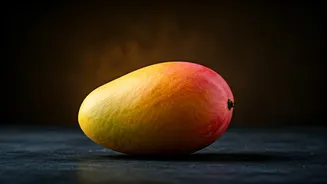
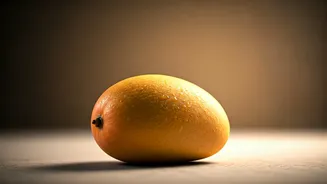
This is where our new protagonist comes in. The Banganapalli mango (also known as Benishan) is stepping into the spotlight, and for good reason. Hailing from the town of Banganapalle in the southern state of Andhra Pradesh, this mango is a completely different experience. For starters, it’s big—often weighing a pound or more. Its skin is a distinct, bright yellow and surprisingly thin. But the real magic is inside. The Banganapalli’s flesh is firm, fiber-less, and possesses a flavor that is a masterful balance of sweet and tangy. Where the Alphonso is an intense burst of sugary perfume, the Banganapalli is more elegantly balanced, with a clean, refreshing sweetness that doesn't overwhelm the palate. This makes it incredibly versatile—perfect for eating fresh, but also sturdy enough to be sliced into salads or used in savory dishes without turning to mush.
Why Is This Its Moment?
The Banganapalli isn't new; it has held a Geographical Indication (GI) tag in India since 2017, protecting its origin and quality. So why is it suddenly gaining traction in the U.S.? A few factors are at play. First, its sturdier nature and thicker skin make it a better traveler than the delicate Alphonso, meaning more of them arrive in good condition. As Indian grocery stores and specialty food importers have expanded across the U.S., they’ve begun to bring in a wider variety of produce to cater to a more discerning customer base. Food lovers are actively seeking new experiences, and the Banganapalli offers a flavor profile that is both accessible and distinct. It’s the mango for people who might find the Alphonso a bit too intense, offering a lighter, brighter, yet equally satisfying taste of Indian summer.