





More Than a Meal, It’s a Blueprint
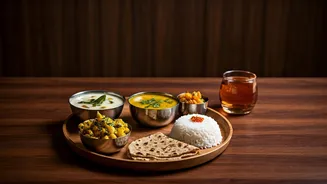
Before there were meal-prep subscriptions and build-your-own-bowl restaurants, there was the thali. The word itself simply means “plate,” but the concept is a masterclass in nutritional architecture. A traditional thali is a round platter that serves
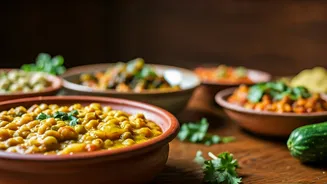
as a canvas for a constellation of small bowls, called katoris, each containing a different dish. This isn't a buffet; it’s a carefully curated system. The composition is no accident. It’s a complete meal that’s designed to provide a balanced array of macro and micronutrients in one sitting. You have carbohydrates from rice or roti (flatbread), plant-based protein from dal (lentils), vitamins and fiber from sabzi (cooked vegetables), and healthy fats from a touch of ghee. It’s a dietary blueprint that has nourished millions for centuries, long before anyone used the term “macros.”
A Symphony of Six Tastes
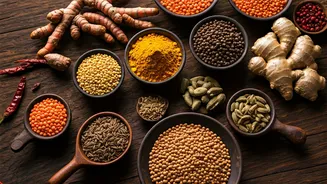
The quiet genius of the Indian plate goes beyond just nutrients. It delves into the realm of sensory satisfaction, guided by the ancient principles of Ayurveda. According to this traditional system of medicine, a truly balanced meal should contain all six tastes: sweet, sour, salty, pungent, bitter, and astringent. A typical thali accomplishes this effortlessly. You’ll find sweetness in the rice or a small dessert, sourness in yogurt or a tamarind-based dish, salt in nearly every savory component, pungency from ginger and chiles, bitterness from greens like fenugreek, and astringency from lentils or certain vegetables. The theory is that by satisfying all six flavor profiles, you not only get a wider range of plant compounds but also achieve a greater sense of satiety. This prevents the kind of post-meal cravings that send you searching for a bag of chips an hour later.
The Power of the Ensemble Cast
Unlike the Western focus on a single “hero” entree, the Indian plate is all about the ensemble. Each component plays a vital role. The dal, a humble lentil soup, is the protein powerhouse. The sabzi, a seasonal vegetable preparation, delivers essential vitamins and fiber. Rice or roti provides the sustained energy from complex carbohydrates. A small serving of dahi (yogurt) offers probiotics for gut health and a cooling counterpoint to spice. Finally, a tiny amount of achar (pickle) or chutney acts as a digestive aid and a flavor explosion, ensuring no bite is ever boring. This is a team effort. No single food has to do all the work, which means the system is inherently resilient and adaptable based on season, region, and availability.
Built-In Portion Control
The very design of the thali is an exercise in mindful eating. The use of small katoris naturally limits portion sizes. You get a little bit of everything, but not too much of any one thing. This encourages you to savor each distinct flavor and texture, rather than mindlessly consuming a large, homogenous bowl of food. The variety itself is a form of portion control. Because your palate is engaged by so many different tastes, you feel full and satisfied with a smaller overall quantity of food. It’s an elegant solution to the problem of overeating, built right into the dishware. It teaches an intuitive understanding of “enough” without the need for calorie counting apps or measuring cups.
Wellness Without the Hashtag
What makes the traditional Indian plate so relevant today is what it lacks: marketing. It’s not a diet, a cleanse, or a challenge. It has no celebrity spokesperson or trendy branding. It is simply a way of eating that has evolved over generations to be nourishing, sustainable, and deeply satisfying. It embodies principles that modern wellness is only now catching up to—plant-forward eating, gut health, variety, and intuitive portioning. It proves that a commitment to well-being doesn't have to be performative or expensive. It can be as simple as what’s on your plate, a quiet, daily practice of balance and pleasure.