


The End of the Grind Era
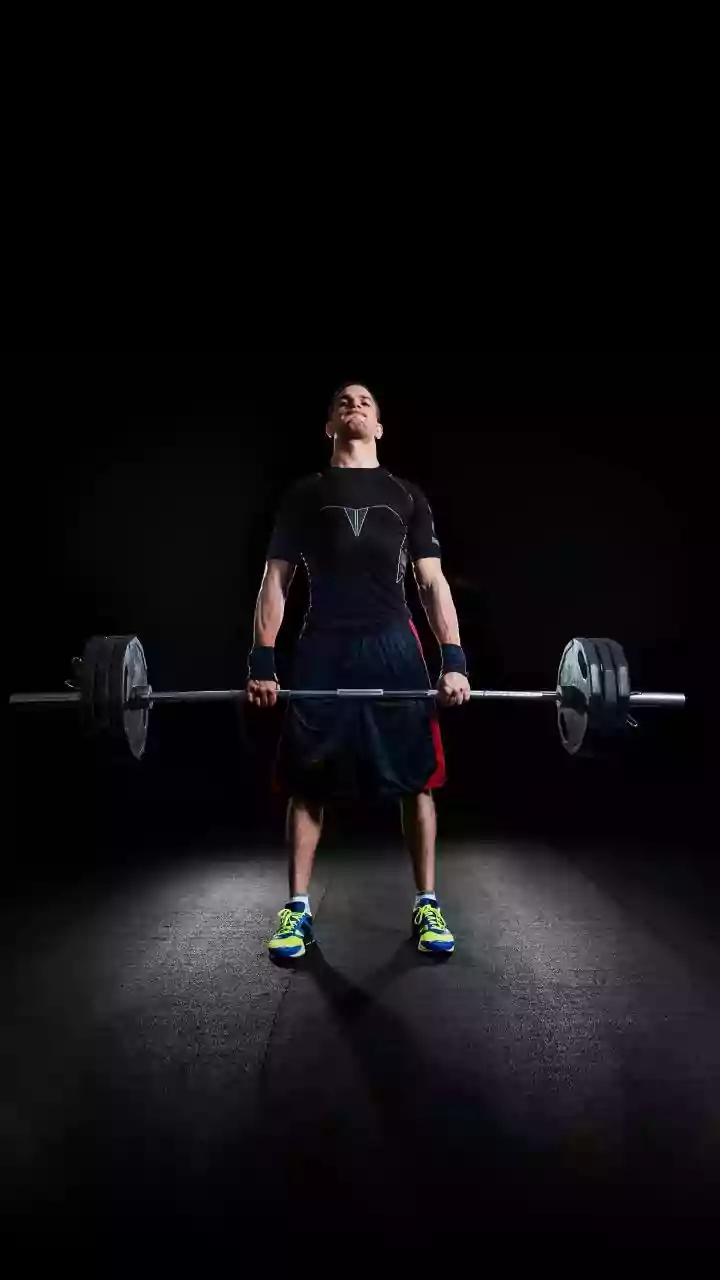
Remember the fitness culture of the 2010s? It was defined by high-intensity interval training (HIIT), before-and-after photos, and the mantra of “no pain, no gain.” Success was measured in sweat, sore muscles, and how closely your abs resembled a celebrity’s.
The goal wasn't just to be fit; it was to look like you were conquering a bootcamp every single day. This aesthetic-driven, all-or-nothing approach sold millions in gym memberships and diet plans, but it also left a trail of burnout, injury, and disillusionment. For many, exercise felt like a chore at best and a form of self-flagellation at worst. If you couldn't keep up with the punishing pace or didn't see dramatic physical changes, it was easy to feel like a failure and quit altogether. This model was built on extremes, and as we're now discovering, extremes are rarely sustainable.
From Performance to Peace of Mind
So what changed? A few things. The pandemic was a major catalyst, forcing people off the gym floor and into their living rooms, neighborhoods, and their own heads. Locked down, many Americans started walking, stretching, and simply moving their bodies to cope with anxiety and isolation. This sparked a collective realization: movement could be a tool for mental clarity, not just physical transformation. This shift coincided with a growing public conversation about mental health and burnout. Suddenly, the idea of adding a stressful, punishing workout to an already stressful life seemed absurd. The new question wasn't, “How can I burn the most calories?” but, “What does my body and mind actually need today?” The focus began pivoting from short-term aesthetic goals to long-term well-being and sustainability.
What 'Realistic' Fitness Actually Looks Like
The new, more realistic fitness landscape is defined by accessibility and gentleness. Take the rise of the “hot girl walk,” a simple concept of walking a few miles outdoors while listening to a podcast or music. Or “cozy cardio,” where people use a walking pad at their desk or gently pedal a stationary bike while watching their favorite show. There's also a renewed focus on foundational, less glamorous practices: mobility work to ensure joints stay healthy, strength training for longevity and bone density, and low-impact activities like swimming and Pilates. The common thread is the removal of guilt and intimidation. This approach celebrates consistency over intensity. It’s about building a habit of movement that feels good and supports your life, rather than dominating it. It’s the difference between forcing yourself to do something you hate and finding a way to enjoy being active.
The New Metrics for Success
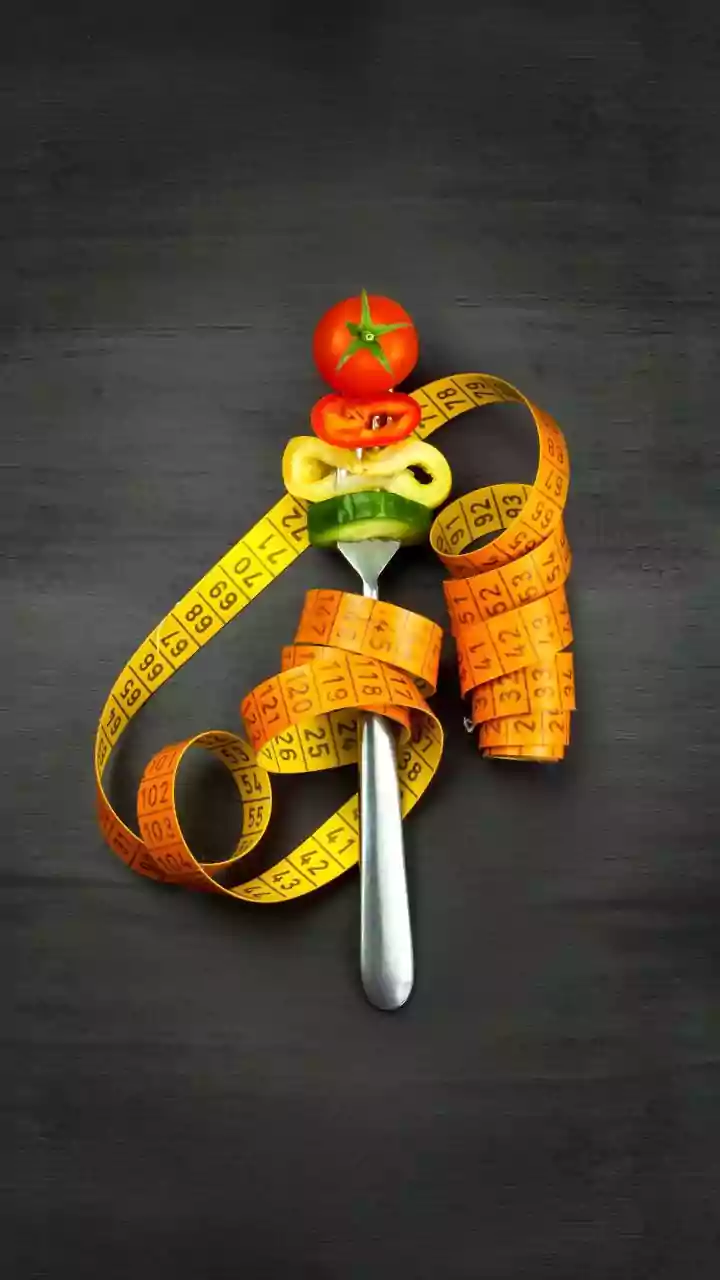
If six-pack abs and a plunging number on the scale are no longer the ultimate prizes, how do we measure success? The metrics are becoming more personal and internal. For some, success is finally getting a full night of quality sleep. For others, it's having the energy to play with their kids without getting winded, or the strength to carry all the groceries in one trip. The new benchmarks are often feelings, not figures: feeling less anxious after a walk, feeling the quiet confidence that comes from getting stronger, or simply feeling more at home in your own body. This redefines fitness from a performative act for others into a private act of self-care. It’s about building a body that *works* well and a mind that *feels* well, regardless of what it looks like in a mirror or on social media.