
The Preemptive Strike: Your First Line of Defense
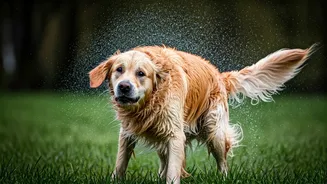
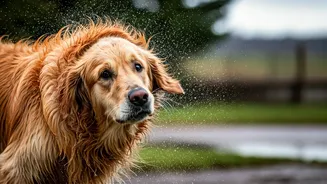
The best way to manage a wet, muddy dog is to minimize the mess before it even happens. Think of your front door or mudroom as your command center. First, create a dedicated 'drying zone.' Lay down old towels or highly absorbent mats specifically for this
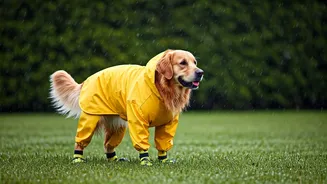
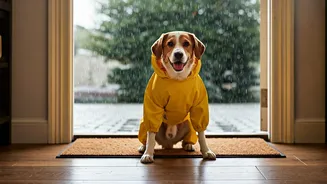
purpose. Have your tools ready and within arm's reach: a stack of super-absorbent microfiber towels (which soak up more water than standard cotton), a paw plunger or a pack of heavy-duty pet wipes, and treats to reward a patient pup. Outfitting your dog can also make a world of difference. A waterproof dog jacket not only keeps their core dry and warm but also drastically reduces the amount of fur you’ll need to towel off. For dogs who tolerate them, waterproof booties are the ultimate weapon against muddy paws, containing the mess entirely.
Mastering the Doorway Triage
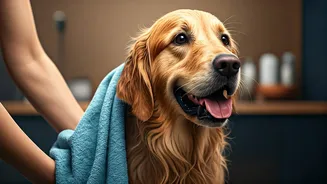
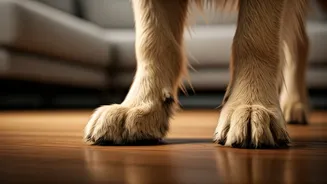
The moment you both step back inside is critical. Train your dog to pause in the designated drying zone immediately upon entering. This simple 'wait' command prevents them from tracking mud and water through the house while you get to work. Start with the paws. A 'paw plunger'—a silicone-bristled cup you fill with a little water—is a game-changer for getting dirt out from between their pads. Alternatively, a damp microfiber cloth can do the trick. Work from the paws up. After the feet are clean, use a large, dry microfiber towel for a thorough body rubdown. Pay special attention to the underbelly, legs, and tail, which collect the most moisture and grime. For long-haired breeds, a quick once-over with a wide-toothed comb can help prevent matting before the fur begins to dry.
Drying Techniques and Banishing Odor
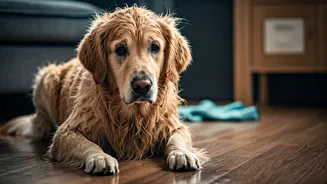
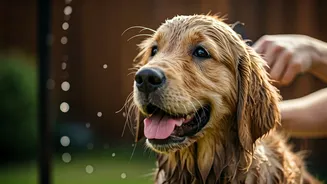
Towel drying is just the beginning. Lingering dampness is what leads to that infamous 'wet dog smell' and can even cause skin problems. The culprit behind the odor is the buildup of microorganisms like yeast and bacteria on your dog's skin, which flourish in moist conditions. A thorough drying is essential. For dogs comfortable with the noise, a high-velocity pet dryer is the most effective tool. Unlike human hair dryers, they don't use high heat, which can burn a dog's sensitive skin. Instead, they blast water off the coat. If you don't have one, keep your dog in a warm, well-ventilated room and continue to swap out damp towels for dry ones. To further combat odor between baths, consider using a waterless shampoo foam or a deodorizing pet spray formulated to neutralize smells, not just mask them. Regular brushing also helps by removing loose fur and debris that can trap moisture and odor-causing bacteria.
It's Not Just About Cleanliness
A consistently damp coat isn't just a nuisance; it's a health risk. Trapped moisture against the skin creates a perfect breeding ground for bacteria and yeast, potentially leading to painful skin infections, fungal issues, or pyotraumatic dermatitis, commonly known as 'hot spots.' After every wet walk, take a moment to do a quick skin check. As you're drying your dog, run your fingers through their fur, feeling for any unusual lumps, redness, or sensitive areas. Pay close attention to their ears, which can be prone to infection if water gets trapped inside. A gentle wipe with a vet-approved ear cleaning solution can help keep them dry and healthy. Also, inspect their paw pads for any cuts or abrasions that mud and grit may have hidden. Keeping your dog properly groomed—with nails trimmed and fur between the paw pads clipped short—reduces the surface area for mud to cling to and makes the cleaning process significantly easier.