


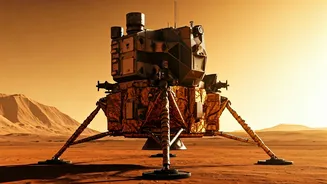


The New North Star: The Artemis Program
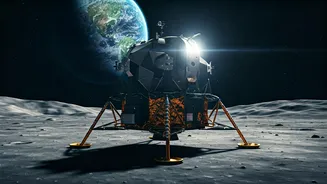
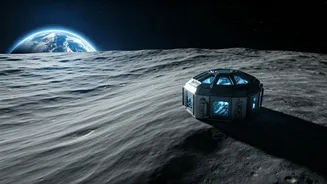
For years after the Space Shuttle’s retirement in 2011, America’s space ambitions felt abstract, a story told in grainy black-and-white footage. Today, that has fundamentally changed. NASA’s Artemis program, with its concrete goal of returning humans
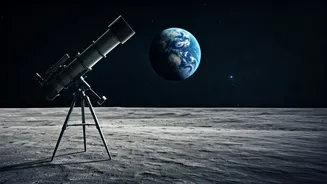
to the Moon—including the first woman and first person of color—has given this generation a tangible destination. It’s not a historical event to be studied; it’s a future they can help build. University aerospace engineering departments are seeing a surge in interest, with students citing Artemis as a primary motivator. Unlike the Apollo program, which was a Cold War sprint, Artemis is being framed as a sustainable, long-term project to establish a permanent human presence in deep space. This creates a clear career path, giving students a reason to believe that a job in the space industry isn't a long shot but a realistic and exciting possibility.
The SpaceX Effect and the Privateer Boom
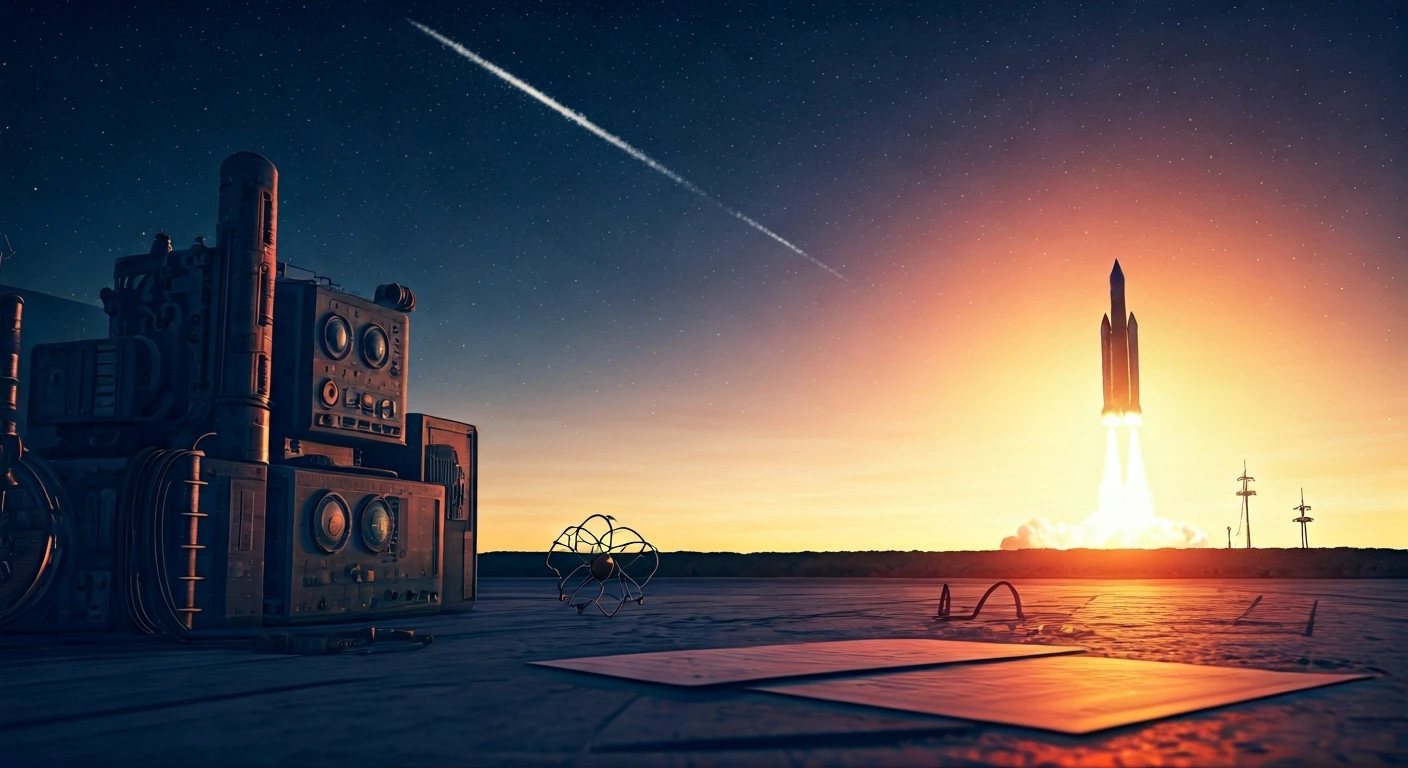
While NASA provides the foundational vision, the private sector has made space undeniably cool. The relentless launch cadence of SpaceX, the spectacle of reusable rockets landing upright, and the viral moments generated by Elon Musk have turned space exploration into a mainstream spectator sport. Students who grew up with smartphones and on-demand everything see the iterative, fast-paced innovation of companies like SpaceX, Blue Origin, and Rocket Lab as a natural extension of the tech culture they inhabit. This “New Space” movement has democratized access and interest. It’s no longer a monolithic, government-only enterprise. High schoolers can follow launch startups on social media, college students can apply for internships that put them hands-on with cutting-edge hardware, and the dream of working in space feels closer than ever.
Education Leaves the Classroom
The way students learn about space has also been revolutionized. The days of simply memorizing the planets are over. Today’s education is interactive, immersive, and accessible. Kerbal Space Program, a video game centered on orbital mechanics and rocket design, has arguably taught more physics to more kids than a thousand textbooks. High-schoolers are building and launching high-altitude balloons and CubeSats—miniature satellites—that once would have been the domain of government agencies. Teachers are using real-time data from the James Webb Space Telescope and live feeds from the International Space Station to make lessons feel immediate and relevant. This hands-on approach demystifies complex topics, turning abstract principles into tangible, problem-solving challenges that resonate with a generation raised on coding bootcamps and DIY tutorials.
More Than Just Astronauts
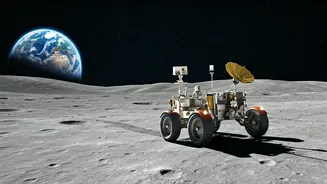
Crucially, this renewed love for space is broader and more inclusive than ever before. The focus has expanded far beyond the singular dream of becoming an astronaut. Students understand that a thriving space economy requires a vast ecosystem of talent. They are flocking to study computer science to write the software for autonomous rovers, materials science to develop next-generation alloys, and robotics to build the machines that will explore other worlds. There’s growing interest in fields like space law, which will govern lunar mining rights, and space medicine, which will tackle the challenges of long-duration human spaceflight. This diversification is critical. It means the current wave of enthusiasm isn't just about adventure; it’s about building the entire infrastructure of humanity’s future off-world, creating a robust talent pipeline for countless high-tech industries right here on Earth.