




A Glimpse into a Vanishing World
To understand the craft, you first have to understand the place. Majuli is the world’s largest river island, a lush, green landmass situated in the Brahmaputra River in the northeastern Indian state of Assam. It's a place of immense natural beauty and the heartland
of Assamese Neo-Vaishnavite culture. But it’s also a place under threat. Constant river erosion is shrinking the island year by year, lending a sense of precarity and preciousness to its traditions. This context adds a layer of depth to the viral videos; viewers aren't just watching a craft, they're getting a digital glimpse of a unique and vulnerable culture, preserved on a disappearing landscape. This narrative of fragility and resilience is a powerful, unspoken part of the content's appeal.
The Craft Is a Way of Life
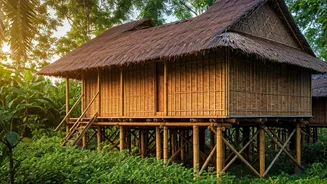
On Majuli, bamboo isn't just a material for making souvenirs; it’s woven into the very fabric of existence. For the island's indigenous communities, particularly the Mising people, bamboo is a fundamental resource used to build everything from stilt houses (chang ghars), designed to withstand annual floods, to furniture, fishing tools, musical instruments, and household utensils. The workshops that have gone viral aren't tourist-centric novelties but authentic hubs of generational knowledge. The artisans in these videos are often practicing skills passed down over centuries. What viewers see as a satisfying 30-second clip is the culmination of a lifetime of practice and a deep, symbiotic relationship with the natural environment. This authenticity cuts through the noise of manufactured online content.
The Sensory Pull of the Process
Much of the content’s viral nature comes down to its powerful sensory appeal, making it a perfect fit for platforms like Instagram and TikTok. The visuals are mesmerizing: the geometric patterns of the weave, the warm color of the natural fibers, and the fluid, expert movements of the artisan's hands. But the sound is just as important. The rhythmic tap-tap-tap of a knife splitting cane, the crisp swish of a strip being pulled smooth, the gentle creak of the bamboo as it's bent into shape—it all creates an organic, ambient soundtrack. This taps directly into the massive online trend of Autonomous Sensory Meridian Response (ASMR) and “oddly satisfying” content, where viewers find deep relaxation and pleasure in watching skilled processes and hearing textural sounds. It’s a digital dose of calm.
An Antidote to Modern Burnout
Ultimately, the viral success of Majuli's bamboo workshops speaks to a deeper cultural craving in Western audiences. In a world dominated by mass production, plastic, and digital abstraction, these videos offer a powerful antidote. They showcase something real, tangible, and sustainable. They celebrate slow, deliberate work performed by a human hand, not a machine. For viewers stuck in fast-paced jobs and surrounded by disposable goods, watching someone create a beautiful, functional object from a natural, renewable resource is aspirational. It represents a connection to nature, tradition, and a more grounded way of living that feels increasingly out of reach. The videos aren’t just about bamboo; they’re about a desire for authenticity in an inauthentic age.