

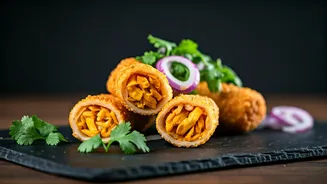


First, Meet the Original Dabeli
Before we get to the twist, let’s talk about the classic. Imagine a snack that perfectly balances sweet, spicy, tangy, and savory all in one soft, handheld package. That’s Dabeli. Originating from the Kutch region of Gujarat, India, this is street food
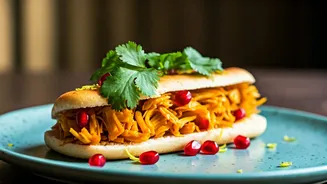
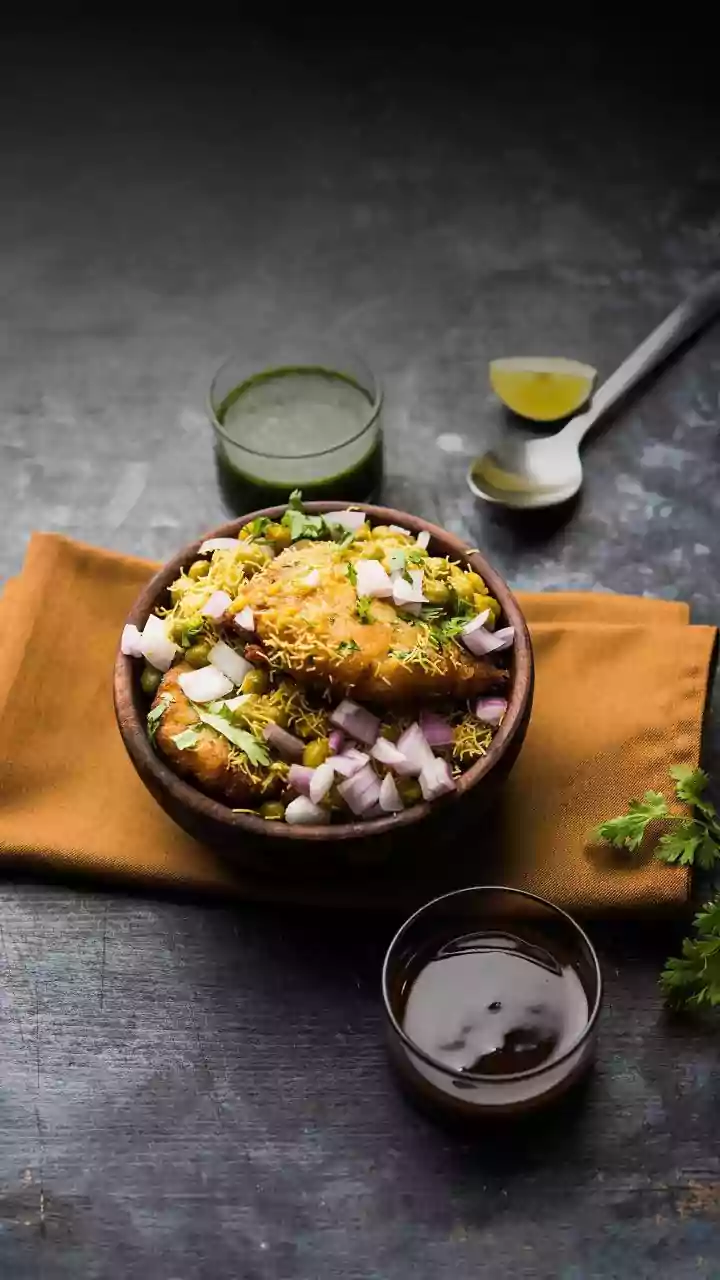
royalty. The heart of traditional Dabeli is a spiced potato filling. Boiled potatoes are mashed and cooked with a special, aromatic Dabeli masala—a complex blend of spices like cinnamon, clove, star anise, and red chili. This mixture is then tucked into a soft, pillowy *pav*, or white bread roll, that’s been toasted in butter. But the magic doesn't stop there. The sandwich is loaded with layers of flavor: a sweet chutney made from dates and tamarind, a fiery garlic chutney, and then garnished with crunchy roasted peanuts, vibrant pomegranate arils, and fine, crispy chickpea noodles called sev. It’s a textural and flavorful masterpiece, beloved across India for a reason.
The Plant-Based Plot Twist: Enter Jackfruit
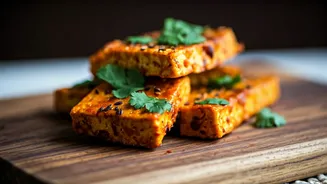
Now, here’s where the modern spin begins. While potatoes are already plant-based, the culinary world is constantly innovating. Enter young, unripe jackfruit, the darling of the plant-based scene. If you’ve only had sweet, ripe jackfruit, the unripe version is a completely different ingredient. When cooked, it has a remarkably shreddable, meat-like texture that’s incredibly versatile. Unlike potatoes, which have a starchy, soft consistency, jackfruit provides a more fibrous, satisfying chew, similar to pulled pork or chicken. Its other superpower is its neutral flavor profile; it’s a blank canvas that eagerly soaks up whatever spices and sauces you throw at it. By swapping potatoes for shredded jackfruit, chefs can create a Dabeli filling that still carries all the signature sweet and spicy notes of the masala but with a completely new and compelling texture. It’s a brilliant update that makes the dish feel both familiar and brand new.
Thinking Outside the Bun
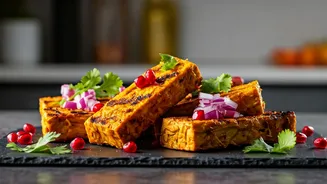
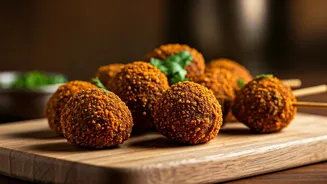
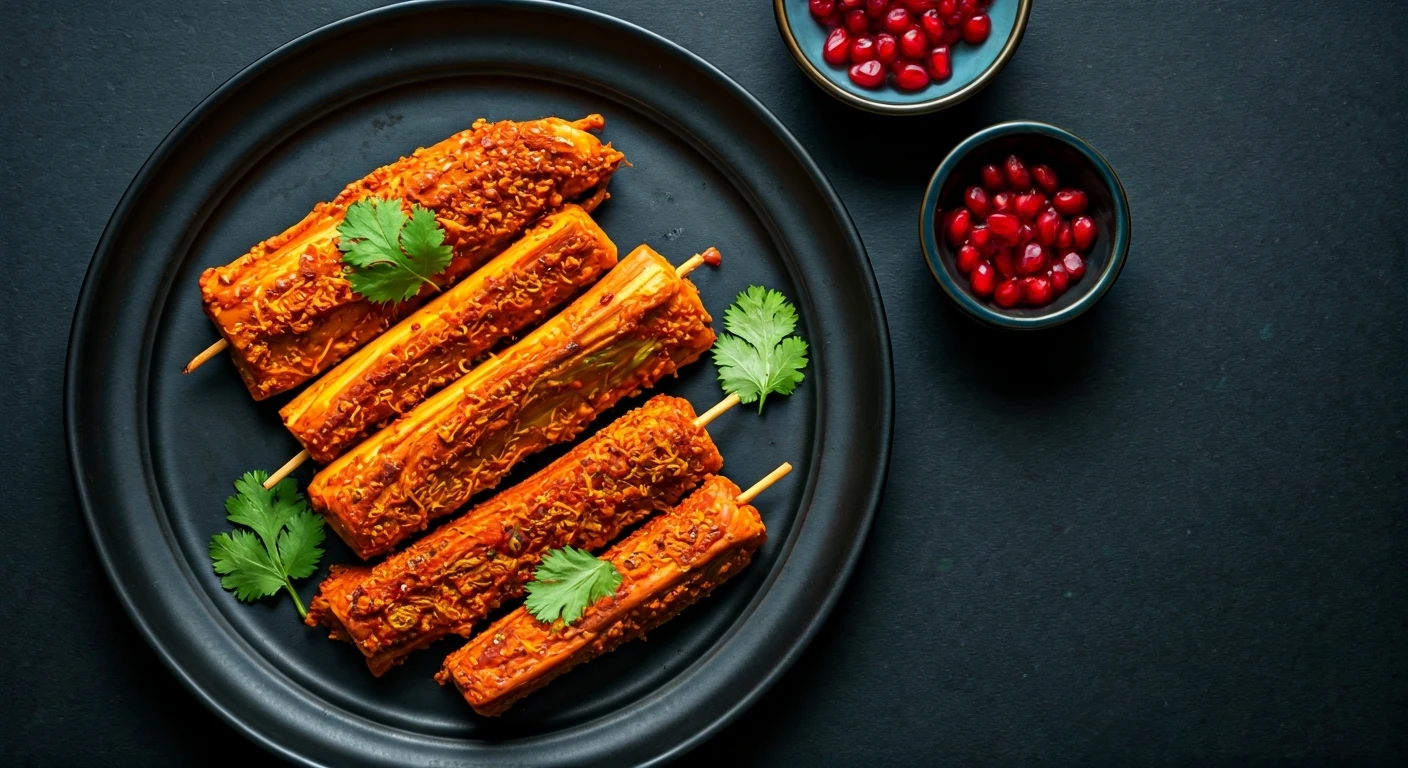
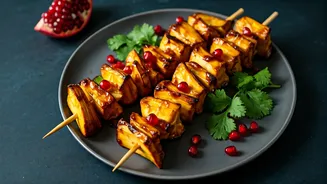
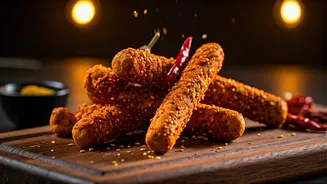
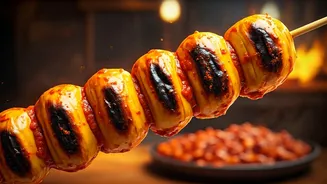
The most inventive part of this evolution is ditching the bun entirely. While the Dabeli pav is iconic, transforming the filling into “sticks” makes it a completely different kind of snack. This new format is all about portability and shareability. Chefs take the prepared jackfruit Dabeli mixture and form it onto skewers, much like a corn dog or a kebab. These sticks are then often coated in a crunchy layer—perhaps breadcrumbs, crushed sev, or even a light batter—before being fried or air-fried to golden perfection. The result is a self-contained, easy-to-eat finger food. You get all the complex flavors of Dabeli—the spicy, sweet, and tangy filling—encased in a crispy shell. It’s perfect for dipping, ideal for parties, and eliminates the potential messiness of a fully loaded sandwich. It’s Dabeli remixed for a modern, on-the-go lifestyle.
That Fiery Kick
Traditional Dabeli is all about balance. While it has a spicy element from the masala and garlic chutney, it’s always tempered by the sweetness of the tamarind-date chutney and the plainness of the potato and bun. The “fiery twist” in the jackfruit stick version often means creators are turning up the heat. This modern interpretation tends to lean into the spice, catering to a growing demand for more intense and bold flavors. The fire can come from several sources: adding more red chili to the Dabeli masala itself, using hotter varieties of peppers in the filling, or serving the sticks with a Sriracha-spiked mayo or a particularly potent ghost pepper chutney for dipping. This isn't just about making it hot for the sake of heat; it’s about creating a new flavor profile that cuts through the richness of the fried coating and complements the hearty texture of the jackfruit, delivering a memorable and exciting jolt to the palate.