
They Got a Fine-Dining Glow-Up
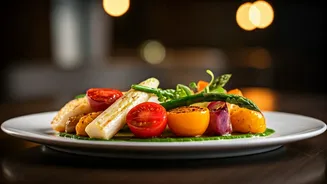
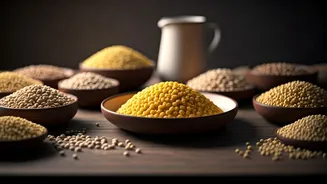
The biggest shift? Chefs at top-tier restaurants started treating humble beans and grains with the same reverence once reserved for prime cuts of meat. Suddenly, heirloom Corona beans weren't just filler; they were the creamy, luxurious base of a stunning
main course. Ancient grains like freekeh and farro, with their nutty, chewy textures, began replacing risotto on tasting menus. When a celebrated chef makes a simple bowl of lentils the most talked-about dish in the city, home cooks notice. This top-down validation gave everyone permission to see these ingredients not as a budget-friendly backup, but as a delicious, sophisticated choice in their own right.
Global Flavors Became Mainstream
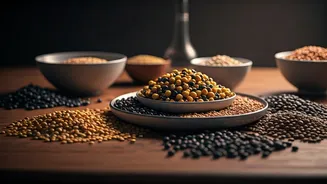
As American palates have grown more adventurous, we've embraced cuisines where grains and legumes have always been the stars. Think about the rise of chickpeas. They’re no longer just for a sad salad bar; they’re the foundation of creamy hummus, crispy air-fried snacks, and hearty Middle Eastern stews. Lentils shed their brownish-soup reputation and are now celebrated in fragrant Indian dals and rich French lentil salads. The popularization of global food hasn't just introduced new recipes; it's provided a library of time-tested techniques for making these ingredients sing with flavor, using spices, herbs, and acids to create deeply satisfying dishes.
The Plant-Based Boom Needed a Hero
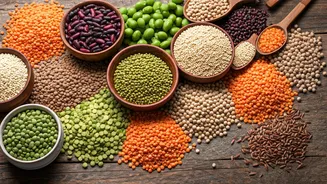
While lab-grown burgers get much of the hype, a quieter revolution has been happening with whole-food, plant-based eating. Grains and legumes are the undisputed heroes of this movement. They are nature’s original protein-and-fiber power couple. A single serving of black beans and quinoa provides a complete protein, packed with nutrients and fiber that keeps you full for hours. For people looking to eat less meat—for health, environmental, or ethical reasons—without resorting to hyper-processed alternatives, a well-stocked pantry of lentils, beans, and whole grains is the ultimate toolkit.
We Learned New Tricks
Perhaps the most important factor is that we’ve finally moved beyond just boiling them. The modern kitchen has unlocked a world of texture and flavor. Chickpeas are roasted until they’re impossibly crispy, perfect for scattering over a salad. Sorghum is popped like miniature popcorn for a crunchy topping. Black beans are blitzed into dense, fudgy brownies. Canned beans are mashed with garlic and olive oil for a lightning-fast, elegant dip. We’ve learned to toast our grains before cooking to deepen their nutty flavor and to finish our bean dishes with a drizzle of high-quality olive oil and a squeeze of lemon to make them bright and vibrant. These simple techniques transform the experience from mushy to magnificent.
Heirloom Varieties Are Everywhere
Just as we now seek out heirloom tomatoes, we're discovering the incredible diversity of the legume world. Companies like Rancho Gordo have almost single-handedly created a cult following for unique, flavorful beans—from the deep, chocolatey notes of the Good Mother Stallard to the creamy, delicate texture of the Cassoulet bean. These aren't your standard-issue canned beans. They offer distinct flavors, textures, and histories that make cooking with them a genuine adventure. This rediscovery of agricultural diversity adds a layer of culinary excitement and storytelling to what was once a commodity ingredient, turning a simple pot of beans into an experience.