



What Exactly Is a Home Cafe?
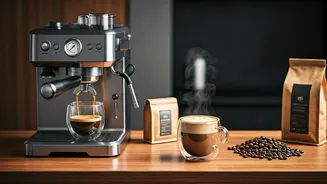
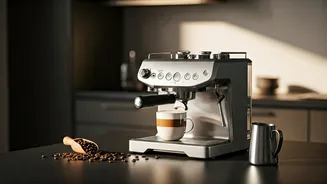
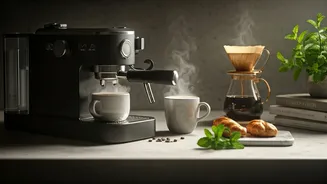
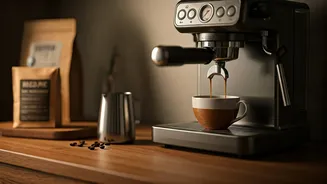
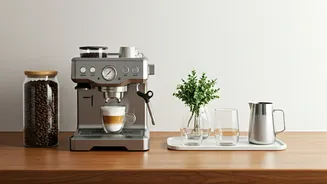
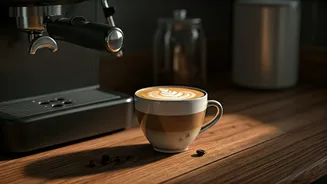
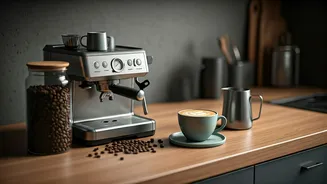
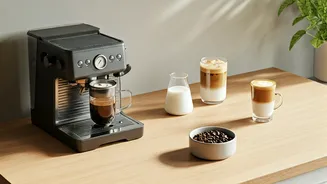
Forget the dusty drip machine in the corner of the kitchen. The “home cafe” is a dedicated, curated space for crafting coffee-shop-quality beverages. It’s an aesthetic ecosystem. Think sleek espresso machines from brands like Breville or De'Longhi, minimalist
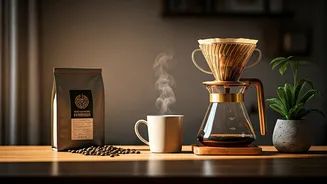
Fellow grinders, gooseneck kettles for precise pour-overs, and an arsenal of syrups, foams, and alternative milks. The experience is capped off with specific glassware—ribbed glasses, unique mugs, and reusable glass straws—all designed to make the final product look as good as it tastes. This isn't about simply brewing a cup of joe; it's about replicating, and often personalizing, the entire cafe ritual within the comfort of one’s own home. On platforms like TikTok and Instagram, the #homecafe tag boasts billions of views, showcasing everything from slow-motion espresso pulls to the satisfying clink of ice in a carefully prepared iced latte.
The Art of the 'Aesthetic Flex'
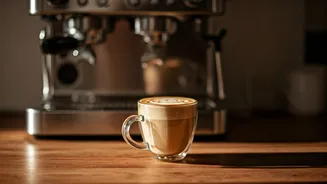
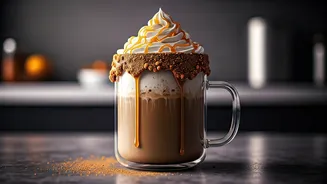
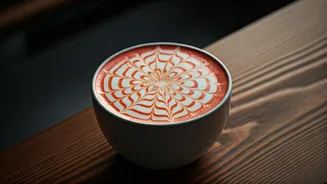
The term “flex” usually implies showing off wealth, but for Gen Z, it’s evolved. The home cafe isn’t about flaunting a Lamborghini; it’s about flaunting taste, skill, and dedication. Owning a high-end espresso machine is a status symbol, but the real flex is knowing how to use it. It’s about mastering the art of pulling the perfect shot, steaming milk to a velvety microfoam, and pouring latte art that rivals a professional barista’s. This is a quiet luxury, a statement that you value quality and have invested the time and resources to create it for yourself. In a digital world, where experiences are a form of social currency, sharing your custom-made salted caramel cold foam cold brew is a powerful signal. It communicates competence, creativity, and an appreciation for the finer, cozier things in life—a stark contrast to the conspicuous consumption of previous generations.
The Surprisingly Practical Math
Here’s where the “practical” part comes in, turning a seemingly indulgent hobby into a financially savvy move. A daily specialty coffee can easily cost $6 to $8, adding up to over $2,000 a year. While a quality home espresso setup can cost anywhere from $500 to $1,500 upfront, it quickly pays for itself. For a generation burdened by student debt and economic uncertainty, this long-term thinking is key. The home cafe transforms a recurring daily expense into a one-time capital investment. After the initial purchase of equipment and bulk-buying beans, the per-cup cost plummets. This allows for a daily luxury without the daily financial drain. It’s a solution that satisfies the desire for high-quality goods while adhering to a budget, perfectly embodying Gen Z’s pragmatic approach to personal finance. They get the premium experience they crave, but on their own terms and on their own dime.
A Ritual of Comfort and Control
Beyond the aesthetics and the economics, the home cafe trend speaks to a deeper need for comfort and control. For many, the pandemic solidified home as a sanctuary. The morning coffee routine became less of a rushed, transactional stop on the way to work and more of a mindful, grounding ritual. Crafting a coffee is a small, manageable process with a tangible, rewarding outcome—a welcome dose of certainty in a chaotic world. It’s a moment of personal creativity, allowing for endless customization. Want oat milk today? A dash of lavender syrup? A perfectly frothed matcha? You are the barista, the menu creator, and the customer all in one. This level of personalization and control over a daily habit provides a sense of agency and wellness, transforming a simple beverage into a form of self-care. It’s about starting the day with an intentional act that is purely for oneself.