




What Are Fermented Foods, Anyway?
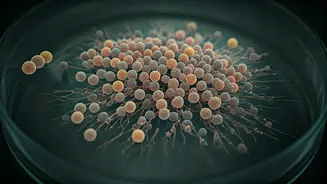
At its core, fermentation is a natural metabolic process where microorganisms—like bacteria, yeast, or fungi—convert carbohydrates into alcohol or acids. Think of it as a controlled decomposition that makes food not only last longer but also transforms
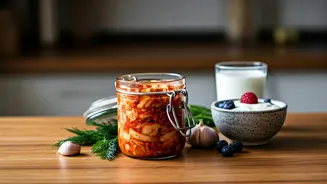
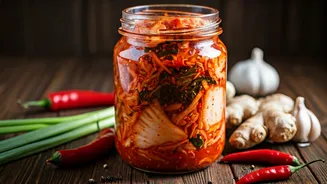
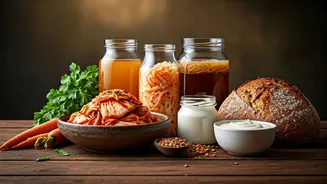
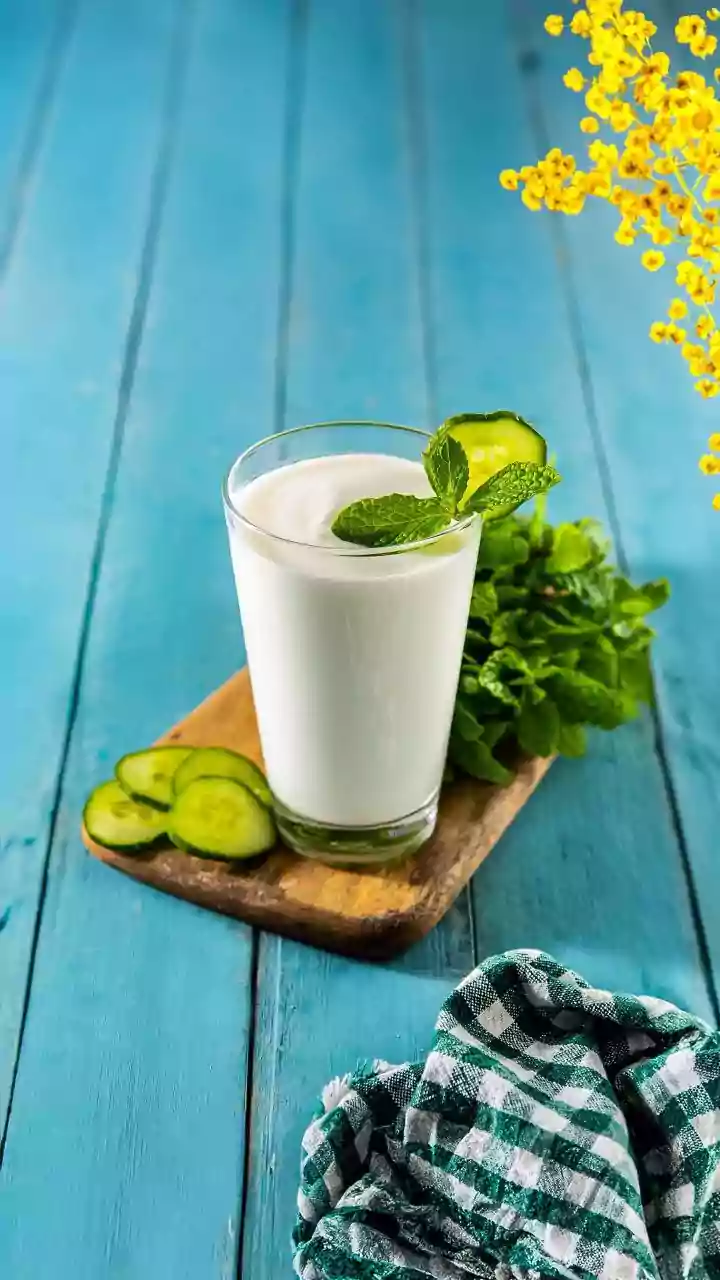
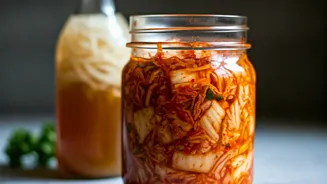
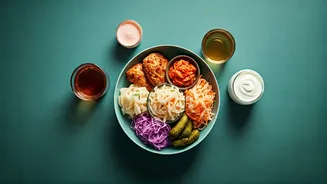
its flavor and nutritional profile. This isn't a new-age bio-hack; it's one of humanity's oldest food preservation techniques. Before refrigeration, fermenting was how cultures around the world kept vegetables, dairy, and grains from spoiling. Common examples are household names, even if you don't think of them as 'fermented.' We’re talking about yogurt, sourdough bread, sauerkraut, and pickles. The current wellness boom, however, has brought more globally diverse players into the American kitchen: kimchi (spicy Korean fermented cabbage), kefir (a tangy fermented milk drink), kombucha (fermented sweet tea), and tempeh (a fermented soybean cake).
The All-Important Gut Health Connection
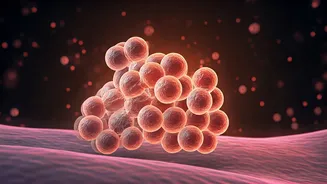
The primary reason fermented foods are front and center is their connection to gut health. Your digestive tract is home to trillions of microorganisms, collectively known as the gut microbiome. A diverse and balanced microbiome is increasingly linked by scientists to everything from better digestion and a stronger immune system to improved mood and mental clarity. Many fermented foods are packed with probiotics, which are live, beneficial bacteria that can help bolster the 'good guys' in your gut. When you eat something like live-culture yogurt or unpasteurized kimchi, you're essentially sending reinforcements to your internal ecosystem. This idea has captured the public imagination because it offers a proactive, food-based way to manage an aspect of health that feels foundational. It's not about a magic pill, but about nurturing the complex world inside you.
More Than Just Probiotics
While probiotics get most of the attention, the benefits of fermentation don't stop there. The process can enhance the nutritional value of food in other significant ways. First, it makes nutrients more bioavailable. The fermentation process breaks down compounds like phytic acid, found in legumes and grains, which can otherwise block your body's ability to absorb minerals like iron and zinc. Second, the microbes themselves can synthesize new nutrients. For instance, certain fermented foods are excellent sources of Vitamin K2, a crucial nutrient for bone and heart health that is difficult to find in non-fermented foods. Fermentation also pre-digests food, breaking down complex sugars and proteins. This is why many people who are lactose intolerant find they can comfortably digest yogurt or kefir; the lactose has already been partially broken down by the bacteria.
So, How Do You Get Started?
Jumping on the fermentation train doesn't require a radical diet overhaul. It’s about adding, not subtracting. Start small and with flavors you already enjoy. If you like yogurt, try kefir. If you're a fan of pickles, grab some real sauerkraut from the refrigerated section of your grocery store. A key tip: look for clues on the label. To get the probiotic benefit, you need foods with 'live and active cultures.' Shelf-stable products, like most canned sauerkraut or pickles in the condiment aisle, have been pasteurized (heated) to extend their shelf life, which kills the beneficial microbes. The good stuff is almost always found in the refrigerated cases. You can add a spoonful of kimchi to your scrambled eggs, use sauerkraut as a topping for salads or sandwiches, or sip on a small glass of kombucha instead of an afternoon soda. The goal is consistency over quantity—a little bit regularly is more beneficial than a lot all at once.