






From Paper to Personality
For decades, the job application process has been stubbornly uniform: a resume outlining your experience in Times New Roman, accompanied by a stiffly formal cover letter. But that’s starting to change. The “creator-style” makeover isn’t just about making
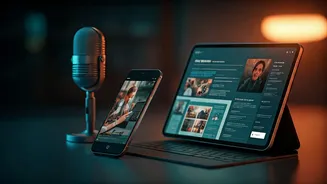
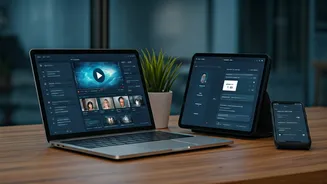
a prettier document. It’s a fundamental shift toward treating a job application as a piece of personal marketing content. Instead of a static list of qualifications, applicants are building interactive personal websites, producing short introductory videos reminiscent of a TikTok or Instagram Reel, and curating digital portfolios that showcase their work in a visually compelling way. Think of it as the difference between reading a movie script and watching the trailer. One tells you what happened; the other shows you the vibe, the skill, and the personality behind the work. This approach allows candidates to demonstrate creativity, communication skills, and technical savvy before they even land an interview.
The Gen Z and Creator Economy Effect
This trend is being driven primarily by two major forces: the entry of Gen Z into the workforce and the cultural dominance of the creator economy. Gen Zers are the first generation of true digital natives, fluent in the visual language of the internet and comfortable with tools like Canva, CapCut, and Adobe Express. For them, creating a short video or a polished digital presentation is as natural as writing an email was for millennials. Simultaneously, the creator economy has normalized the idea of personal branding. We’re all accustomed to individuals building a following around their unique voice, style, and expertise. Job applicants are now borrowing from that playbook. They understand that in a crowded field, personality can be a key differentiator. A video introduction or a slick portfolio isn’t just about showing you can do the job; it’s about showing who you are and why a company’s culture would be a great fit for you.
But Does It Actually Work?
The million-dollar question for any job seeker is whether recruiters will actually appreciate the extra effort. The answer, for now, is: it depends. In creative industries like marketing, design, media, and communications, a creator-style application is often not just accepted but encouraged. It acts as a real-time demonstration of the very skills the job requires. Some tech companies and startups, eager to find innovative and self-motivated candidates, are also receptive. However, in more traditional sectors such as law, finance, accounting, and government, a conventional resume is still the gold standard. A flashy video might be seen as unprofessional or, worse, a distraction from the core qualifications. Recruiters in these fields are often sifting through hundreds of applications using Applicant Tracking Systems (ATS), which are designed to parse text-based resumes, not watch videos or navigate websites. A creative application might never even reach a human reviewer if it can’t get past the software.
The Risks and Rewards
For those considering a creator-style application, it’s essential to weigh the potential benefits against the risks. The biggest reward is the ability to stand out from the sea of sameness. A well-executed creative application can make a memorable first impression and vividly showcase skills that are hard to convey on paper, such as public speaking or video editing. It demonstrates initiative and a genuine passion for the role. On the flip side, the risks are significant. These applications are incredibly time-consuming to produce. There’s also the potential for unconscious bias to creep in; a video, for example, reveals a candidate’s age, gender, and ethnicity in a way a traditional resume does not. And if the execution is sloppy—bad lighting, poor audio, a confusing website—it can backfire spectacularly, making the applicant look amateurish rather than innovative. The key is to know your audience and tailor your approach to the industry and the specific company you’re targeting.