


From Itinerary to Intention
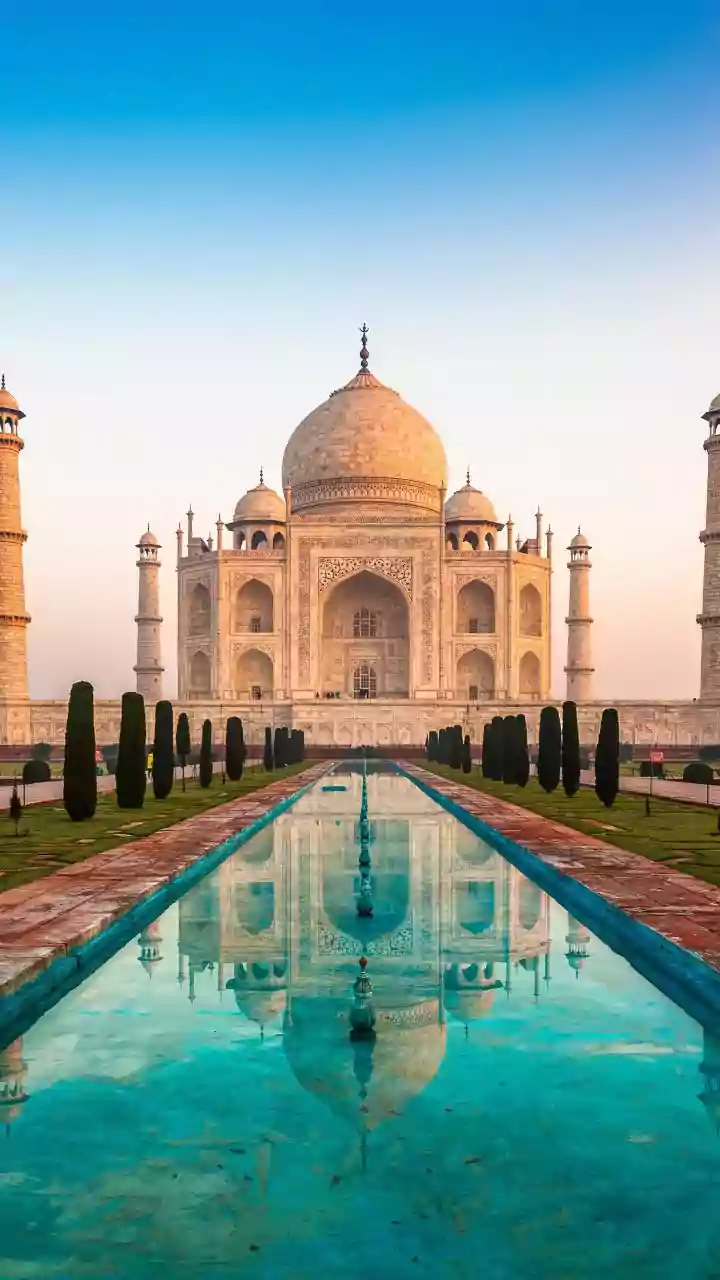
For generations, travel was about the ‘where.’ You picked a destination—Paris, Agra, New York—and followed a well-trodden path of monuments, museums, and must-see sights. But in India, a significant evolution is underway. Travelers, particularly millennials
and Gen Z, are increasingly planning trips around the ‘how.’ How do they want to feel? The answer to that question, not a guidebook, is now dictating their destination. This is the core of mood-based travel: choosing a place that matches a desired emotional state. Instead of saying, “I want to go to Rajasthan,” travelers are saying, “I need a trip that feels royal and nostalgic,” which might lead them to a heritage hotel in Jaipur. Or instead of booking a flight to Goa, they might search for a “vibrant, social, beach-party vibe.” It’s a move from consumption—seeing things—to experience—feeling things.
The Post-Pandemic Push for Purpose
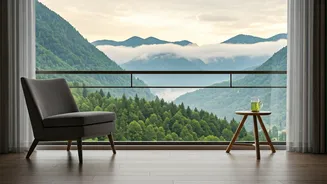
So, why now? The trend’s acceleration is deeply tied to the global reset that occurred during the pandemic. After periods of isolation and high stress, people are no longer content with travel as a mere distraction. They want it to be restorative. Indian travel platforms like MakeMyTrip and Thomas Cook have reported a surge in searches that use emotional keywords like “serene,” “peaceful,” “adventurous,” or “secluded.” This reflects a broader, global embrace of wellness, where mental and emotional health are prioritized. A vacation is no longer just a break from work; it’s an active tool for managing burnout, seeking inspiration, or reconnecting with oneself. This desire for intentionality has turned the travel calendar into a prescription pad, with different destinations serving as the cure for different emotional ailments.
India’s Emotional Atlas
India’s vast and varied landscape makes it uniquely suited for this trend. The country is an emotional atlas, offering a destination for nearly every conceivable mood. Seeking spiritual clarity and a deep sense of zen? The yoga ashrams of Rishikesh, nestled in the Himalayan foothills along the Ganges, are the go-to. Craving high-octane adventure and a feeling of conquering the impossible? A motorcycle trip through the stark, breathtaking mountain passes of Ladakh fits the bill. For those wanting to disconnect completely, the lush, quiet backwaters of Kerala or the pristine, remote beaches of the Andaman Islands offer a “secluded bliss” mood. Conversely, if the goal is social energy and carefree celebration, the vibrant nightlife and sun-drenched shores of North Goa deliver a guaranteed party vibe. The destination has become secondary to the experience it promises.
More Than Just a Vibe
While driven by social media aesthetics and the search for the perfect “vibe,” this trend is more than a fleeting digital phenomenon. It signals a maturation of the Indian traveler. The focus has shifted from performative travel—collecting photos in front of famous landmarks to prove you were there—to personal travel, which serves an internal need. This is forcing the tourism industry to adapt. Hotels are no longer just selling rooms; they are curating experiences. Boutique properties are theming themselves around concepts like “digital detox” or “creative inspiration.” Tour operators are designing flexible packages that allow for spontaneity and personal discovery. The success of a trip is no longer measured by how many sites were seen, but by whether the traveler returned feeling the way they had hoped to—refreshed, inspired, thrilled, or at peace.