

Goodbye to the Grand Palace Look
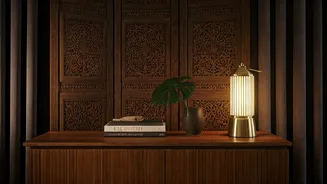
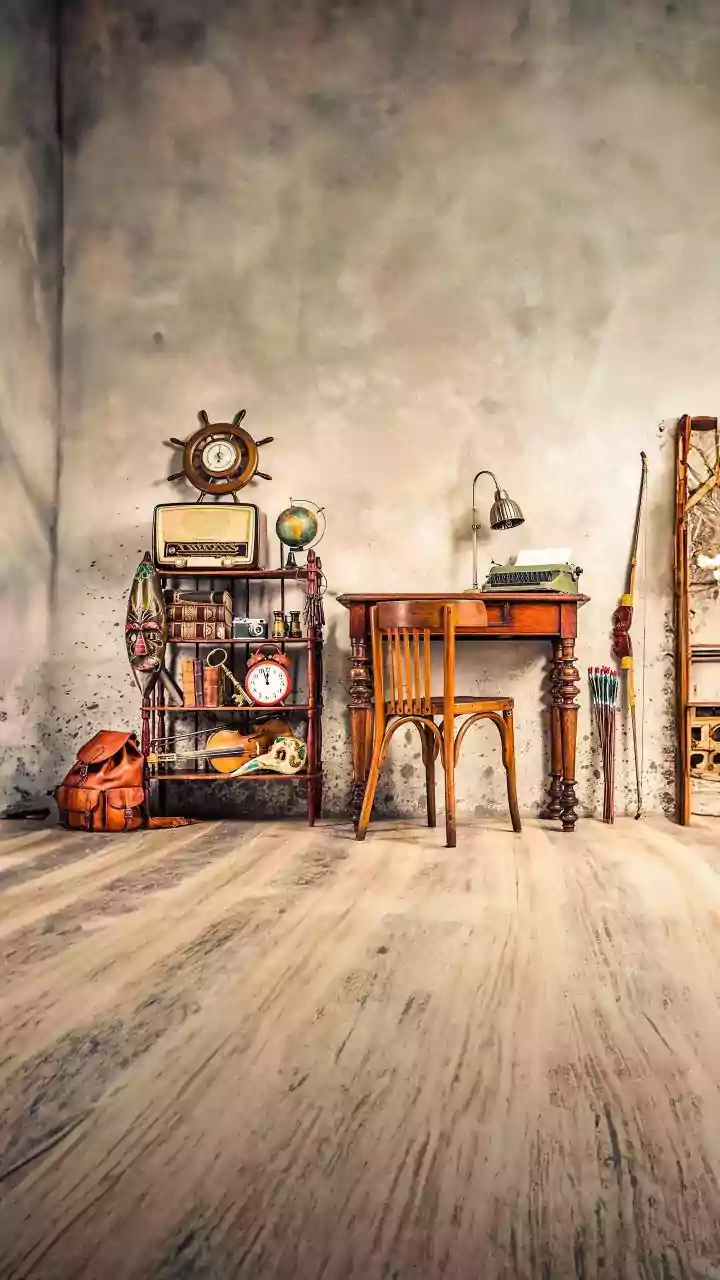
For many Americans, the classic image of a luxurious Indian interior is one of sensory overload in the best way possible. Think heavy, intricately carved rosewood furniture, jewel-toned silk curtains, Rajasthani miniature paintings crowding a wall, and
brass statuettes glinting in every corner. This maximalist approach, born from a rich history of princely states and artisanal traditions, was a way to display heritage, wealth, and a love for vibrant, layered living. It was about filling a space with history and objects, creating a dense tapestry of life. For decades, more was more. The bigger the sofa, the more elaborate the inlay, the more your home signaled prosperity and a connection to a glorious past. But in the bustling, hyper-connected cities of 21st-century India, the definition of a dream home is undergoing a radical transformation.
The Rise of 'India Modern' Minimalism
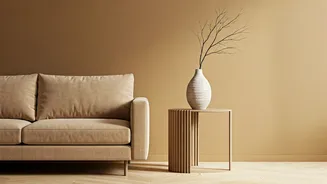
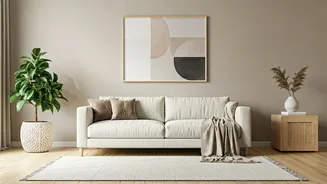
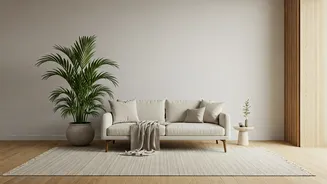
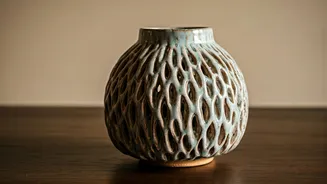
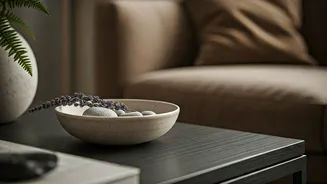
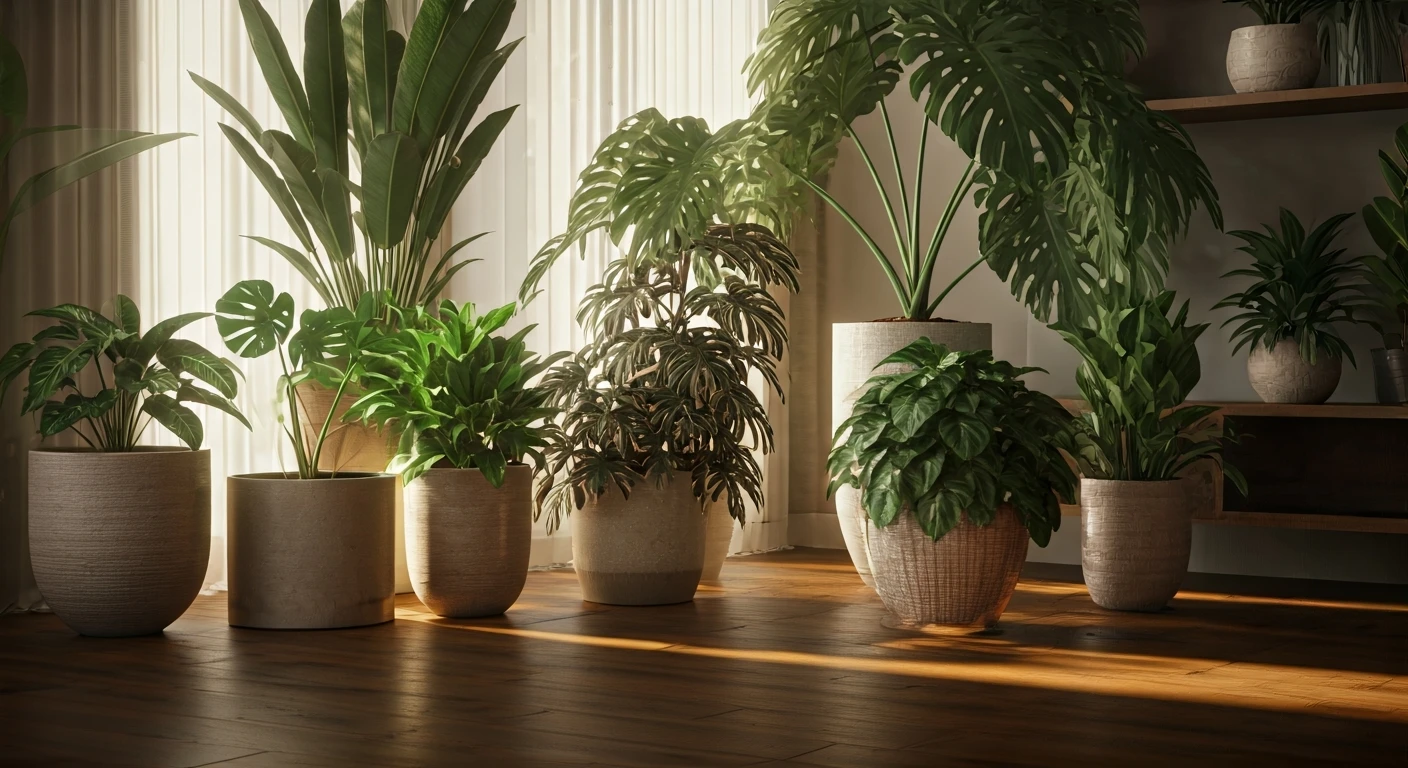
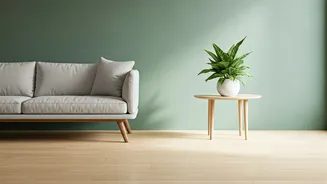
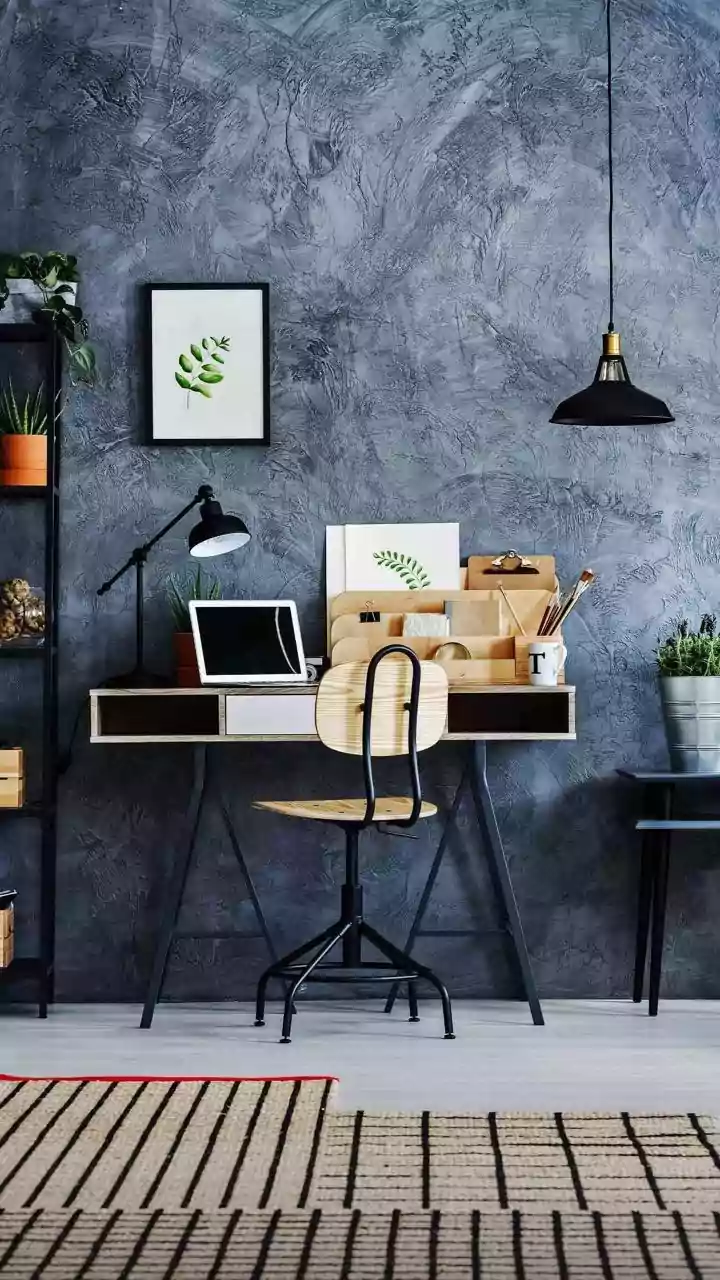
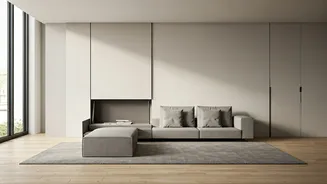
Enter the new aesthetic: a serene, decluttered, and light-filled environment often dubbed “India Modern.” It’s a style that borrows from global trends like Scandinavian simplicity and Japanese ‘wabi-sabi’ principles (finding beauty in imperfection), but makes it entirely its own. Picture this: open-plan living areas with large windows, walls painted in muted, earthy tones like terracotta, sage, and beige, and furniture with clean lines made from light-colored woods like teak or sustainable bamboo. The focus is on natural light, airflow, and a sense of breathing room. Clutter is replaced by curation. Instead of ten small decorative items, there might be one large, stunning piece of contemporary art or a single, beautifully crafted vase. It’s less about filling space and more about honoring it.
A Sanctuary from the Urban Chaos
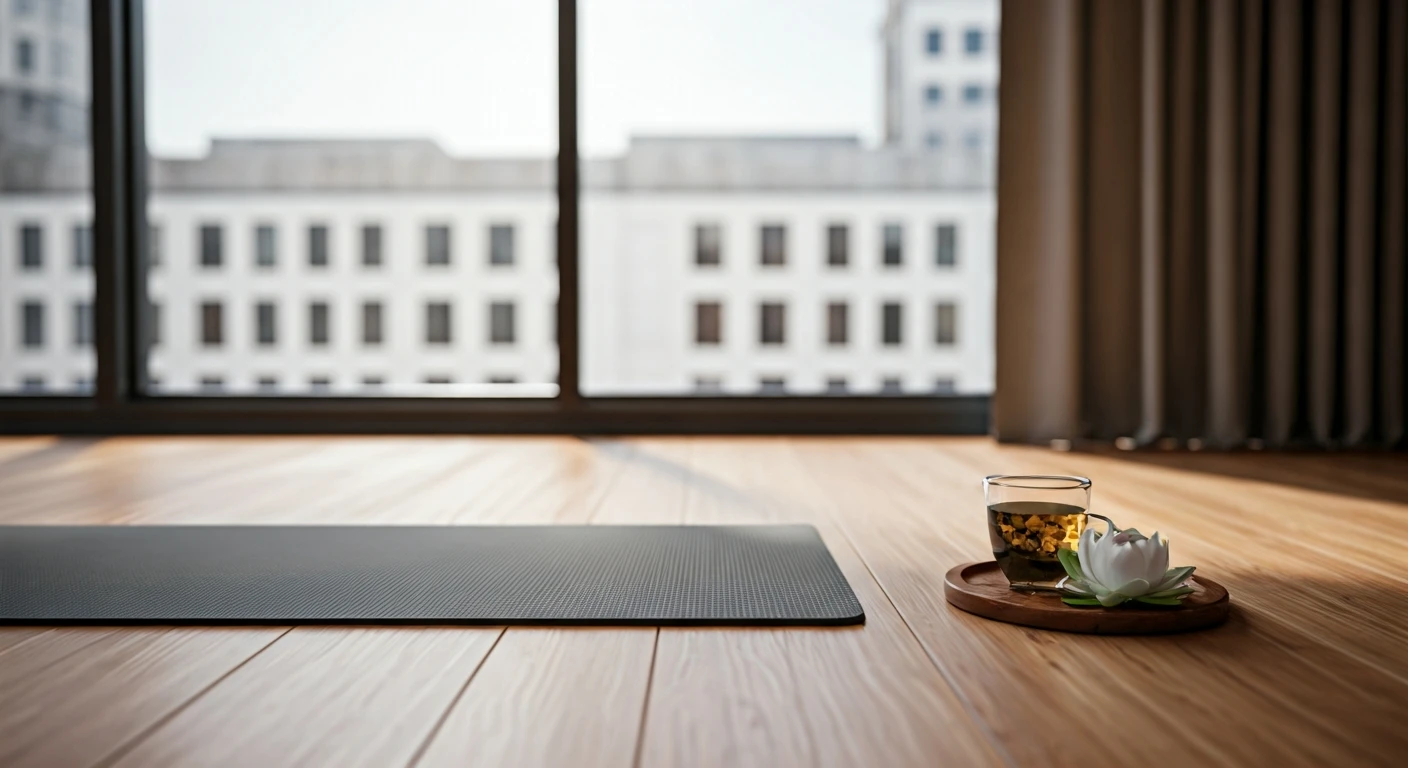
So, what’s driving this significant cultural shift? It’s not just about aesthetics; it’s a response to modern life. For young professionals in Mumbai, Delhi, or Bangalore, daily life is often a whirlwind of traffic, noise, and digital overstimulation. The home is no longer just a place to live, but a sanctuary to recharge. The post-pandemic era has amplified this desire, with a global focus on wellness and mental health making a “calm home” a top priority. A minimalist environment is seen as a way to foster a clearer mind and a more intentional life. Architects and designers in India report that clients are increasingly asking for spaces that feel “peaceful,” “grounded,” and “mindful”—words that were rarely part of the design brief a decade ago. It’s a conscious uncoupling from the chaos outside the front door.
The New Flex: Taste Over Treasure
This doesn’t mean the “flex” is gone. It has just become more subtle, more sophisticated. The new status symbols aren't about overt expense but about quiet quality and thoughtful curation. Instead of imported Italian marble, the flex might be a locally sourced terrazzo floor with a custom pattern. Instead of a heavy, gilded mirror, it’s a perfectly placed window that frames a view of a single frangipani tree. The ultimate boast is no longer about how much you can fit into a room, but about the luxury of empty space. It’s about owning a piece of furniture made by a celebrated local artisan, using handwoven textiles from a specific region, or incorporating reclaimed wood from an old family home. This new flex communicates not just wealth, but taste, cultural awareness, and a commitment to sustainability and craftsmanship.