


From Frugal Chore to Status Symbol
For decades, energy efficiency was framed as an act of virtuous sacrifice. It was practical, sensible, and often, aesthetically challenged. Think weather-stripping tape, clunky compact fluorescent bulbs, and utility-grade appliances that hummed with all the charm
of a server farm. The primary motivation was financial—shaving dollars off the monthly utility bill—or driven by a deep-seated environmentalism that was, for many, a niche concern. But a fundamental shift has occurred. Today, energy efficiency is seamlessly woven into the fabric of aspirational living. It has become less about scarcity and more about abundance: an abundance of comfort, quiet, clean air, and effortless control. The new efficiency isn't about what you’re giving up; it’s about what you’re gaining.
The Smart Home Glow-Up
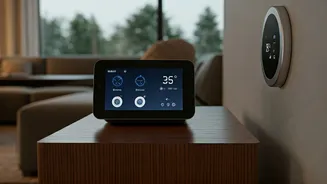
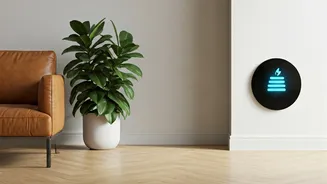
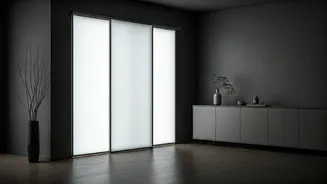
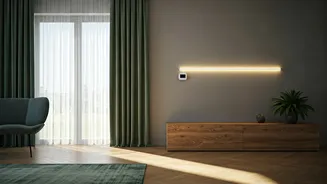
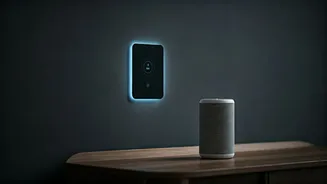
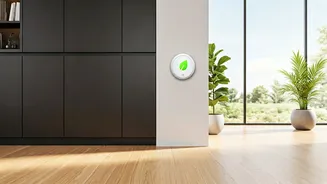
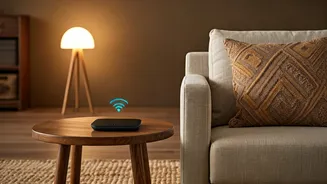
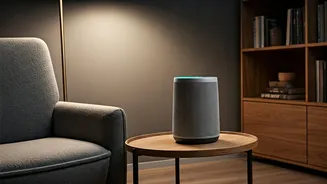
Much of this transformation can be credited to the 'Apple-fication' of home technology. The turning point was arguably the Nest Learning Thermostat. It didn’t just make managing your home’s climate easier; it made it beautiful. Suddenly, a utilitarian object became a sleek, desirable gadget. This opened the floodgates. Today, the market is filled with design-forward smart devices that prioritize user experience and aesthetics. Smart lighting systems from Philips Hue allow for customized ambiance, not just wattage reduction. Automated shades from Lutron glide silently into place to manage solar heat gain, adding a touch of cinematic luxury. Even energy-monitoring apps are designed with clean, intuitive interfaces that feel more like a wellness tracker than a utility bill. Efficiency is now a feature, a cool part of a premium package, often secondary to the convenience and style it enables.
Architecture That Breathes
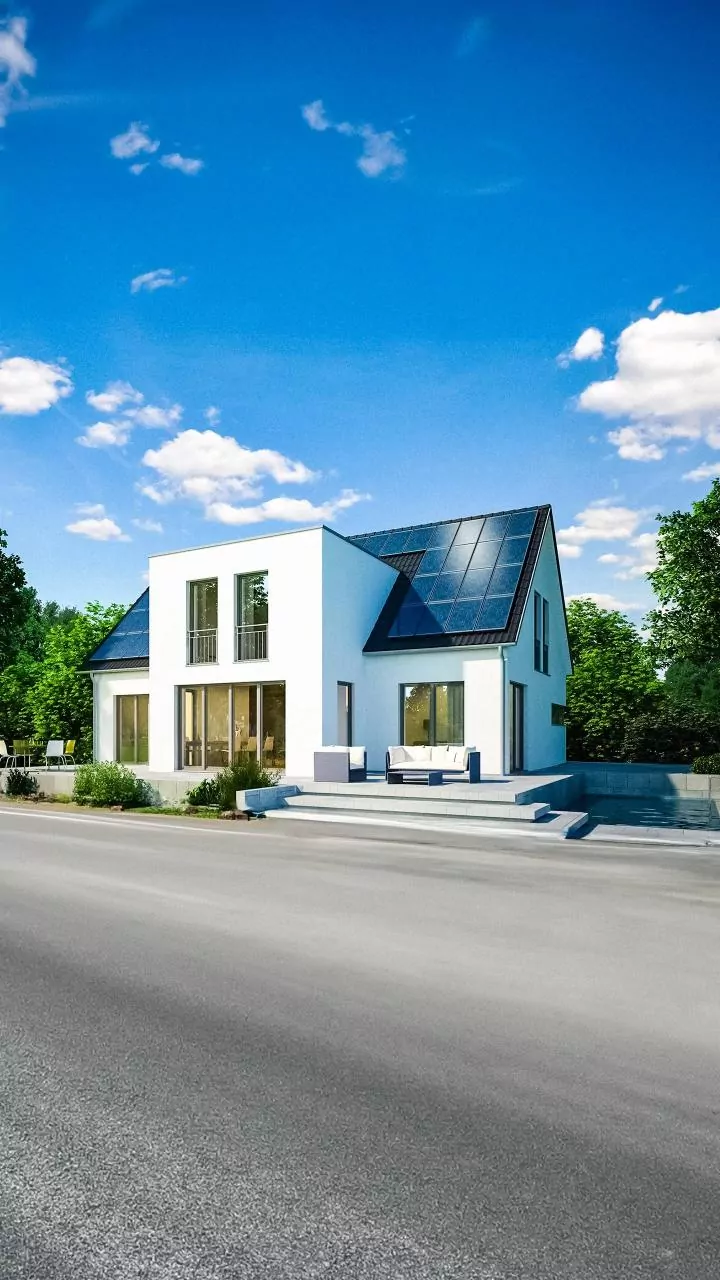
This new ethos extends beyond gadgets to the very bones of the home. Architects and designers are increasingly incorporating principles of sustainability not as an add-on, but as a core design philosophy. The rise of the 'Passive House' movement in high-end circles is a perfect example. These homes use hyper-insulation, airtight construction, and strategic window placement to maintain a comfortable temperature year-round with minimal energy use. But their appeal isn't just their tiny carbon footprint. They are phenomenally quiet, free of drafts, and filled with fresh, filtered air. Huge, triple-paned windows flood spaces with natural light while preventing heat loss. The use of reclaimed wood, bamboo, and other sustainable materials adds texture, warmth, and a story. The result is a home that feels like a sanctuary, where the structure itself is engineered for human comfort and well-being.
Wellness and Values on Display
Ultimately, the embrace of energy efficiency as a design choice taps into deeper cultural currents. In an era focused on wellness, self-care, and intentional living, our homes have become the primary stage for these pursuits. A home that is quiet, thermally comfortable, and has superior air quality is fundamentally a healthier environment. This aligns perfectly with the wellness movement's focus on optimizing our personal ecosystems. Furthermore, choosing an efficient home is a form of value signaling. It tells a story about who you are: technologically savvy, environmentally conscious, and possessing a refined taste that values both form and function. It’s a quiet declaration of modern sophistication, demonstrating that your concern for the future is matched by your commitment to a high-quality life in the present.