


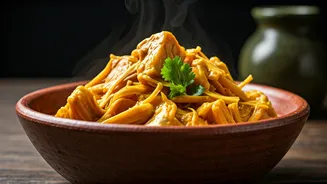
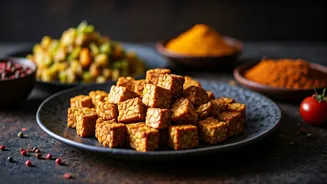


First, What Is Bhurji?
Before we get to the tofu, let's talk about the “bhurji.” In Hindi, the word simply means “scrambled.” Traditionally, the most popular versions in India are anda bhurji (made with eggs) and paneer bhurji (made with fresh, unaged cheese). Think of it as
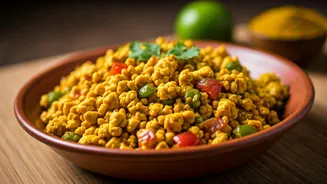
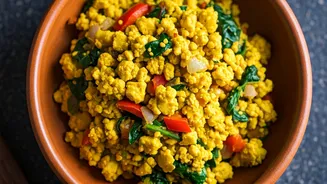
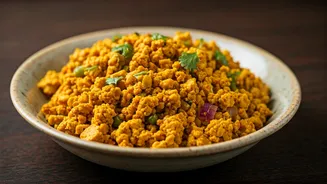
India’s answer to the savory scramble, but with a much deeper and more complex flavor profile. The foundation of any good bhurji is a fragrant base of aromatics. Onions, ginger, and garlic are sautéed until soft, followed by tomatoes cooked down into a rich paste. This mixture is then infused with a symphony of spices—typically turmeric for its golden color and earthy notes, cumin for warmth, coriander for a citrusy hint, and a pinch of chili for heat. Only then is the main ingredient added and crumbled into the spiced base, allowing it to soak up all that incredible flavor.
The 'Diet Food' Misconception
So, how did this delicious dish get pigeonholed as “diet food”? The culprit is the tofu itself. For decades in the U.S., tofu was introduced not as a versatile ingredient from Asian cuisines but as a low-fat, high-protein meat substitute. Early encounters often involved unseasoned, watery blocks thrown into salads or stir-fries, leading to its unfortunate reputation as a culinary punishment. When Tofu Bhurji first appeared on menus in the West, it was often framed as a “healthy” or “vegan” alternative to paneer bhurji. While technically true—tofu is typically lower in fat than paneer—this framing did the dish a disservice. It suggested that Tofu Bhurji was a compromise, a lesser version you ate out of necessity rather than choice. It ignored the fact that, when prepared correctly, it is a powerhouse of flavor that stands entirely on its own.
A Flavor-Forward Powerhouse
The secret to a great Tofu Bhurji lies in embracing tofu’s greatest strength: its ability to act as a sponge for flavor. Unlike paneer, which has a mild, milky taste of its own, firm or extra-firm tofu provides a neutral, textural canvas. When crumbled and cooked in the aromatic masala, it absorbs every nuance of the spices, garlic, ginger, and tomato. The result isn’t just a scrambled block of soy. It’s a savory, satisfying dish where every bite is bursting with warmth and spice. The texture is hearty yet light, and the bright notes of fresh cilantro and a squeeze of lime juice at the end cut through the richness. It’s the kind of dish that makes you forget you’re even eating tofu; you’re just eating something unequivocally delicious.
More Than Just a Substitute
The growing appreciation for Tofu Bhurji is part of a larger, positive shift in the American food landscape. Diners are moving beyond the generic “curry” and exploring the incredible diversity of regional Indian cuisine. Bhurji, a staple comfort food across India, is finally getting its moment in the spotlight. Simultaneously, our understanding of plant-based cooking has matured. Instead of just searching for one-to-one meat replacements, chefs and home cooks are celebrating vegetables and ingredients like tofu for their unique properties. Tofu Bhurji isn’t trying to imitate scrambled eggs or cheese; it’s a dish that leverages tofu’s specific texture and neutral taste to create something new and exciting. It’s a testament to the idea that ingredients don’t need to mimic meat to be satisfying.
How to Best Enjoy It
If you’re ready to dive in, you have plenty of options. Tofu Bhurji is incredibly versatile. Its most classic pairing is with hot, flaky parathas or soft roti, which you can use to scoop up the savory scramble. It’s also fantastic served simply with a side of basmati rice. For a quick and satisfying lunch, pile it onto toasted sourdough for a spin on savory toast that puts avocado to shame. In many parts of India, bhurji is stuffed into a soft bread roll (pav) to create a popular and portable street-food sandwich. It’s a perfect breakfast, a hearty lunch, or a light dinner, proving its flexibility and appeal at any time of day.