




Understanding the Monsoon Challenge
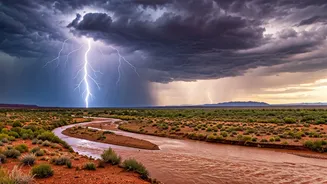
Summer monsoons in states like Arizona, New Mexico, and Utah aren't your average gentle showers. They are powerful, localized, and often sudden. A sunny afternoon can transform into a torrential downpour in minutes, bringing with it lightning and the
serious risk of flash floods. This isn't about avoiding the rain; it's about embracing the dramatic scenery safely. A dry bag of clothes and a functioning phone can be the difference between a great story and a miserable ordeal. Proper waterproof packing isn’t a suggestion; it’s the foundation of a successful trip.
Water-Resistant vs. Waterproof
Before you buy anything, it's crucial to understand the language of outdoor gear. 'Water-resistant' means a material can repel water to some degree, usually thanks to a tight weave or a light coating. It will hold up against a light drizzle but will eventually 'wet out' in a sustained downpour. 'Waterproof' means a material offers a complete barrier to water, often using a membrane like Gore-Tex and featuring sealed seams. For a monsoon trip, where you’ll face intense bursts of rain, you need to prioritize truly waterproof items for your most critical gear.
The Core Waterproof Kit: For You
Your personal comfort is paramount. Getting soaked and chilled can ruin a day and even lead to safety issues. Start with a high-quality, breathable, waterproof rain jacket with a hood. Don't skimp here. This is your primary shield against the elements. Pair it with waterproof pants that can be quickly pulled on over your shorts or hiking pants. Finally, your footwear is critical. Waterproof hiking boots are ideal, as they protect you from puddles and muddy trails. Avoid cotton socks at all costs; opt for wool or synthetic blends that retain warmth even when damp.
Protecting Your Gear: Bags and Cases
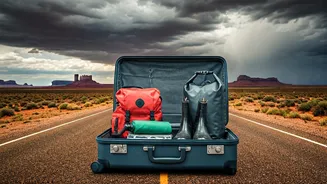
Your luggage and electronics are just as vulnerable as you are. A large duffel bag, even if it's 'water-resistant,' won't survive being loaded or unloaded in a storm. The solution is compartmentalization. Use dry bags—the kind kayakers use—as internal organizers. Put a day's worth of clothes in one, your sleeping bag in another, and all your electronics in a third. This way, even if your main bag gets wet, its contents remain perfectly dry. For your backpack, a simple rain cover is an effective and inexpensive way to shield it during a quick hike. And for your phone, a dedicated waterproof case or even a high-quality zip-top bag is non-negotiable.
The Forgotten Items: In-Car Smarts
Your car is your sanctuary, but it can quickly become a damp, messy space if you're not careful. Pack a few old towels specifically for mopping up and drying off before you get in. Consider a small, foldable tarp to lay on the ground, creating a clean, dry staging area for changing out of wet boots. Rubber floor mats are far superior to carpeted ones in this environment. Finally, have a system for wet gear. A large plastic storage bin in the trunk can be a designated 'wet zone' for soggy jackets and muddy boots, keeping moisture and grime contained and away from your dry clothes and sleeping gear.