
The Un-Dirty Secret
First, let's clear the air: 'soilless' doesn't mean your plants are magically suspended in space. It simply means they're grown in a medium other than traditional potting soil. Instead of dirt, these plants live in water or inert substrates that provide
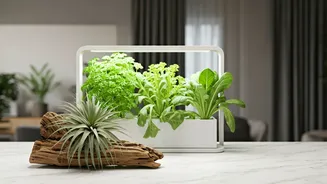
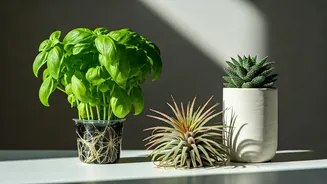
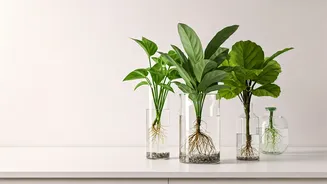
physical support while you deliver nutrients directly. Think of it as a deconstructed approach to plant care, where every element is chosen and controlled. The most popular methods involve growing plants directly in water (hydroponics) or, more commonly for home decor, in semi-hydroponic setups using materials like clay pebbles, perlite, or sphagnum moss. This shift eliminates the most common complaints about houseplants: the mess of repotting, the mystery of what’s happening beneath the surface, and the unwelcome presence of soil-loving pests.
Effortless Aesthetics, Minimal Mess
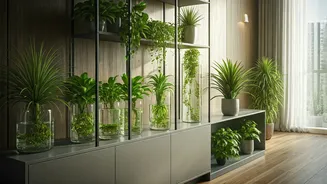
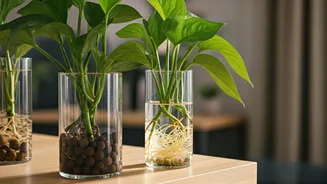
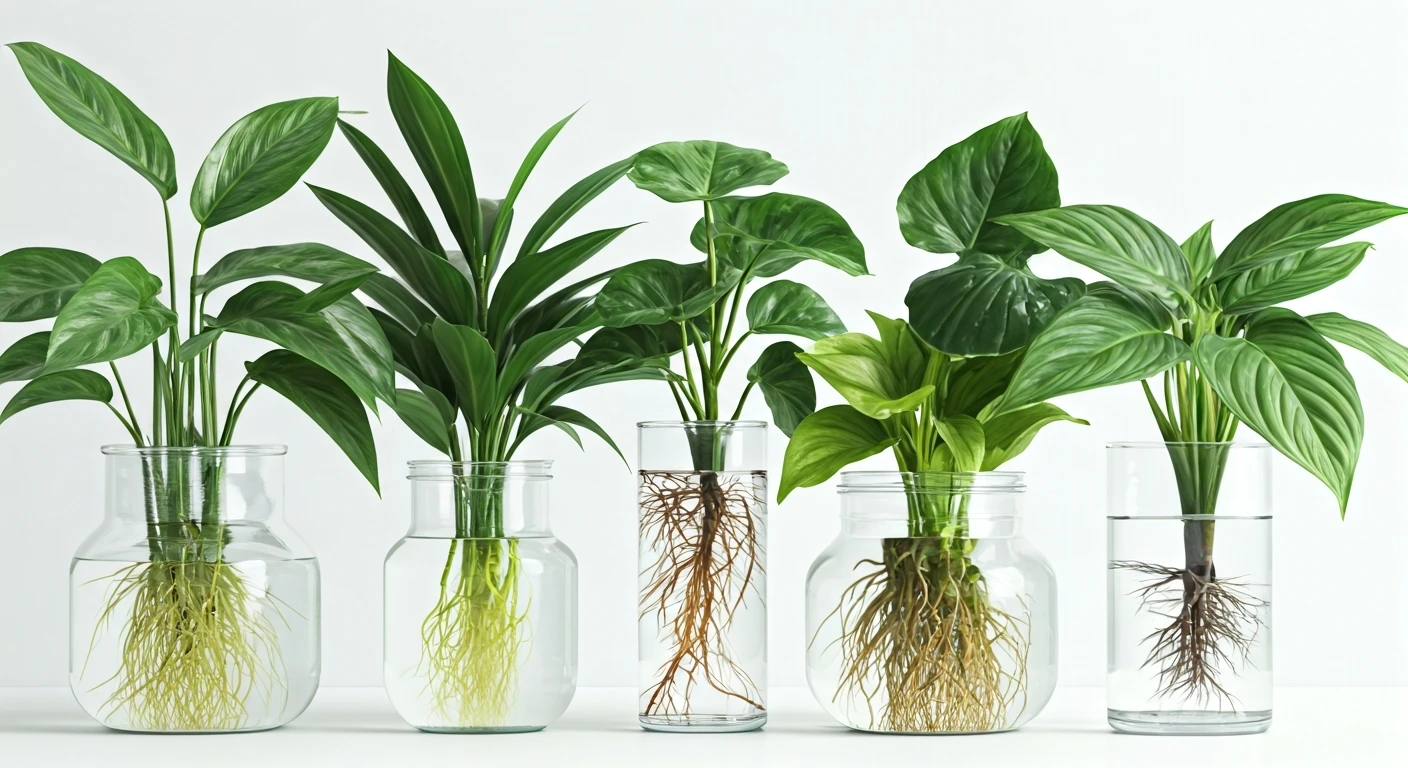
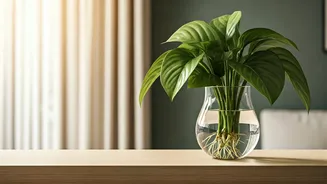
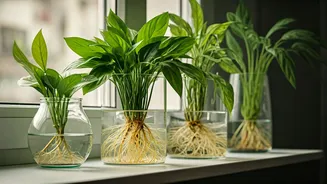
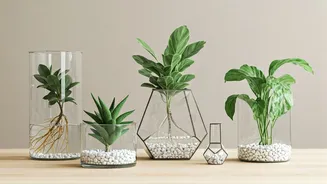
The connection to the 'Clean Girl' aesthetic is more than just a catchy phrase; it's a perfect philosophical match. This lifestyle prioritizes cleanliness, organization, and a calm, curated environment. Soilless gardening delivers on all fronts. Picture a clear glass vase showcasing the intricate, sculptural beauty of a plant's root system, growing cleanly in water or uniform clay balls. There's no dark, crumbly soil to distract the eye or spill onto your white boucle sofa. The enemy of the clean-house-vibe, the fungus gnat, has no soil to breed in. This method transforms a plant from a simple decorative object into a living piece of minimalist art. It’s a controlled, predictable, and visually pristine way to bring nature indoors, aligning perfectly with a worldview that values order and intentionality over chaotic, organic randomness.
Your Guide to Going Soilless
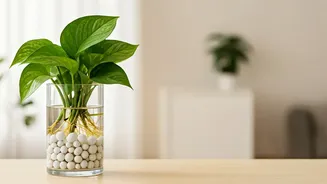
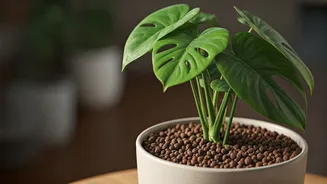
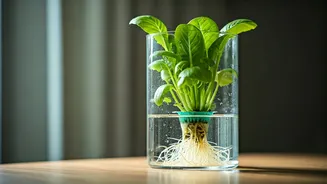
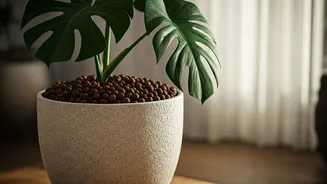
Ready to trade in your dustpan and soil scoop? Getting started is simpler than it looks. The two most accessible methods for indoor gardeners are semi-hydroponics and water culture. Semi-Hydroponics with LECA: This is the trend you've likely seen on Instagram and TikTok. LECA stands for Lightweight Expanded Clay Aggregate—those uniform, reddish-brown terracotta-colored balls. These porous clay pebbles are fantastic at wicking moisture. You place your plant's roots in a pot of LECA and add a reservoir of nutrient-rich water at the bottom. The LECA absorbs the water and delivers it to the roots as needed, preventing root rot while providing stable hydration. It’s clean to handle, reusable, and creates a satisfyingly uniform look. Water Culture: The simplest method of all. Many vining plants, like Pothos and Philodendrons, can live happily for years with their roots submerged directly in a vase of water. The key is to change the water weekly to keep it oxygenated and add a few drops of liquid hydroponic fertilizer to provide the necessary nutrients that soil would normally contain.
Best Plants for the Transition
While many plants can be adapted to a soilless life, some are far more forgiving of the transition than others. When converting a plant from soil, you must be patient, washing every speck of dirt from the roots before placing it in its new home. Start with these reliable choices: - Pothos & Philodendron: These vining champions are practically begging to be put in water. Their fast-growing aerial roots adapt almost instantly. - Snake Plants: Known for being nearly indestructible, their hardy root systems handle the transition to LECA remarkably well. - Orchids: Many store-bought orchids already come in a soilless mix of bark or moss. Transferring them to LECA or a specialized orchid medium is a natural next step. - ZZ Plant: With its bulbous rhizomes that store water, the ZZ plant is resilient and adapts well to the consistent but not-soggy moisture provided by semi-hydroponics.
More Than Just an Aesthetic
While the visual appeal is undeniable, the benefits of soilless gardening extend far beyond the surface. For many plant owners, the biggest struggle is watering. In a traditional pot, it's impossible to know if the bottom is a swamp while the top is bone-dry. With a clear vessel and LECA or water, you have a perfect visual indicator of moisture levels, virtually eliminating the risk of over- or under-watering. This method also provides superior aeration for the plant's roots, which can lead to healthier, more robust growth. For allergy sufferers, removing soil can mean removing a source of mold and other allergens from the home. It’s a plant-care system that offers more control, less guesswork, and a healthier environment for both you and your plants.