






From Fried and Festive to Fit and Functional
India’s love affair with snacks, known locally as ‘chaat’ or ‘namkeen,’ is legendary. Street corners and family gatherings have always been fueled by a dizzying array of fried, savory, and sweet bites. But as a new generation of urban, health-conscious
Indians emerges, the definition of a great snack is changing. The post-work samosa run is being replaced by a calculated reach for something baked, roasted, or air-fried. This isn't about abandoning flavor; it's about optimizing it. The shift reflects a global wellness movement that has firmly taken root in India’s cities. Consumers are now armed with nutritional knowledge and are actively seeking out snacks that offer protein, fiber, and clean ingredients, rather than just empty calories and a moment of greasy satisfaction. It’s a cultural evolution, moving from snacking as a purely social, indulgent activity to one that also supports a modern, active lifestyle.
The Comeback of Ancient Superfoods
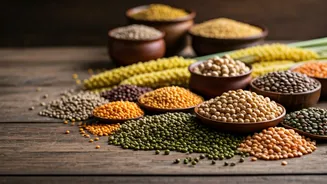
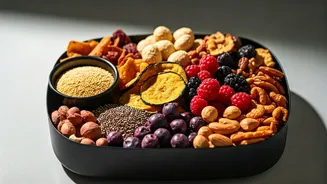
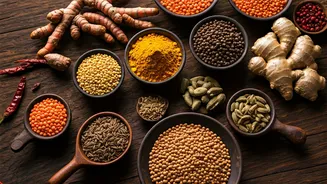
So, what are these 'smart snacks' made of? Surprisingly, the answer lies in India’s own pantry of ancient ingredients, many of which are now being rediscovered and rebranded as superfoods. The undisputed star of this trend is makhana, or fox nuts. These puffed seeds of the water lily plant, once a humble fasting food, are now being roasted and seasoned with everything from sea salt to peri-peri spice. They're light, crunchy, and packed with protein and antioxidants. Following closely behind are millets—ancient grains like ragi and jowar—which are being transformed into baked chips, puffs, and crackers. They offer a gluten-free, high-fiber alternative to snacks made from refined wheat or rice. Other traditional ingredients like chickpeas (chana), lentils, and various seeds are being roasted and spiced, providing a protein-rich crunch that satisfies cravings without the guilt.
Startups and the Instagram Effect
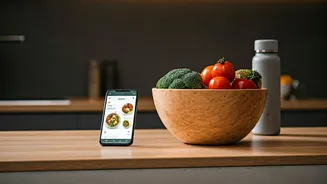
This movement isn’t just happening organically; it's being turbocharged by a wave of new, direct-to-consumer (D2C) brands. Companies with slick, minimalist packaging and savvy social media marketing are targeting millennials and Gen Z consumers directly. They speak the language of 'clean eating,' 'guilt-free,' and 'plant-based protein,' using Instagram feeds to showcase their aesthetically pleasing products. These startups have identified a gap in the market left by legacy food giants. While large corporations focused on mass-market, traditional fried snacks, these nimble brands created a new category. They built a narrative around health, heritage, and convenience, delivering subscription boxes and individual packets to the doorsteps of busy urban professionals who value both their time and their well-being.
More Than Just a Health Fad
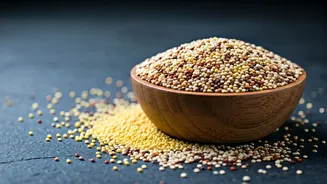
While health is the primary driver, the smart snacking trend is about more than just counting calories. It’s also about a renewed sense of national pride in local ingredients. For years, Western 'superfoods' like quinoa and kale dominated the global wellness conversation. Now, Indian consumers and brands are championing their own native powerhouses, like makhana and millets, celebrating their nutritional benefits and agricultural heritage. Furthermore, this trend taps into the modern need for convenience. As dual-income households and hectic work schedules become the norm in Indian cities, ready-to-eat, healthy snacks provide a practical solution for the mid-day slump or a quick breakfast on the go. It’s a perfect fusion of tradition, modern nutritional science, and the realities of 21st-century life.