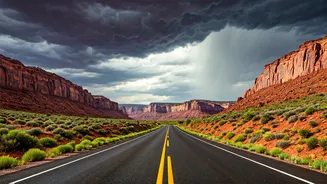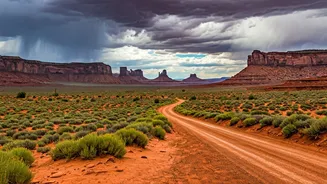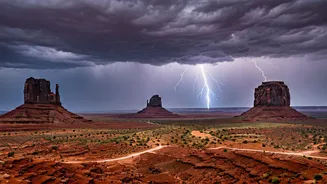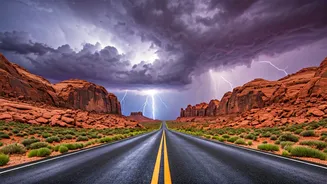



The Allure of the Storm
For decades, the standard advice for visiting the American Southwest was to avoid the peak of summer, with its blistering heat and seasonal storms. But now, a growing number of travelers are doing the exact opposite. They’re intentionally planning their
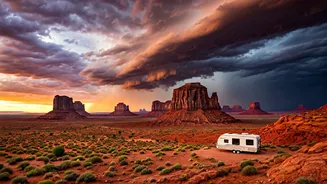
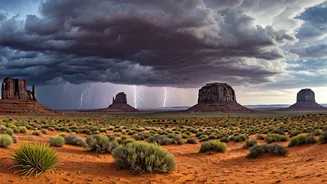
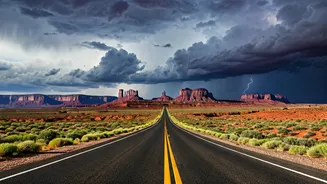
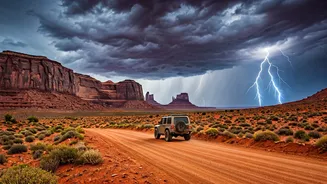
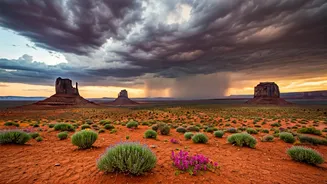
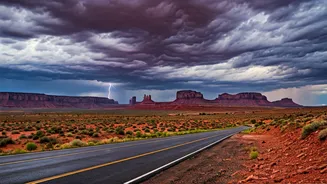
trips to coincide with the North American Monsoon, a weather pattern that brings dramatic, often daily thunderstorms to states like Arizona, New Mexico, Utah, and Colorado from roughly July through mid-September. The appeal is multi-sensory. The sky transforms into a canvas of bruised purples, deep blues, and brilliant flashes of lightning. The oppressive summer heat breaks, if only for an hour, as cool downdrafts precede the rain. Then comes the deluge, washing the dust from the landscape and releasing the iconic, earthy scent of petrichor—the smell of rain on dry soil. For photographers, it’s a dreamscape of dynamic clouds and saturated colors. For everyone else, it’s a chance to see a familiar desert landscape reveal a wilder, more vibrant side.
Where to Chase the Clouds
The epicenter of this trend is undoubtedly Arizona and New Mexico. Scenic drives around Tucson, Sedona, or Santa Fe become stages for the daily atmospheric drama. In Arizona, roads like the State Route 89A through Oak Creek Canyon or the loop around the Santa Catalina Mountains offer stunning vantages for storm-watching. In New Mexico, the High Road to Taos provides elevated viewpoints of weather systems rolling across the valleys. National parks, once emptied by the threat of rain, are now seen as prime destinations. Visitors to Grand Canyon National Park can witness the canyon’s vastness filled with rolling clouds and echoing thunder, a profoundly different experience from the clear-sky views of spring or fall. In Utah’s Zion or Arches National Parks, the contrast between wet, slick red rock and dark, stormy skies creates breathtaking, almost surreal imagery. The goal isn’t to drive *through* the storm, but to position oneself to safely appreciate its power and beauty from a distance.
The Art of Staying Safe
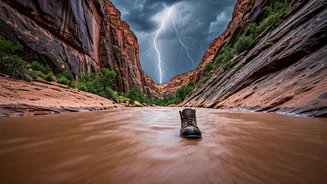
While romantic, a monsoon road trip is not for the unprepared. The same forces that create such beauty also pose significant risks, with flash flooding being the primary danger. The dry, baked soil of the desert can’t absorb intense rainfall quickly, leading to powerful, fast-moving floods in washes, canyons, and low-lying roads. The National Weather Service’s motto, "Turn Around, Don't Drown," is the most important rule. A mere six inches of moving water can knock you off your feet, and a foot can sweep a vehicle away. Lightning is another serious threat, especially in exposed areas. Planning is crucial. Travelers must check weather forecasts obsessively, not just for their destination but for the entire surrounding region, as storms miles away can cause flooding downstream. It’s essential to have a flexible itinerary, know the signs of a developing storm, and never camp in a dry wash or riverbed. Always have a backup plan and be willing to change it at a moment's notice.
How to Plan Your Trip
A successful monsoon trip is about preparation and patience. Your vehicle should be in good condition with solid tires. Your toolkit should include more than just a spare; pack extra water, food, blankets, and a satellite communication device if you plan on venturing far from cell service. Apps that provide real-time weather radar are indispensable. Instead of booking rigid, back-to-back stays, build buffer days into your schedule. This allows you to wait out a storm, take an unexpected detour, or simply spend an afternoon watching the sky from the safety of a porch. Embrace the slower pace. The point of the trip is the weather itself, not just getting from A to B. Talk to locals—the park ranger, the coffee shop barista, the gas station attendant. They possess invaluable, up-to-the-minute knowledge about road conditions and safe viewing spots that you’ll never find on a website.