





The Latin Quarter of India
When Americans hear “Latin Quarter,” their minds might drift to Paris or New Orleans. But nestled on the west coast of India is Fontainhas, the old Latin Quarter of Panaji, Goa. A former Portuguese colony for over 450 years, Goa retains a deep and distinct
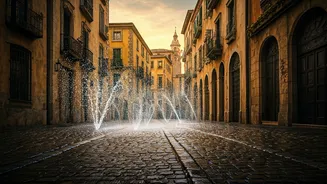
Iberian influence, and nowhere is it more visible than here. Winding cobblestone lanes are flanked by brightly colored villas with wrought-iron balconies, tiled roofs, and oyster-shell windows. Walking through Fontainhas feels like stepping into a different continent. It’s this beautifully preserved, slightly surreal backdrop that hosts one of India’s most unique and exuberant festivals: Sao Joao.
The Great Leap of Faith
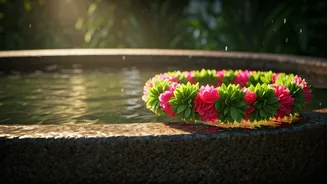
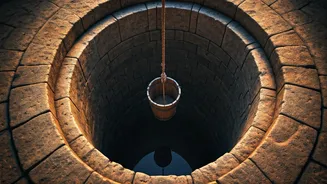
So, what is a “wet carnival”? The festival of Sao Joao, celebrated on June 24th, honors St. John the Baptist. According to Christian scripture, John the Baptist leaped with joy in his mother Elizabeth’s womb when the pregnant Mary came to visit. This single biblical moment inspired a Goan tradition that is both deeply spiritual and wildly fun. To commemorate that leap, revelers—mostly young men—jump into overflowing wells, ponds, and streams that have been swollen by the first monsoon rains. It’s a symbolic act of faith, purification, and pure, unadulterated joy. The shouts of “Viva Sao Joao!” echo through the lanes as each splash is met with cheers and song, turning a quiet religious story into a loud, communal spectacle.
A Feast for the Senses
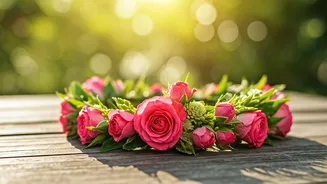
This is no solemn occasion. Sao Joao is a full-blown street party. Participants don elaborate “kopels”—crowns woven from fresh flowers, leaves, and seasonal fruits like jackfruit and mangoes. These colorful headpieces transform the streets into a moving garden. Parades of boats, decorated as creative floats, cruise down the rivers. The air is filled with the sound of traditional Goan music, particularly the beat of the ghumot, a local clay drum. And, of course, there’s the Feni. This potent, locally brewed liquor made from either cashew or coconut is the official fuel of the festival. Revelers share bottles of Feni and platters of fruit, inviting strangers and friends alike to join in the celebration. It’s a multisensory experience that combines the sacred with the celebratory, fueled by community spirit and a bit of potent drink.
More Than Just a Party
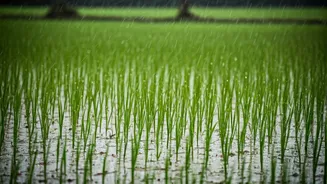
While the jumping and drinking get most of the attention, Sao Joao is fundamentally about community and nature. The festival marks the arrival of the monsoon, a life-giving season for an agricultural region. It’s a celebration of fertility, renewal, and togetherness. Traditionally, the festival was also a chance for new sons-in-law to be welcomed into their bride’s village, often being playfully tossed into a well by their new neighbors. Today, that spirit of inclusion remains. Though rooted in Catholic tradition, the festival is celebrated by Goans of all backgrounds. Tourists are not just spectators; they are often handed a kopel, offered a shot of Feni, and encouraged to join the rain-soaked dancing. It’s a powerful expression of Goa’s unique identity—a place where centuries of history haven't been put in a museum but are lived out loud in the streets.