


The End of the Document Drama
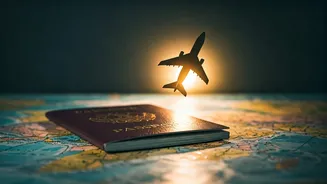
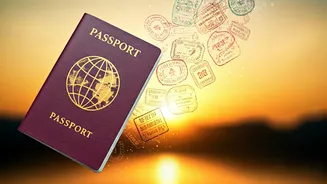
For decades, the dream of international travel for many middle-class Indians was tethered to a dreaded, bureaucratic ritual: the visa application. It was a process filled with paperwork, long waits, and the constant, nagging uncertainty of rejection.
A trip to Singapore or Dubai was a major undertaking. But a quiet revolution is underway, and its epicenter is visible in cities like Chennai, a major economic and travel hub in South India. The hurdles are coming down, and as they do, travel aspirations are soaring.
The Visa-Free Welcome Mat
The catalyst for this change is a strategic charm offensive from tourism-dependent nations. In a bid to capture a slice of India’s massive and burgeoning outbound travel market, countries across Southeast Asia and beyond are rolling out the red carpet. Thailand, Malaysia, and Sri Lanka have recently waived visa requirements for Indian citizens entirely, at least for temporary periods. Vietnam has simplified its e-visa process, and Kenya has also announced visa-free travel. For travelers, this is a game-changer. It transforms a multi-week, document-heavy ordeal into a decision as simple as booking a flight. The psychological barrier, often more formidable than the financial one, has been dismantled. Instead of asking, “Can I get a visa?” the question has become, “Where should I go next?”
From a Single Stamp to a Grand Tour
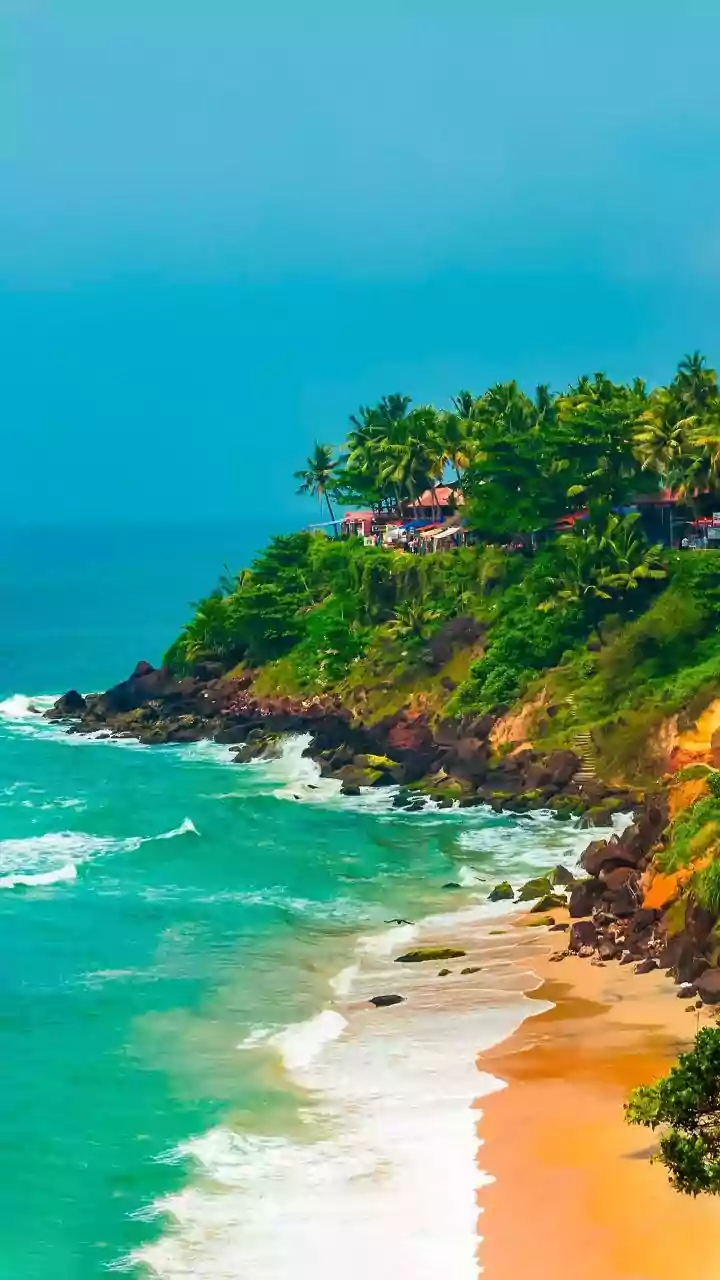
This newfound freedom is making Chennai’s travelers “dream bigger.” In the past, a typical international vacation might have been a four-day trip to a single, nearby destination. Now, travel agents in the city report a surge in more complex and ambitious itineraries. The thinking has shifted from singular destinations to regional tours. With no visa hassles, a family can now realistically plan a ten-day holiday that hops from the beaches of Thailand to the bustling streets of Kuala Lumpur in Malaysia. Travel planners note that inquiries for multi-country packages have skyrocketed. It’s no longer just about getting a stamp in the passport; it’s about curating a rich, multi-faceted experience. This also includes longer stays and larger groups, with multi-generational families embarking on vacations that were once considered prohibitively complex.
Courting the Indian Traveler
So, why the sudden generosity? It’s simple economics. The world has woken up to the power of the Indian tourist. With a rapidly growing middle class and increasing disposable income, India is projected to become one of the world's largest outbound travel markets. For countries whose economies lean heavily on tourism, this is a demographic they can't afford to ignore, especially in the wake of post-pandemic recovery efforts. Making travel seamless for Indians is a direct investment in their own economic revival. Every visa-free Indian tourist represents revenue for airlines, hotels, restaurants, and local attractions. By removing the friction of entry, these countries are betting that the sheer volume and spending power of Indian travelers will more than compensate for any lost visa fees.