

The Flavor Is the First Clue
Let’s start with a simple truth: a strawberry picked in June tastes profoundly different from one bought in January. That’s not nostalgia; it’s science. When produce is allowed to ripen naturally on the vine or in the ground and is picked at its absolute
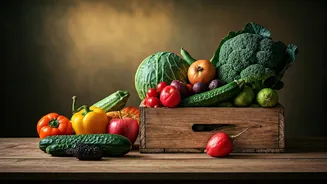
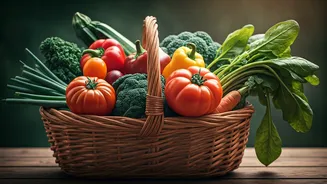
peak, its natural sugars are fully developed. This creates a depth and complexity of flavor that can’t be replicated. Off-season produce, by contrast, is often picked while still underripe to survive thousands of miles of travel. It’s then sometimes artificially ripened with ethylene gas, a process that helps it gain color but not the rich, nuanced flavor that comes from natural maturation. A summer tomato is soft, juicy, and bursting with umami and sweetness. A winter tomato is often mealy, watery, and disappointingly bland. Following the seasons is essentially a treasure map to the best-tasting food.
Your Plate and the Planet
The deliciousness of seasonal food is the reward, but the environmental benefits are the foundation. The concept of “food miles”—the distance your food travels from farm to plate—is a major factor here. When you buy asparagus in the fall, it’s likely been flown in from Peru or Mexico, burning significant amounts of jet fuel. That same asparagus grown locally in the spring might travel less than 50 miles. Beyond transport, growing produce out of season often requires energy-intensive greenhouses that need to be heated, cooled, and artificially lit. These climate-controlled environments consume massive amounts of power, contributing to a larger carbon footprint. By simply aligning your grocery list with the local climate, you drastically reduce the energy and resources required to get that food to your table. It’s a passive form of activism that begins in the produce aisle.
A Boost in Every Bite
Flavor isn’t the only thing that peaks with the season; nutrition does, too. The same natural ripening process that develops sugars also maximizes the plant’s vitamin and antioxidant content. A study from Montclair State University found that broccoli grown in-season had a significantly higher Vitamin C content than its out-of-season counterpart. That’s because nutrients begin to degrade the moment produce is harvested. The longer an apple or a bunch of spinach sits in transit and storage, the less nutritional value it retains when it finally reaches you. Food that is grown and consumed locally within its natural season spends far less time in logistical limbo, meaning it arrives on your plate fresher, tastier, and packed with more of the good stuff your body actually needs.
Three Easy Ways to Start
This doesn't require a complete lifestyle overhaul. The easiest first step is to visit a local farmers' market. Talk to the growers. Ask them what’s at its peak right now. They are the ultimate experts, and their enthusiasm is contagious. A second great option is to look into a Community Supported Agriculture (CSA) program. You pay a subscription to a local farm and, in return, get a weekly or bi-weekly box of whatever is being harvested. It's a fantastic way to discover new vegetables and cook in sync with the land. Finally, even at a standard grocery store, you can make a difference. Look for signs indicating “local produce.” Choosing a New York apple in the fall or a California orange in the winter is a simple, seasonal choice available in most conventional supermarkets.
A Cheat Sheet for the Seasons
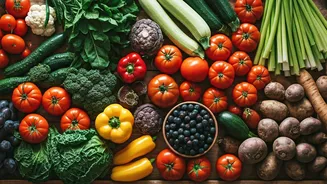
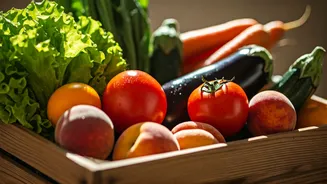
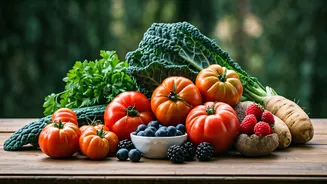
To get you started, think in four delicious acts. Spring is for tender, green things: asparagus, ramps, peas, rhubarb, and delicate lettuces. Summer is the blockbuster season of abundance: sun-ripened tomatoes, sweet corn, berries of all kinds, zucchini, and fragrant basil. Fall brings a shift to heartier, earthy flavors: crisp apples, a kaleidoscope of winter squash, sweet potatoes, Brussels sprouts, and kale that’s been sweetened by the first frost. Winter isn't a dead zone; it’s a time for robust root vegetables like carrots and parsnips, hearty greens, and a bounty of bright, zesty citrus from warmer states like Florida and California.