
The New Culinary Map of America
For decades, American regional food was a destination-based experience. You went to New Orleans for a proper po'boy, Buffalo for real wings, and Philadelphia for a non-negotiable cheesesteak. While national chains have long offered watered-down versions
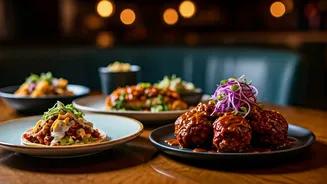
of regional hits, something different is happening now. Specific, authentic, and often highly pedigreed local specialties are popping up on menus thousands of miles from their origin. Think of the birria taco craze that exploded out of Los Angeles, its roots in Tijuana, Mexico. Suddenly, consommé-drenched tacos were the hottest item in Chicago, New York, and Austin. Likewise, Nashville hot chicken, once a fiery local secret, is now a standard offering at gastropubs from coast to coast. This isn’t about assimilation; it’s about proliferation. The country’s menu is becoming a dynamic, shared collection of our best local hits.
Instagram, TikTok, and the Viral Dish
So what’s fueling this culinary migration? Look no further than the phone in your hand. Social media platforms like Instagram and TikTok have become powerful engines for food trends, creating national demand for dishes that are visually compelling and easily understood. The bright red, cayenne-dusted crust of a hot chicken sandwich or the dramatic 'cheese pull' of a deep-dish pizza are tailor-made for a viral video. Birria tacos became a sensation in large part because of the Instagrammable 'dunk' into the rich, red consommé. A dish no longer needs decades to slowly build a reputation through word-of-mouth. A single, well-shot video can introduce a hyper-regional food to millions of potential customers overnight, creating a groundswell of demand that chefs and restaurateurs are eager to meet. If it looks good on camera, people will want to eat it, no matter where they live.
Chefs as Cultural Ambassadors
This trend isn't just happening on its own; it's being driven by people. As chefs and culinary professionals become more mobile, they act as ambassadors for their hometown flavors. A chef who grew up eating lobster rolls in Maine might open a New England-style seafood shack in Denver. A pitmaster from Texas might decide to bring authentic, slow-smoked brisket to the Pacific Northwest. This migration of talent is a key factor. These aren't just cooks following a trend; they are often artisans with a deep, personal connection to the food they’re making. They carry the stories, techniques, and cultural context of these dishes with them, ensuring that what arrives in a new city isn't just a copy, but a loving and faithful tribute to the original. This gives diners a taste of place, a story on a plate that feels more personal and authentic than a corporate menu item ever could.
The Authenticity Debate
Naturally, this phenomenon raises a classic question: is it 'authentic'? Can a chef in Seattle truly replicate a Philly cheesesteak without access to Amoroso’s rolls? Can Nashville hot chicken be the real deal if it’s not made in Nashville? The answer is complicated. Some purists will always argue that a dish loses its soul when removed from its terroir—the unique combination of local ingredients, water, and culture. However, a growing consensus suggests that authenticity is more about intent and execution than geography. Many chefs go to extraordinary lengths to source the correct ingredients and master the original techniques. Others are transparent about creating an ' homage' or a 'spin,' using the regional classic as a jumping-off point for something new. For the modern American diner, the joy isn’t necessarily in a perfect one-to-one replica, but in the access to new, exciting, and story-rich flavors, wherever you might find them.