




The Epicenter: Victoria and Albert Museum
Every great festival needs a home base, and for LDF, it’s the iconic Victoria and Albert (V&A) Museum in South Kensington. This isn't just a convenient meeting point; it’s a canvas. During the festival, the V&A’s historic halls and grand foyers are taken
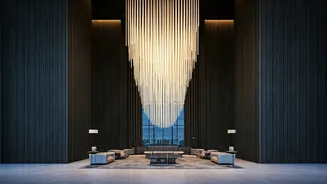
over by breathtaking, site-specific installations from leading international designers. Imagine a massive, swirling sculpture suspended in the atrium or an interactive light display transforming a centuries-old gallery. It’s here that the festival’s grandest statements are often made, blending cutting-edge concepts with timeless art history. Visiting the V&A during LDF is the perfect starting point, offering a curated dose of awe and a snapshot of the festival's overarching themes before you venture out into the city.
Hyper-Local Hubs: The Design Districts
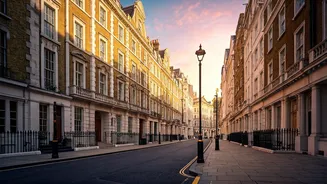
London’s strength is its network of distinct neighborhoods, and the festival leans into this by creating official Design Districts. Each has its own unique flavor. In the east, Shoreditch offers a gritty, industrial-cool vibe with a focus on emerging talent, independent studios, and innovative showrooms. Head central to Clerkenwell, long known as the city’s home for architectural and furniture brands, where high-end showrooms open their doors for special events and product launches. Other districts like Bankside, Mayfair, and the Brompton Design District each provide a different lens on the design world, from craft-focused workshops to luxury goods. Hopping between them is like a design-themed world tour in a single city, allowing you to discover new work and new corners of London at the same time.
Showstoppers: The Landmark Projects
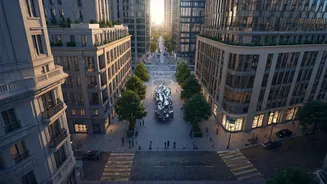
Beyond the museum halls and showrooms, the London Design Festival is famous for its Landmark Projects—ambitious, large-scale public installations that stop you in your tracks. These are the pieces you see all over Instagram, and for good reason. Often placed in high-traffic public spaces like Trafalgar Square or within the City of London, they are designed to challenge perceptions and engage the public directly. In past years, we’ve seen everything from giant chess sets made from recycled materials to immersive pavilions that play with light and sound. These projects serve as a powerful reminder that great design isn't just for galleries; it can transform our shared urban environment, spark conversation, and bring a moment of wonder to the daily commute.
The Brains of the Operation: Global Design Forum
It’s not all just about pretty objects. The intellectual heart of the festival is the Global Design Forum, a week-long program of talks, panels, and workshops featuring some of the biggest thinkers in the design world. Hosted at the V&A, these sessions dive deep into the industry's most pressing issues. Topics range from sustainable materials and circular economies to the ethics of artificial intelligence in creative fields and the future of urban living. This is where you go to understand the 'why' behind the 'what.' For any design nerd, it’s a chance to hear directly from visionaries and get a high-level briefing on the trends and ideas that will shape our world for years to come.
The Trade Secret: Design Fairs
While much of the festival is public-facing, a huge part of the action happens at the commercial design fairs. Events like London Design Fair and Design London are where industry professionals—interior designers, architects, buyers, and journalists—go to see the future. These massive exhibitions are where hundreds of brands, from established giants to independent makers, launch their new collections. It's a dizzying but essential experience for anyone in the business. Even for the casual observer, sneaking into one of these fairs (many have public-access days) offers an unfiltered look at the trends in color, texture, and form that will eventually trickle down into the stores and homes we all inhabit.