


Beyond Bare and Beige
For years, the word “minimalism” conjured images of stark white walls, concrete floors, and a general feeling of emptiness. It was a style defined by what it lacked. Warm minimalism, however, is defined by what it thoughtfully includes. It’s a philosophy
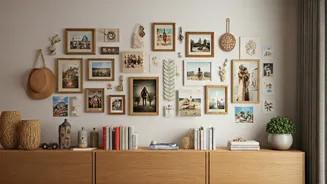
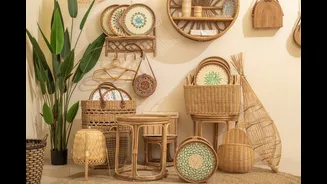
that champions simplicity and function, but layers them with texture, earthy colors, and personal history. This isn't about having less for the sake of it; it's about curating a space filled only with objects that are either beautiful, useful, or deeply meaningful. The result is a home that feels both uncluttered and deeply personal, a tranquil retreat from the chaos of the outside world. It swaps cold austerity for a quiet, lived-in comfort, proving that a space can be both clean and cozy.
A Return to Indian Roots
This trend’s explosion across India’s cities isn’t a coincidence. For a generation of urban Indians, it represents a conscious turning away from both the overly ornate, traditional interiors of the past and the generic, mass-produced aesthetics of global retailers. Instead, there's a powerful pull towards authenticity and heritage. Warm minimalism provides the perfect canvas. It allows for the integration of local materials that have been used for centuries—teak, terracotta, cane, and jute—within a modern, functional framework. It’s a design language that feels both globally current and uniquely Indian, celebrating the revival of indigenous crafts and a sustainable, 'local-first' mindset in a country undergoing rapid modernization. This is a quiet rebellion against the disposable, and a celebration of enduring quality and craftsmanship.
The Soulful Palette
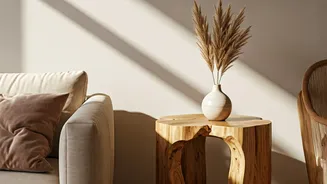
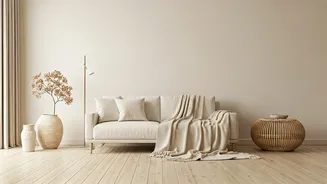
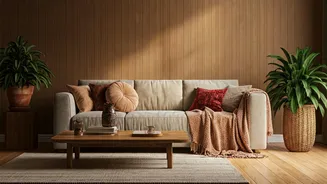
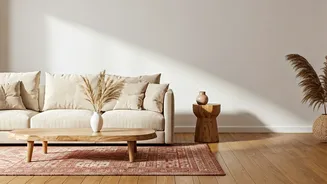
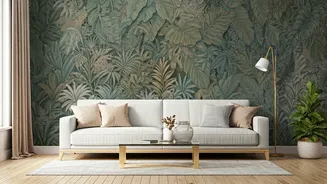
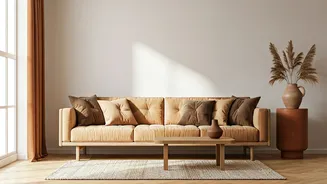
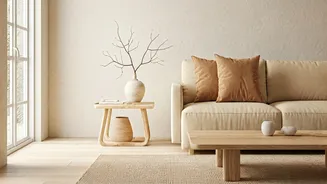
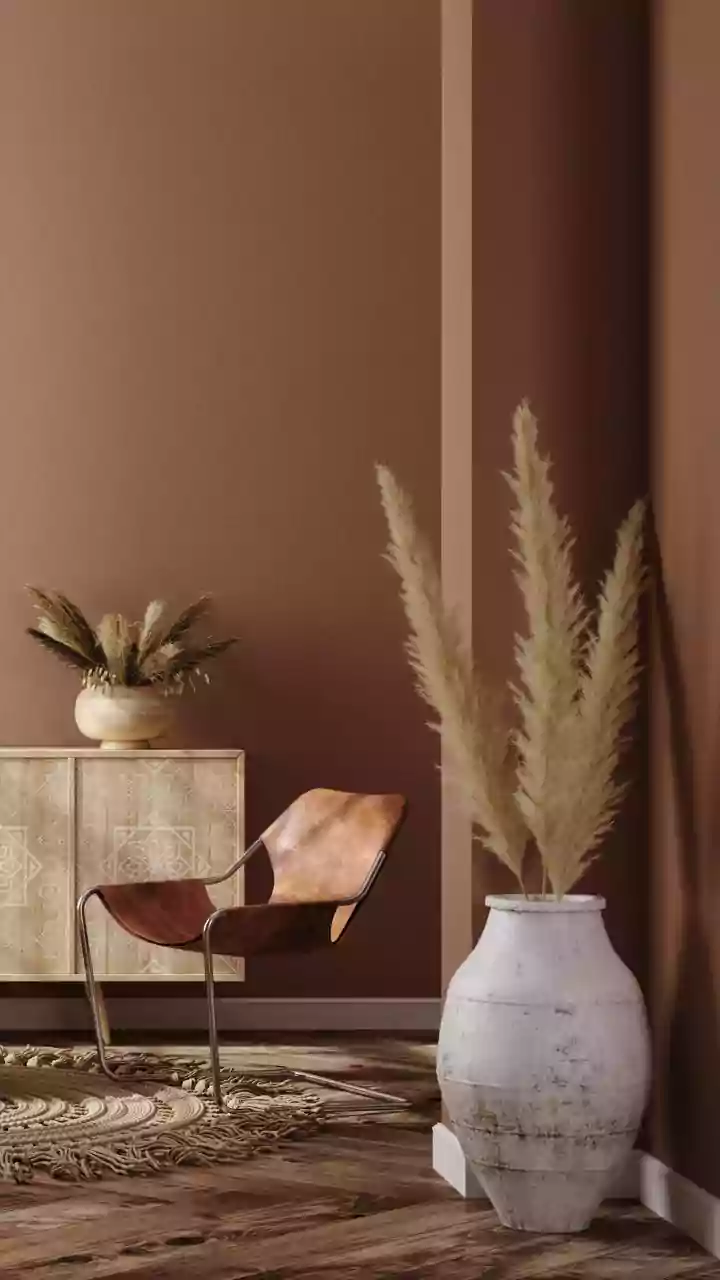
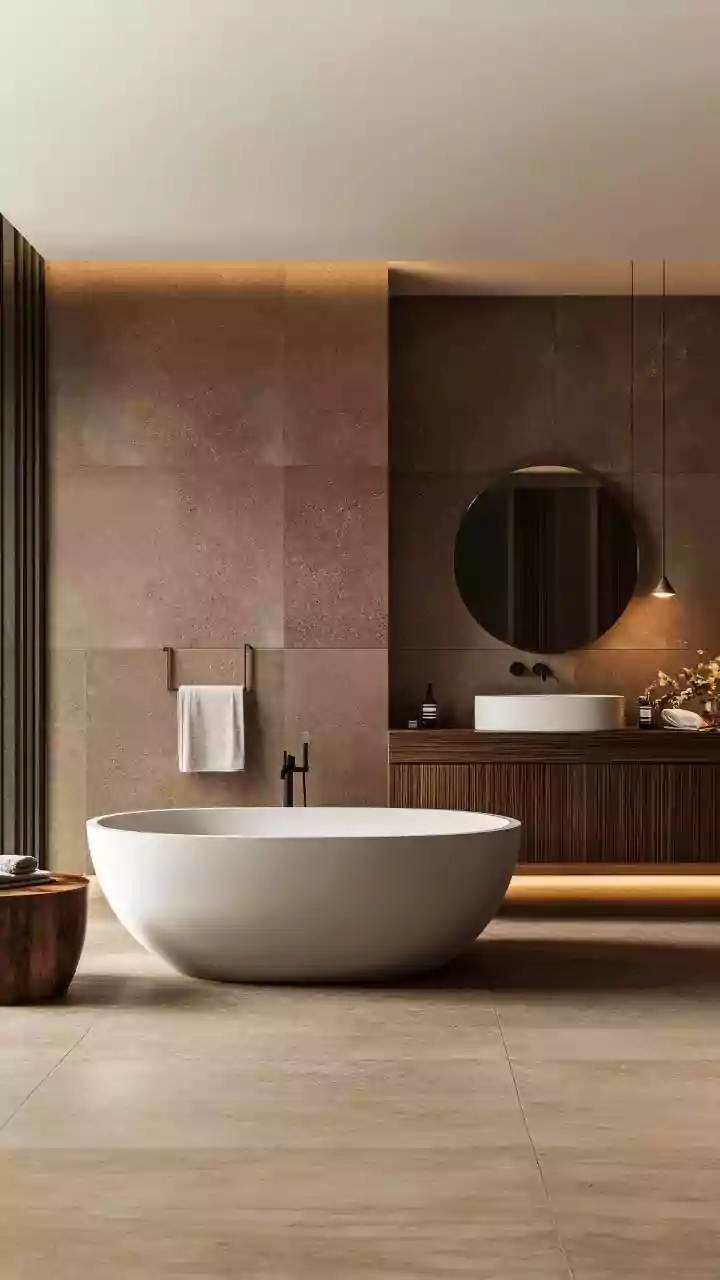
So what does warm minimalism actually look like? It’s all about a harmonious blend of natural elements. The color palette is drawn from the earth: warm whites, soft beiges, terracotta, ochre, sage green, and muted browns. These colors create a serene backdrop for the stars of the show: the materials. Think furniture made from richly grained teak or woven cane, floors of cool polished stone, and accents of brass or bronze that add a touch of understated glamour. Textiles are crucial for adding warmth and softness. Hand-loomed cotton, raw silk, and hand-block-printed fabrics appear in curtains, cushions, and throws. The decor is sparse but significant—a single, striking piece of contemporary art, a vintage brass pot inherited from a grandmother, or a handcrafted ceramic vase. Every item has room to breathe and tells a story.
More Than a 'Japandi' Mashup
At first glance, one might mistake this trend for Japandi, the popular fusion of Japanese and Scandinavian design. While they share a love for natural materials, neutral palettes, and uncluttered spaces, Indian warm minimalism has a distinct identity. Its soul lies in the specificity of its cultural references. Where Japandi is serene and impeccably balanced, the Indian interpretation often incorporates a touch more vibrancy and spiritual context. It might subtly integrate principles of Vastu Shastra, the ancient Indian science of architecture, to enhance energy flow. Moreover, it proudly showcases a rich tapestry of regional crafts—from Jaipur's block prints and Kashmir's intricate weaves to the woodwork of Kerala—that give each space a unique sense of place and history. It's less a prescribed style and more a personal philosophy rooted in a specific cultural landscape.