






From Akhadas to Air-Conditioned Gyms
For generations, the picture of fitness in India was rooted in tradition. Think of the pehlwans (wrestlers) training in dusty, earthen pits called akhadas, or the serene, spiritual practice of yoga passed down through families. These were disciplines
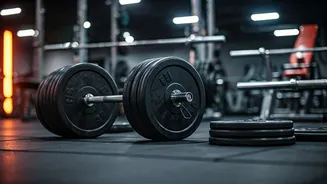
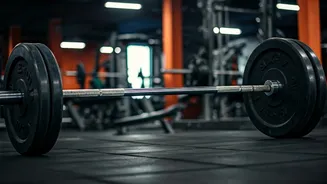
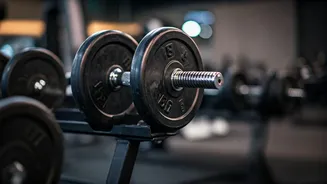
woven into the cultural fabric, often associated with specific communities or a more ascetic lifestyle. But that picture is becoming vintage. Today, the soundtrack of urban India’s fitness scene is more likely to be the thud of a barbell in a CrossFit box, the high-energy beat of a Zumba class, or the whir of treadmills in a gleaming, air-conditioned gym. While traditional practices still exist, they are now just one part of a much larger, more commercialized, and globally-influenced wellness industry. This isn't just an expansion; it's a fundamental reinvention of what it means to be 'fit' in modern India.
The Rise of an Aspirational Middle Class
So, what’s behind this dramatic shift? The simplest answer is money and exposure. As India’s economy has grown, so has its middle and upper-middle class. With disposable income comes new priorities. For many, a gym membership or a subscription to a boutique fitness studio has become a status symbol, much like a smartphone or a foreign car. It signals aspiration, modernity, and a commitment to self-improvement that aligns with a globalized worldview. This new generation of urban professionals, working desk jobs and living a more sedentary lifestyle than their parents, is also the first to widely confront lifestyle-related health issues like diabetes and heart disease. For them, fitness is not just a hobby; it’s a necessary investment in a longer, healthier life. It's both a corrective measure and a social statement.
The Instagram and Bollywood Effect
You can’t talk about modern Indian culture without talking about Bollywood and social media. Once, the ideal male physique in Indian cinema was lean, not overtly muscular. Today, superstars like Hrithik Roshan and Tiger Shroff showcase chiseled, six-pack abs, setting a new, highly demanding physical standard. Female actors, too, are increasingly posting their intense workout regimens on Instagram, from pilates to weightlifting. This constant stream of celebrity fitness content has a powerful influence. It demystifies the gym and makes rigorous training look glamorous and desirable. Fitness influencers, who document their own transformations and share workout tips with millions of followers, have created a powerful digital ecosystem that provides motivation, community, and a direct-to-consumer market for everything from protein supplements to athleisure wear.
Yoga's Modern Makeover
Ironically, as Western fitness formats like HIIT and spinning gain popularity, India's most famous cultural export—yoga—is being re-imported in a new, Westernized package. While traditional yoga was often a solitary, spiritual practice, modern Indian yoga studios feel a lot like their counterparts in Los Angeles or New York. They offer 'power yoga,' 'vinyasa flow,' and 'hot yoga' in chic, minimalist spaces. The focus is often less on spiritual enlightenment and more on physical benefits: flexibility, core strength, and a toned physique. This commercialized version of yoga appeals to the same urban crowd that flocks to CrossFit, blending a sense of cultural familiarity with the polish and structure of a modern fitness product. It's yoga, but repackaged for the wellness economy.
A Booming Wellness Economy
This cultural shift has ignited a massive and fast-growing market. Fitness-tech startups offering virtual classes and personalized coaching apps, like Cult.fit (formerly Cure.fit), have become unicorns valued at over a billion dollars. The market for nutritional supplements, once a niche product for bodybuilders, is exploding. Domestic and international athleisure brands are opening stores in every major city. This isn't just about people joining gyms; it’s the birth of a full-fledged wellness ecosystem that encompasses nutrition, apparel, technology, and mental health. The COVID-19 pandemic only accelerated this, boosting the at-home fitness market and making digital fitness platforms an essential part of the new normal.